Key Points
- The EU’s Tobacco Policy Expert Group formally concluded its mandate at the end of 2025, with successor arrangements yet to be clarified.
- The European Commission has confirmed that the evaluation of tobacco legislation is ongoing and that plans for a future revision remain on track.
- Pending new structures, coordination among Member States continues through existing channels, including the JA-SAFE mechanism.
2Firsts, January 22, 2026, Brussels —
The European Union’s tobacco and nicotine regulatory framework is entering a period of institutional transition, as a long-standing expert advisory body concludes its mandate while the European Commission continues evaluating future legislative changes.
A review of publicly available European Commission documents by 2Firsts shows that the Group of Experts on Tobacco Policy (E03150) held its final meeting on October 28, 2025, in Luxembourg. The meeting minutes, published on the Commission’s expert group register on January 5, 2026, confirm that it was the last session under the group’s current mandate.

Established in 2014 under Commission Decision C(2014) 3509, the expert group served as a formal forum for cooperation and information exchange between the Commission and Member States on tobacco control. Its remit included supporting the preparation and implementation of EU tobacco legislation, including delegated acts under the Tobacco Products Directive (TPD).
Although the group continues to appear as “active” in the Commission’s register, its legal basis expired at the end of 2025. According to the October meeting minutes, no further meetings were scheduled, and no successor expert group has so far been publicly announced.
Transition after the expert group
According to the meeting minutes, the Commission is exploring future structures for cooperation and information exchange with Member States following the conclusion of the expert group’s mandate. At the same time, engagement with national authorities on tobacco and nicotine control is continuing through existing, file-specific channels.
The approach points to an effort to preserve policy continuity while reassessing how technical coordination and consultation are organised at EU level, particularly as regulatory debates around novel tobacco and nicotine products continue to evolve.
TPD evaluation remains underway
The end of the expert group does not signal a pause in EU tobacco legislation. The October meeting minutes show that the Commission continues to carry out a comprehensive evaluation of both the Tobacco Products Directive (Directive 2014/40/EU) and the Tobacco Advertising Directive, with Member States encouraged to submit data, experience and feedback to inform the process.
Commission documentation further shows that the Commission intends to bring forward a revision of the legislative framework on tobacco control once the evaluation phase is completed. No formal proposal has yet been tabled, and no official timeline has been confirmed.
The ongoing work on tobacco regulation has been linked to broader public health initiatives. At the October meeting, the chair referred to the EU Cardiovascular Health Plan, highlighting the close relationship between tobacco use and cardiovascular disease prevention.
Cardiovascular Health Plan draws attention
As previously reported by 2Firsts in September 2025, the European Commission’s public consultation on the EU Cardiovascular Health Plan — a non-legislative Commission Communication led by DG SANTE — had already drawn attention from stakeholders concerned about how cardiovascular prevention narratives might influence future tobacco legislation.
Although the consultation documents do not explicitly mention nicotine, stakeholder submissions revealed a clear divide. Harm reduction advocates called for evidence-based, risk-proportionate regulation recognising the lower risks of non-combustible products, while restriction-focused organisations urged stricter controls, including flavour bans and the equal treatment of all nicotine products.
The plan, which the Commission had previously indicated was targeting adoption in late 2025, continues to be closely watched, as any references to prevention and unhealthy behaviours could later be cited in debates surrounding a future revision of the TPD.
Role of JA-SAFE and internal responsibilities
Alongside legislative evaluation, the Commission continues to advance implementation-focused initiatives. One such project is JA-SAFE — the Joint Action on Health Promotion and Disease Prevention, including Smoke- and Aerosol-Free Environments — which was presented to Member States at the October meeting.
JA-SAFE is designed to support the implementation of the Council Recommendation on smoke-free and aerosol-free environments, primarily through cooperation, pilot activities, data sharing and the dissemination of best practices. It functions as a complementary, execution-oriented framework rather than a policy-shaping or legislative body.
Within the Commission, responsibility for tobacco control remains assigned to Directorate C of the Directorate-General for Health and Food Safety (DG SANTE), in line with established internal governance arrangements. The allocation reflects administrative organisation rather than a shift in policy direction.
A period of adjustment
Taken together, the publicly available documents suggest that EU tobacco and nicotine policy is entering a transitional phase. The conclusion of the expert group closes a formal chapter in Member State coordination, while evaluation work and preparatory steps for possible legislative revision continue within the Commission.
How future cooperation structures will be designed — and how they will interact with broader public health strategies such as the Cardiovascular Health Plan — remains to be seen. What is clear is that the regulatory debate over tobacco harm reduction, novel products and risk-differentiated policy is far from settled.
For further updates on European tobacco and nicotine regulatory developments, stay tuned to 2Firsts’ ongoing coverage.
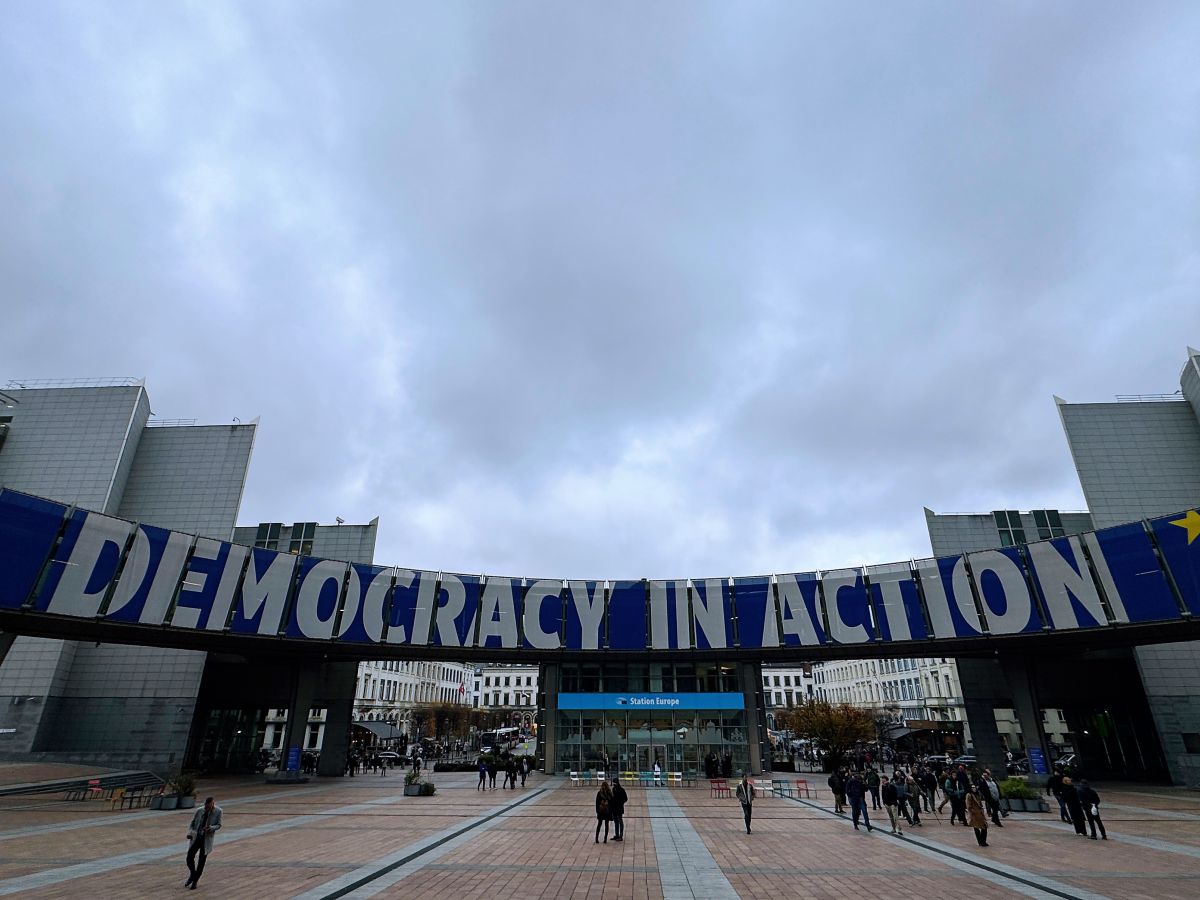
Cover image:The European Quarter in Brussels.| Source: Photo by 2Firsts
Further reading: