Experts are divided over whether efforts to keep Juul products off the market will put a dent in the youth vaping epidemic.
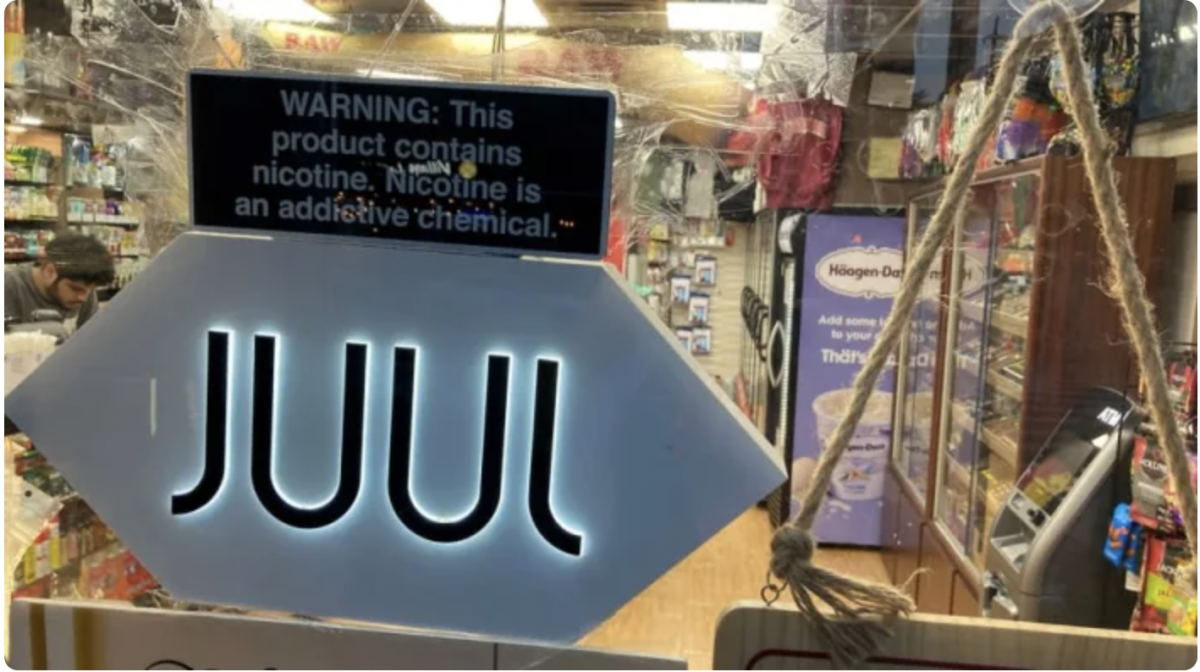
The Food and Drug Administration made international headlines late last month when it stripped vaping giant Juul’s products from the e-cigarette market, drawing praise from anti-tobacco advocates and lawmakers. The agency said Juul did not prove that keeping its products on the market “would be appropriate for the protection of the public health.”
But less than two weeks later, FDA backpedaled after Juul sued. The agency said it will temporarily allow Juul products to stay on the market while it gives the company’s application a second look.
FDA cautioned that the additional review should not be misconstrued as overturning its original decision, and that Juul devices could still end up being banned. But even if that were to occur, it’s not clear that there will be a major impact on youth vaping.
In a statement to The Hill, Juul’s chief regulatory officer Joe Murillo said the company clearly meets FDA’s standard of being “appropriate for the protection of the public health.”
“We remain confident in the quality and substance of our applications,” Murillo said.
Juul has been heavily criticized for targeting teens since its first product hit the shelves in 2015.
Juul’s vapes resembled a USB drive, and the company originally marketed fruity flavors like mango that its founders said were aimed at helping people quit smoking combustible cigarettes.
But those flavors were widely blamed for hooking teenagers and young kids onto vaping.
Juul has since pulled all flavors off shelves except for tobacco and menthol, and suspended its marketing campaign. The company argues the vaping landscape is much different now and Juul products are no longer a danger to public health.
Other vaping products are now even more popular than Juul, including disposable e-cigarettes manufactured by Puff Bar and Vuse.
If Juul were pulled off the market, it’s unclear how much of a dent it would make now in stemming the tide of underage smokers. According to the National Youth Tobacco Survey, 26 percent of high school kids said that their usual brand was Puff Bar, and about 11 percent of kids used Vuse.
Fewer than 6 percent of current high school-age youth said they prefer Juul.
Clifford Douglas, the director of the University of Michigan’s Tobacco Research Network and a professor at the University’s School of Public Health, said Juul should not be cast as the “poster child of evil” for the youth vaping epidemic.
“Clearly Juul played a significant role, most visibly in 2018, in fueling an increase in youth experimentation with vaping products. By the same token … in the years since then, partly under duress from the FDA, they significantly changed their conduct,” Douglas said.
Parents Against Vaping E-cigarettes (PAVE), however, said JUUL “created” the epidemic by marketing toward children and that removing it from the market would send a strong message to the industry. It also criticized the company for ignoring evidence that its menthol products are popular with young people.
“Kids are using your menthol products. If you really didn’t want youth users, based on your own public statement and logic, it would have been removed,” said Meredith Berkman, a co-founder of the organization. “Their predatory behavior essentially continues.”
Juul introduced its sleek, disposable vape in 2015 as an alternative to the clunky, traditional e-cigarettes that required users to fill tanks of “e-liquid.” By the end of 2017, it was the hottest e-cigarette on the market.
The U.S. Surgeon General in 2018 warned youth vaping had become an “epidemic” after finding more than 20 percent of all high-schoolers reported vaping that year, a 78 percent increase from 2017.
Under pressure from FDA and Congress, Juul pulled its fruity flavors off the shelves the same year. Currently, only menthol and tobacco flavored pods from JUUL remain in stores. The company, which at its peak was worth $38 billion, is now only worth about $1.6 billion.
In 2019, Congress found JUUL “deployed a sophisticated program” that targeted children in schools and summer camps. The company was also accused of targeting youth in advertisements and commercials.
FDA spent two years reviewing Juul’s request to sell tobacco and menthol flavored e-cigarettes. While advocates praised the move, the agency’s sudden reversal raised questions.
Robin Koval, the CEO and president of anti-tobacco organization The Truth Initiative, said keeping Juul on the market sent “mixed signals over its bold decision to deny JUUL’s marketing authorization.”
“We are exactly where we were nearly a year ago with millions of teens at risk for a lifetime of nicotine addiction and FDA having failed to take action on products that make up the majority of the e-cigarette market,” Koval said in a statement. “What looked like progress just a couple of weeks ago now appears to have been a mirage in the summer sun and a failure for our nation’s youth and public health.”
Douglas, the director of the Tobacco Research Network, told The Hill the FDA’s decision to suspend its marketing denial order was “mystifying.”
“The fact they had to retrench and return to the drawing board — almost immediately — suggests a real gaffe on their part and raises more questions than it answers,” he said.
The FDA said it would not comment on pending litigation.
In response to a question about how it would review applications from other companies, including Vuse and Puff Bar, the federal agency said it assesses each application individually and that all manufacturers must show new products are “appropriate for the protection of the public health.”
“That standard requires us to consider the risks and benefits to the population as a whole,” the statement read.
As the legal fight continues, experts are divided over whether the youth vaping epidemic has gotten worse or improved. According to the latest FDA data, around 11 percent of high-school students and around three percent of middle-school students reported vaping in 2021.
That’s a drop from 2020, when FDA found 3.6 million youth e-cigarettes users, with 26.5 percent of high-schoolers using the products.
The agency cautioned against comparisons to previous years, because the survey was conducted last year during a peak wave of the pandemic.
Still, health officials said the survey offers an important snapshot of youth vaping trends in the country.
Nathaniel Weixel contributed.
The content excerpted or reproduced in this article comes from a third-party, and the copyright belongs to the original media and author. If any infringement is found, please contact us to delete it. Any entity or individual wishing to forward the information, please contact the author and refrain from forwarding directly from here.