Key Takeaways
- FDA announced the launch of Elsa 4.0 on May 6.
- FDA consolidated more than 40 application and submission data sources, systems and portals into HALO.
- HALO stands for Harmonized AI & Lifecycle Operations for Data.
- Elsa 4.0 adds custom agents, document generation, data analysis and visualization, secure web search, voice-to-text and OCR.
- FDA said Elsa is built in a FedRAMP High secure Google Cloud Platform environment and does not train on input data or data submitted by regulated industry.
2Firsts, May 7, 2026
According to the U.S. Food and Drug Administration, the agency announced major steps in its modernization initiative by launching Elsa 4.0 and consolidating multiple data sources, systems and portals.
FDA consolidated more than 40 data sources into HALO
FDA said Elsa 4.0 is a major upgrade to the agency’s internal AI tool and is available to all FDA staff, including scientific reviewers and investigators.
The agency also consolidated more than 40 disparate application and submission data sources, systems and portals across all FDA centers into a new platform called HALO, which stands for Harmonized AI & Lifecycle Operations for Data.
Elsa and HALO integration has begun
FDA said it has begun integrating HALO and Elsa so that staff can query data and build workflows without manually uploading documents within each chat.
The agency said the HALO consolidation is expected to enable deeper deployment of AI capabilities within agency operations.
FDA commissioner said AI tools can reduce staff burden
FDA Commissioner Marty Makary said Elsa’s new capabilities position the agency as a leader in deploying AI tools that empower staff. He said removing tedious burdens allows staff to focus more on science and makes workflows more efficient and enjoyable.
Chief AI officer said Elsa will become the main entry point to FDA systems and data
FDA Chief AI Officer Jeremy Walsh said that with application and submission data sources, systems and portals consolidated into HALO and improvements in Elsa’s capabilities, Elsa will soon become the main entry point into FDA systems and data.
He said FDA staff previously brought data to Elsa, while Elsa now sits on top of the agency’s data.
Elsa 1.0 was launched in June 2025
FDA said that since launching Elsa 1.0 in June 2025 ahead of schedule and under budget, the agency’s Office of Digital Transformation has continued to roll out improvements and pioneer new use cases with agency reviewers to help streamline operations.
Elsa 4.0 adds multiple features
According to FDA, new Elsa 4.0 features include custom agents, document generation, quantitative data analysis and visualization, including chart and graph creation, web search through a secure web access feature, voice-to-text dictation, conversion of scanned documents and images into searchable text through OCR, enhanced chat flexibility, and optimized search for key information in large document repositories.
FDA said Elsa does not train on input data
FDA said Elsa is built within a FedRAMP High secure Google Cloud Platform environment and does not train on input data or any data submitted by regulated industry, safeguarding sensitive research and data handled by FDA staff.
FDA said Elsa is not connected to the internet
The agency said Elsa’s enhanced search capability allows it to access refreshed secure web data in responses, but it is not connected to the internet.
FDA said staff are involved at every stage of the AI work process in Elsa, so that human subject matter experts verify all inputs, analytic processes and output implementation.
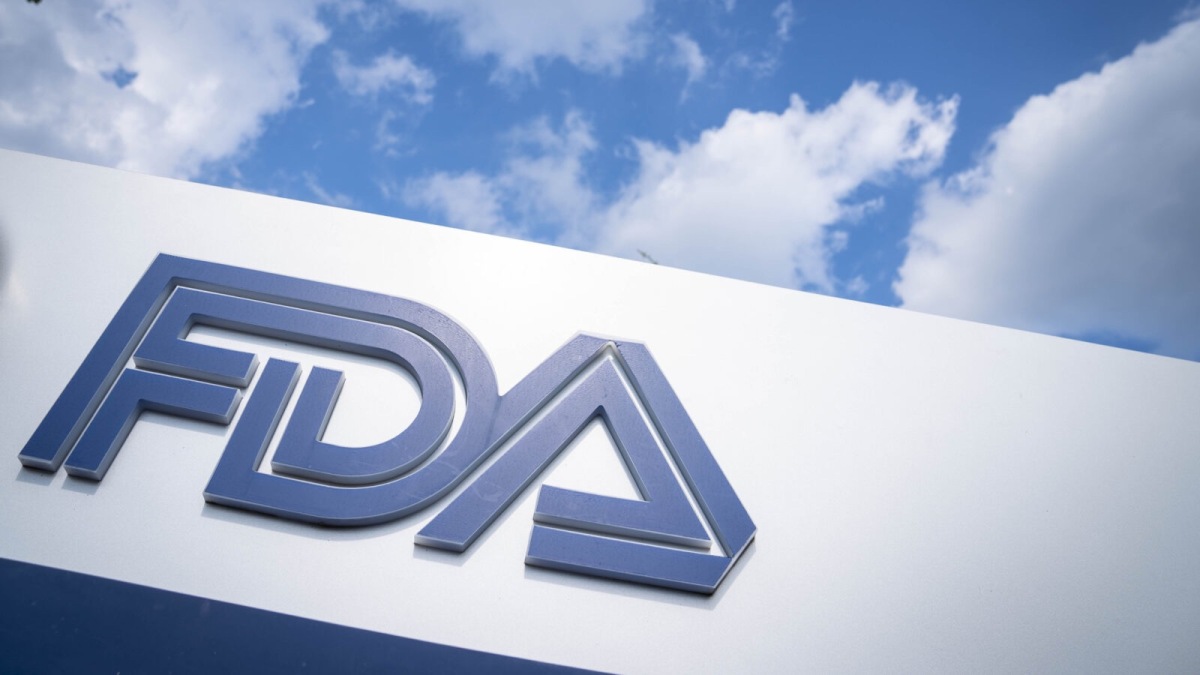
Image source: FDA
We welcome news tips, article submissions, interview requests, or comments on this piece.
Please contact us at info@2firsts.com, or reach out to Alan Zhao, CEO of 2Firsts, on LinkedIn
Notice
1. This article is intended solely for professional research purposes related to industry, technology, and policy. Any references to brands or products are made purely for objective description and do not constitute any form of endorsement, recommendation, or promotion by 2Firsts.
2. The use of nicotine-containing products — including, but not limited to, cigarettes, e-cigarettes, nicotine pouchand heated tobacco products — carries significant health risks. Users are responsible for complying with all applicable laws and regulations in their respective jurisdictions.
3. This article is not intended to serve as the basis for any investment decisions or financial advice. 2Firsts assumes no direct or indirect liability for any inaccuracies or errors in the content.
4. Access to this article is strictly prohibited for individuals below the legal age in their jurisdiction.
Copyright
This article is either an original work created by 2Firsts or a reproduction from third-party sources with proper attribution. All copyrights and usage rights belong to 2Firsts or the original content provider. Unauthorized reproduction, distribution, or any other form of unauthorized use by any individual or organization is strictly prohibited. Violators will be held legally accountable.
For copyright-related inquiries, please contact: info@2firsts.com
AI Assistance Disclaimer
This article may have been enhanced using AI tools to improve translation and editorial efficiency. However, due to technical limitations, inaccuracies may occur. Readers are encouraged to refer to the cited sources for the most accurate information.
We welcome any corrections or feedback. Please contact us at: info@2firsts.com