FDA PMTA Roundtable: Ongoing Comprehensive Coverage by 2Firsts

Feb.11
FDA PMTA Roundtable: Ongoing Comprehensive Coverage by 2Firsts

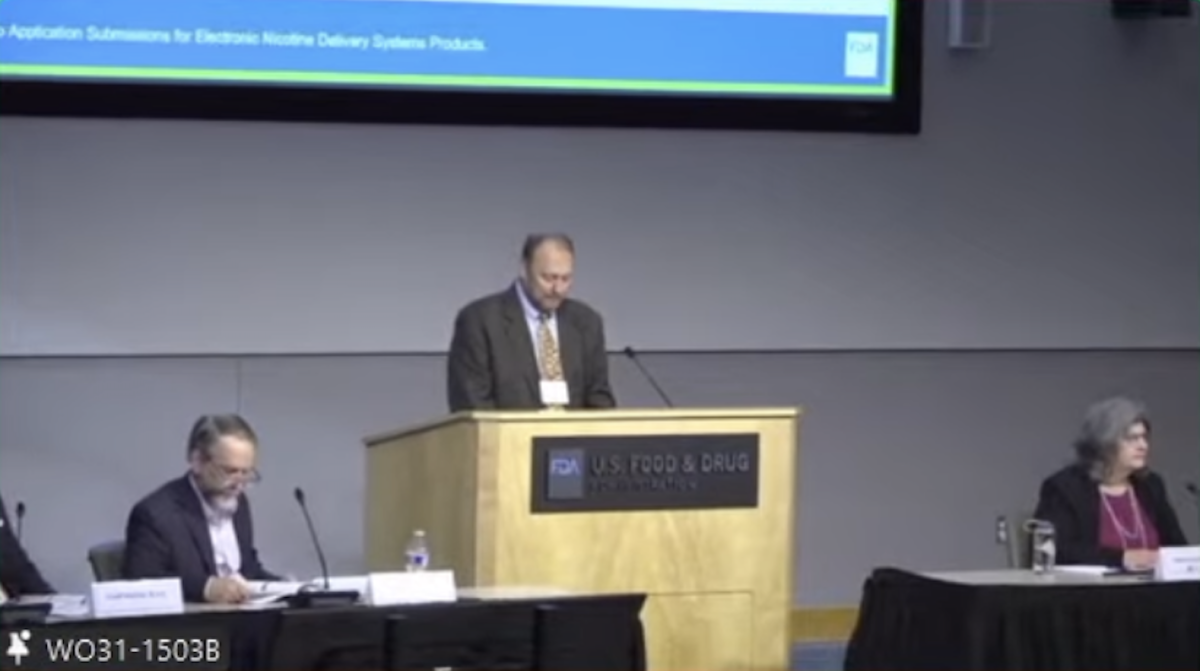
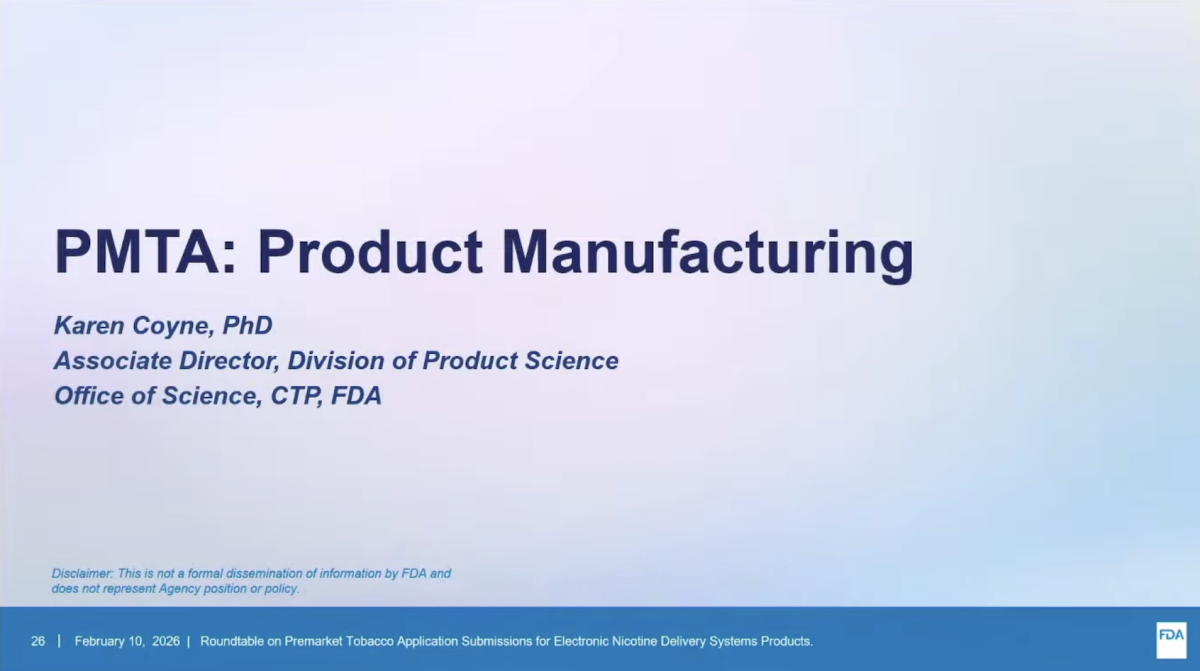
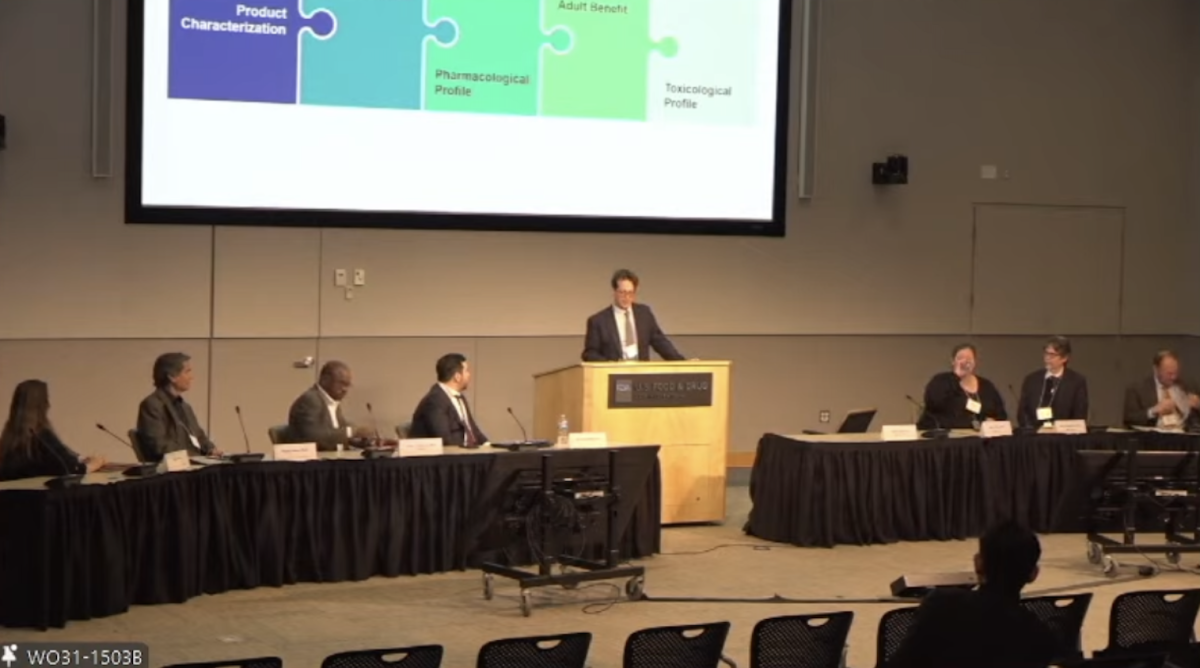
On February 10, 2026, the U.S. Food and Drug Administration (FDA) convened a multi-session roundtable on Premarket Tobacco Applications (PMTAs) for electronic nicotine delivery systems (ENDS), bringing together senior agency officials and industry representatives to discuss scientific standards and regulatory expectations under the “Appropriate for the Protection of Public Health” (APPH) framework.


The discussions spanned product characterization, manufacturing controls, pharmacological assessment, studies of adult benefit, and toxicological review—offering rare public visibility into the agency’s current evaluation approach.


As of February 11, 2026 (Beijing Time), 2Firsts has published eight in-depth reports covering each panel session and key regulatory signals from the meeting. Together, these reports provide one of the most systematic and timely documentations of the event, examining scientific methodologies, review frameworks, and industry responses.


2Firsts will continue to follow developments related to FDA PMTA policy and review practice. Readers are invited to follow ongoing updates on the 2Firsts website and across our social media channels.


For professional inquiries or further discussion, readers are welcome to contact 2Firsts CEO Alan Zhao at alan@2firsts.com.


Below is the complete collection of our coverage to date.


Panel I: Product Characterization
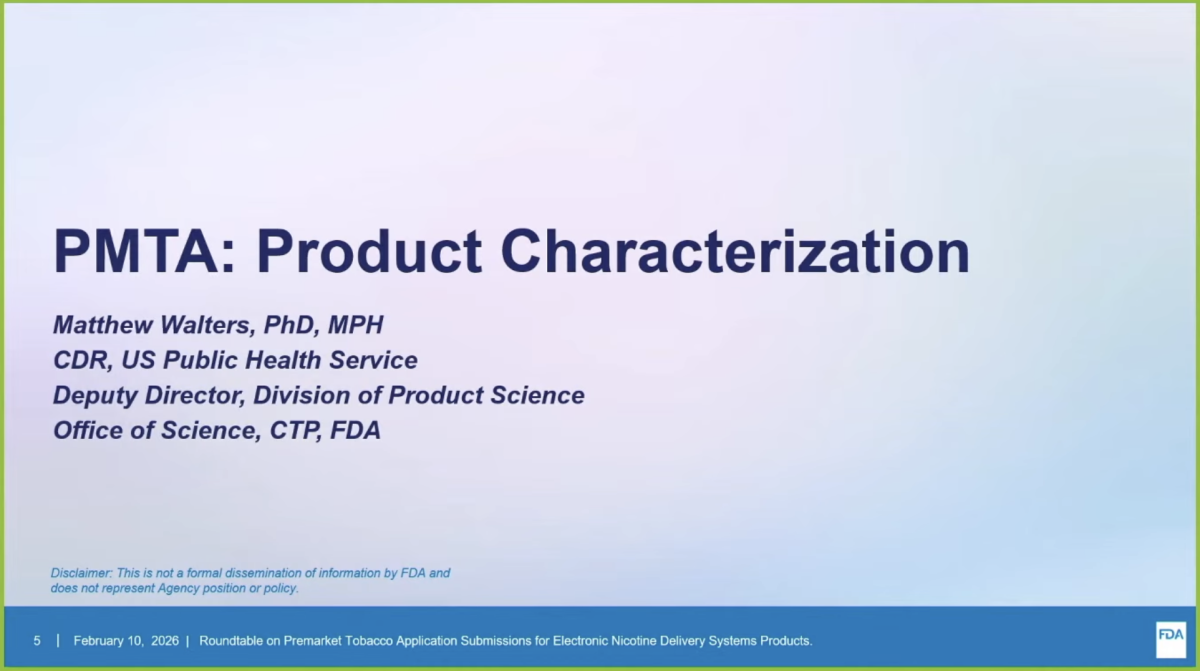
 

2FIRSTS | FDA Highlights Product Characterization as a Foundational Requirement in ENDS PMTA Reviews
During its ongoing PMTA roundtable, FDA emphasized that product characterization is a foundational element in the review of electronic nicotine delivery systems (ENDS). The agency underscored the need for complete product identifying information, validation and verification of test methods on the specific product type, and the appropriate use of tobacco product master files (TPMFs) to support complex or proprietary ingredients in PMTA submissions.
www.2firsts.com


2FIRSTS | PMTA Roundtable Opens with Industry Questioning Product Characterization Standards, FDA Defends Regulatory Boundaries
At the opening of FDA’s PMTA roundtable, small ENDS manufacturers warned that unclear product characterization standards are limiting their ability to invest and raise capital. FDA officials acknowledged industry concerns but said regulatory flexibility is constrained by statutory and procedural boundaries.
www.2firsts.com


Panel II: Manufacturing Controls


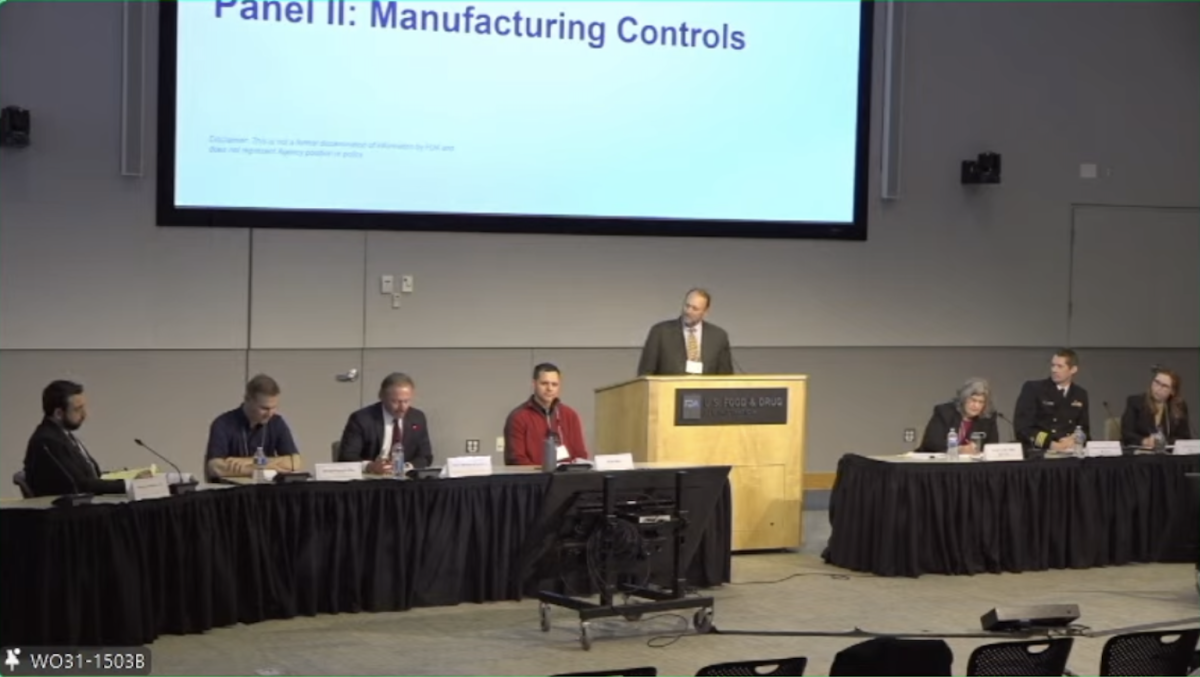
2FIRSTS | FDA Outlines Manufacturing Requirements as Critical to ENDS PMTA Success
FDA officials said manufacturing consistency is a core prerequisite for ENDS PMTA reviews, not a procedural formality. During its February 10, 2026 roundtable, the agency outlined expectations for quality management systems, manufacturing documentation, nicotine control, stability studies, and risk mitigation, emphasizing that robust manufacturing evidence underpins determinations of whether products are appropriate for the protection of public health.
www.2firsts.com


2FIRSTS | PMTA Manufacturing Panel Sees Small Firms Warn “Unknown Is Death” as FDA Defends Review Boundaries
During FDA’s Feb 10 PMTA roundtable (manufacturing controls panel), small ENDS manufacturers warned that uncertainty in manufacturing expectations creates existential financial risk. FDA officials reiterated review flexibility is constrained by statutory and scientific boundaries. The panel debated testing standards, documentation requirements, open-system responsibility, supply chain changes, and software updates—highlighting unresolved PMTA challenges for small manufacturers.
www.2firsts.com


Panel III: Pharmacological Profile


2FIRSTS | Small ENDS Manufacturers Press FDA on Abuse Liability Standards as Agency Defines Pharmacological Review Framework
At the third session of its PMTA roundtable, the FDA outlined its framework for assessing abuse liability in ENDS products, emphasizing the role of nicotine pharmacokinetics and product-specific data in APPH determinations. Small manufacturers questioned the high cost of clinical PK studies and the absence of defined numeric thresholds, while raising bridging strategies and PBPK modeling as potential alternatives.
www.2firsts.com


Panel IV: Studies of Adult Benefit


2FIRSTS | FDA Says Flavored ENDS Must Show “Added Benefit” as Small Manufacturers Seek Clearer Switching Benchmarks
During the FDA PMTA roundtable session on “Studies of Adult Benefit,” officials said flavored ENDS must demonstrate “added benefit” over tobacco-flavored products under the APPH standard, including sustained complete switching evidence. Small manufacturers questioned switching benchmarks, study duration, and bridging expectations.
www.2firsts.com


Panel V: Toxicological Profile


2FIRSTS | FDA Details Carcinogenicity Tiering and ELCR Framework as Small Manufacturers Press for Predictability
During the “Toxicological Profile” session at FDA’s Feb 10 PMTA roundtable, officials outlined the carcinogenicity tiering system and Excess Lifetime Cancer Risk (ELCR) framework used in ENDS reviews under the APPH standard. Small manufacturers questioned database transparency, exposure assumptions, and the existence of clear compliance benchmarks. FDA reiterated toxicological risk is assessed case by case within a broader population-level determination.
www.2firsts.com


Summary, Closing Comments & Adjournment
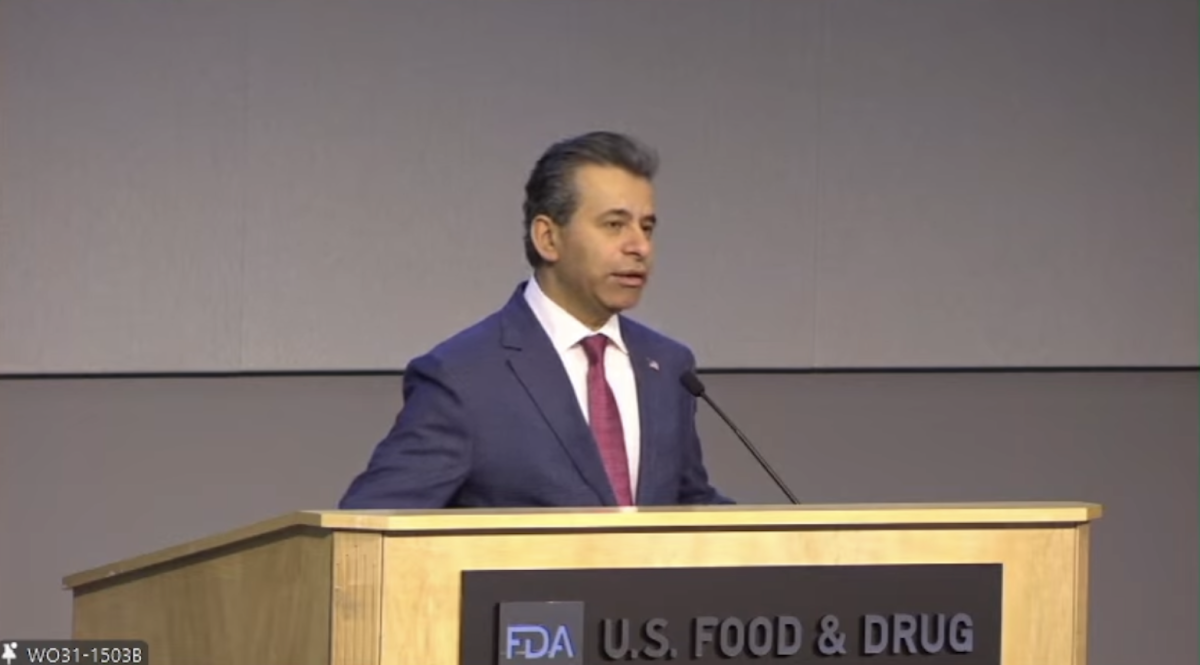
 

2FIRSTS | FDA Commissioner Stresses “Predictability” as Science Chief Addresses Industry Uncertainty
FDA Commissioner Marty Makary briefly appeared at the February 10 PMTA roundtable, underscoring the importance of regulatory predictability. At the close of the session, Office of Science Director Matthew Farrelly responded to industry concerns over review uncertainty, stating the agency will issue a written summary of feedback, while reiterating that no fixed quantitative risk benchmark governs authorization decisions.
www.2firsts.com


Disclaimer

This article is provided solely for professional research, industry discussion, and informational purposes. Any references to brands, companies, products, technologies, or policies are made for factual reporting and analytical purposes only, and do not constitute endorsement, recommendation, promotion, or advertising by 2Firsts.

Nicotine-containing products, including but not limited to cigarettes, e-cigarettes, heated tobacco products, and nicotine pouches, carry significant health risks. Readers are responsible for complying with all applicable laws and regulations in their respective jurisdictions, including age restrictions and access limitations.

The information contained in this article should not be regarded as investment, legal, medical, regulatory, or commercial advice. While 2Firsts strives to ensure the accuracy and reliability of its content, it does not assume liability for any direct or indirect loss arising from errors, omissions, inaccuracies, or reliance on the information contained herein.

This article is not intended for individuals below the legal age for accessing tobacco or nicotine-related information in their jurisdiction.


Copyright Notice

This article is either original content produced by 2Firsts or content reproduced, translated, summarized, or adapted from third-party sources with attribution where applicable. The intellectual property rights of the original content remain with 2Firsts or the respective original rights holders.

No individual or organization may copy, reproduce, distribute, republish, modify, translate, or otherwise use this content without prior authorization. Any unauthorized use may result in legal action.

For copyright-related inquiries, corrections, or removal requests, please contact: info@2firsts.com.


AI-Assisted Translation and Editing Notice

Portions of this article may have been translated, edited, or reviewed with the assistance of artificial intelligence tools to improve efficiency and readability. Due to the limitations of AI-assisted translation and editing, discrepancies, omissions, or inaccuracies may exist when compared with the original source.

Where applicable, readers are advised to refer to the original source for the most complete and accurate information. If you identify any errors or believe that any content infringes upon your rights, please contact us at info@2firsts.com, and we will review and address the matter promptly.


Malaysia’s Vape Rules Face Review as Health Minister Dzulkefly Ahmad Addresses Dropped Nicotine Appeal
According to Free Malaysia Today on August 26, 2026, Malaysia’s Health Minister Dzulkefly Ahmad said the Health Ministry would explain the government’s decision to withdraw its appeal against a High Court ruling involving the exemption of liquid nicotine used in vape products from the Poisons List. The High Court previously ruled that the exemption decision was irrational. Dzulkefly said withdrawing the appeal did not mean the government would stop regulating vaping, and that future regulatory approaches would continue under existing legal frameworks.
Aug.28
PMI Expands U.S. ZYN Portfolio With New 1.5 mg and 8 mg Strengths, Moves Toward a Unified 20-Pouch-Per-Can Format
Philip Morris International is expanding its U.S. ZYN nicotine pouch portfolio with new 1.5 mg and 8 mg strengths and plans to move its core 3 mg and 6 mg dry-pouch products from 15 to 20 pouches per can in the fourth quarter of 2026. ZYN ULTRA is also commercially available, with FDA authorization covering 10 products at 9 mg and one 11 mg Smooth product. PMI U.S. lists the new 1.5 mg and 8 mg strengths as commercially available, but as of September 10 they do not appear on the FDA’s public authorization list. Public materials do not identify which PMTA submissions cover the two new strengths or their current review status.
Sep.11
China STMA Deputy Administrator Meets KT&G COO as Heated Cigarette Rules Advance
Wang Gongcheng, deputy administrator of China’s State Tobacco Monopoly Administration, met KT&G Chief Operating Officer Lee Sang-hak in Shanghai on September 1, according to Oriental Tobacco News. The meeting comes as China seeks public comment on a draft mandatory national standard for heated cigarettes. The report did not disclose the subjects discussed or indicate whether heated tobacco products or market access were addressed.
News
Sep.02
Australia’s One Nation Proposes 75% Tobacco Tax Cut, Says Lower Prices Could Hit Illicit Market
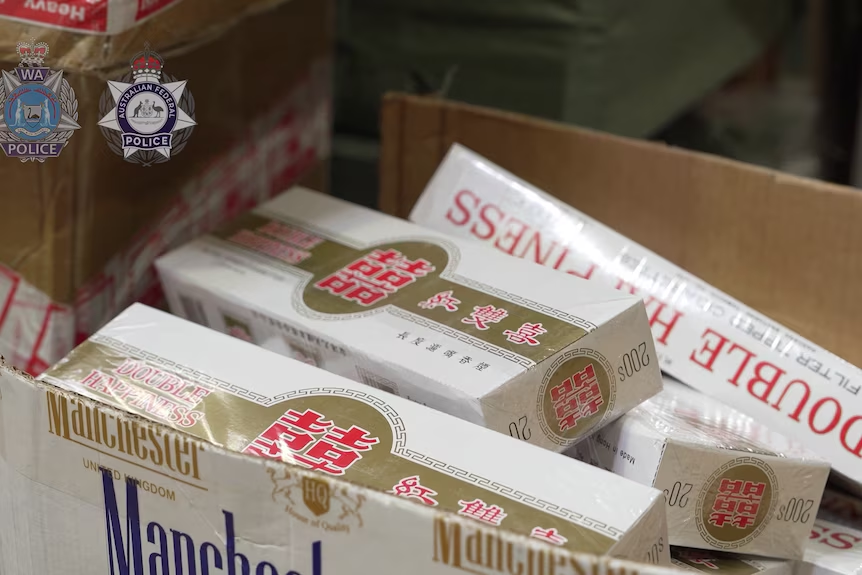
Australia’s One Nation party has proposed cutting tobacco excise by 75%, arguing that lower legal cigarette prices could narrow the gap with illicit tobacco and reduce demand for black-market products. The proposal comes as Australia continues expanding enforcement against illicit tobacco supply chains through border controls, retail inspections and organised-crime investigations. Supporters argue high taxes have contributed to illicit-market growth, while opponents warn that lower tobacco prices could undermine public-health goals. The proposal is a party policy position and has not been adopted by the Australian government.
Aug.18
As Regulators Focus on Nicotine Pouch Child Safety, Safeguard Pursues an External Packaging Route
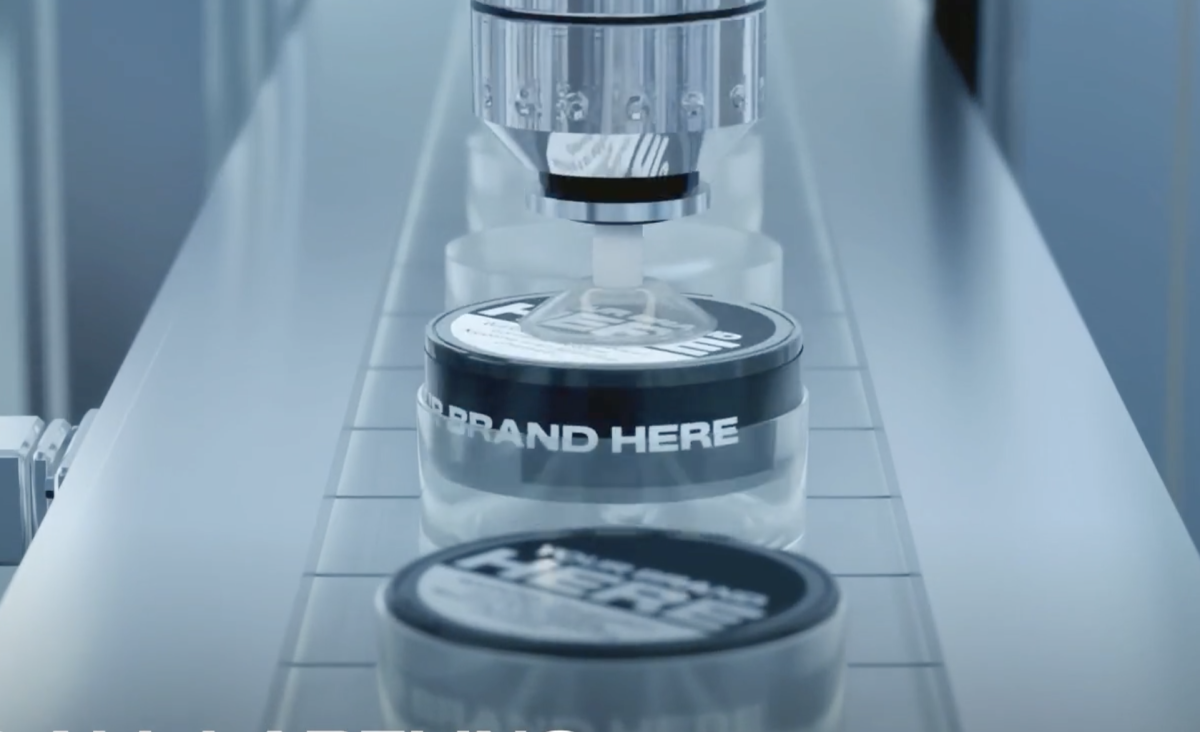
As regulators pay closer attention to child safety in nicotine pouches, manufacturers face a practical challenge: how to strengthen child-resistant packaging without unnecessarily reworking products, production lines and regulatory submissions already in place. In a written interview with 2Firsts, Chemular detailed Safeguard’s external packaging approach, its customer-specific testing requirements and possible PMTA pathways. The model remains early-stage, but it offers a new way to think about an increasingly important regulatory and manufacturing issue.
Industry Insight
Sep.19
STIIIZY Redesign Fails to Escape PAX Labs Patent Import Ban as Section 337 Case Also Involves China ALD
U.S. Customs and Border Protection ruled that STIIIZY had not shown that the redesigned cannabis-vape products covered by its latest request fall outside an ITC limited exclusion order tied to PAX Labs patents. CBP accepted some of STIIIZY’s claim-construction and non-infringement arguments, but the company did not address two additional claims in the same patent. Earlier STIIIZY redesigned cartridges and certain associated components imported with them had received separate CBP clearance.
Sep.16