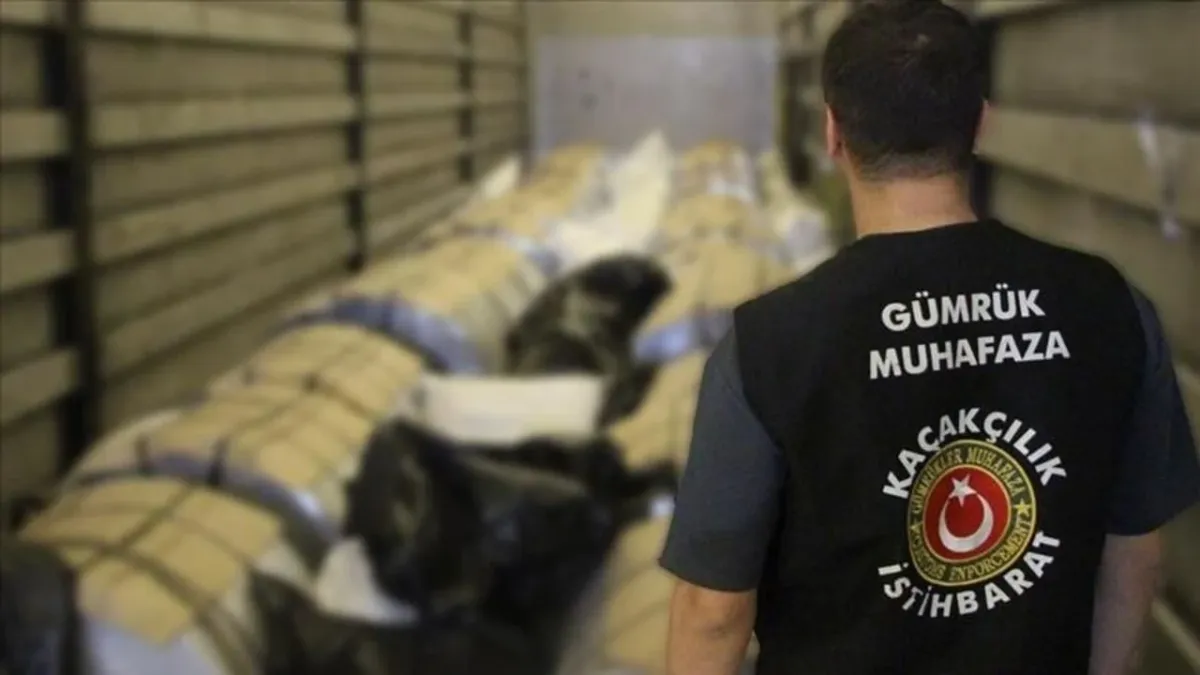
Türkiye Records 4,163 E-Cigarette Smuggling Raids Over Five Years, With Seizures Worth TRY 1.84 Billion

May.07
Türkiye Records 4,163 E-Cigarette Smuggling Raids Over Five Years, With Seizures Worth TRY 1.84 Billion
Turkish Trade Minister Ömer Bolat disclosed enforcement figures on e-cigarette smuggling in response to a written parliamentary question. Over the past five years, Türkiye recorded 4,163 raids targeting e-cigarette smuggling, preventing illegal e-cigarettes, liquids and components worth TRY 1.84 billion, or about USD 40.68 million based on an exchange rate of USD 1 = TRY 45.2339, from reaching the market.

Key Takeaways

  • Türkiye recorded 4,163 e-cigarette smuggling raids over the past five years.
  • In 2025, the number of raids reached 1,398, with seized products valued at TRY 571.66 million, or about USD 12.64 million.
  • In 2023, seized products were valued at TRY 646.02 million, or about USD 14.28 million, marking a high point in recent years.
  • In the first three months of 2026, Türkiye carried out 267 raids and seized products worth TRY 58.23 million, or about USD 1.29 million.
  • Türkiye has banned imports of e-cigarettes and similar products since 2020.

2Firsts, May 7,2026 


According to Türkiye Gazetesi, Turkish Trade Minister Ömer Bolat disclosed customs enforcement data on e-cigarette smuggling in response to a written parliamentary question.


Seizures over five years were valued at TRY 1.84 billion


According to Trade Ministry data shared by Bolat, Türkiye recorded 4,163 raids targeting e-cigarette smuggling over the past five years, preventing illegal e-cigarettes, liquids and components worth TRY 1.84 billion, or about USD 40.68 million based on an exchange rate of USD 1 = TRY 45.2339, from reaching the market.


Raids increased each year from 2021 to 2025


The report said that in 2021, Türkiye seized products worth TRY 18.02 million, or about USD 398,396, in 235 raids. In 2022, the number of raids rose to 442, while the market value of seized products increased to TRY 74.72 million, or about USD 1.65 million.


Seizure value reached TRY 646.02 million in 2023


In 2023, when inspections were tightened, Türkiye reached a record amount of TRY 646.02 million, or about USD 14.28 million, through 917 raids. In 2024, authorities seized smuggled products worth TRY 469.04 million, or about USD 10.37 million, in 924 raids.


2025 recorded the highest number of operations


In 2025, Türkiye carried out 1,398 raids and seized products worth TRY 571.66 million, or about USD 12.64 million, making it the year with the highest number of operations. In the first three months of 2026, 267 raids resulted in seizures worth TRY 58.23 million, or about USD 1.29 million.


Bolat said products such as e-cigarette devices, pods, cartridges, liquids and liquid nicotine are easy to conceal and difficult to detect because of their small physical size.


Smuggling methods included luggage concealment and mixing with legal cargo


The report said methods used to bring the products into Türkiye included carrying them on passengers, hiding them in secret compartments of luggage, placing them in technical spaces in vehicles, and concealing them among legal cargo, meaning declared commercial goods.


Illegal products are sold through social media and e-commerce platforms


According to Trade Ministry data, a large portion of products brought into the country illegally are being marketed through social media accounts and e-commerce platforms. Bolat said the ministry is working in coordination with relevant institutions to identify these accounts and impose access restrictions.


Türkiye has banned e-cigarette imports since 2020


The report said Türkiye banned imports of e-cigarettes and similar products in 2020 by presidential decision. It added that illegal trade in products without legal sales channels poses risks to public health and supports the informal economy.


Image source: Türkiye Gazetesi


We welcome news tips, article submissions, interview requests, or comments on this piece.

Please contact us at info@2firsts.com, or reach out to Alan Zhao, CEO of 2Firsts, on LinkedIn


Notice

1.  This article is intended solely for professional research purposes related to industry, technology, and policy. Any references to brands or products are made purely for objective description and do not constitute any form of endorsement, recommendation, or promotion by 2Firsts.

2.  The use of nicotine-containing products — including, but not limited to, cigarettes, e-cigarettes, nicotine pouchand heated tobacco products — carries significant health risks. Users are responsible for complying with all applicable laws and regulations in their respective jurisdictions.

3.  This article is not intended to serve as the basis for any investment decisions or financial advice. 2Firsts assumes no direct or indirect liability for any inaccuracies or errors in the content.

4.  Access to this article is strictly prohibited for individuals below the legal age in their jurisdiction.


Copyright


This article is either an original work created by 2Firsts or a reproduction from third-party sources with proper attribution. All copyrights and usage rights belong to 2Firsts or the original content provider. Unauthorized reproduction, distribution, or any other form of unauthorized use by any individual or organization is strictly prohibited. Violators will be held legally accountable.

For copyright-related inquiries, please contact: info@2firsts.com


AI Assistance Disclaimer


This article may have been enhanced using AI tools to improve translation and editorial efficiency. However, due to technical limitations, inaccuracies may occur. Readers are encouraged to refer to the cited sources for the most accurate information.

We welcome any corrections or feedback. Please contact us at: info@2firsts.com

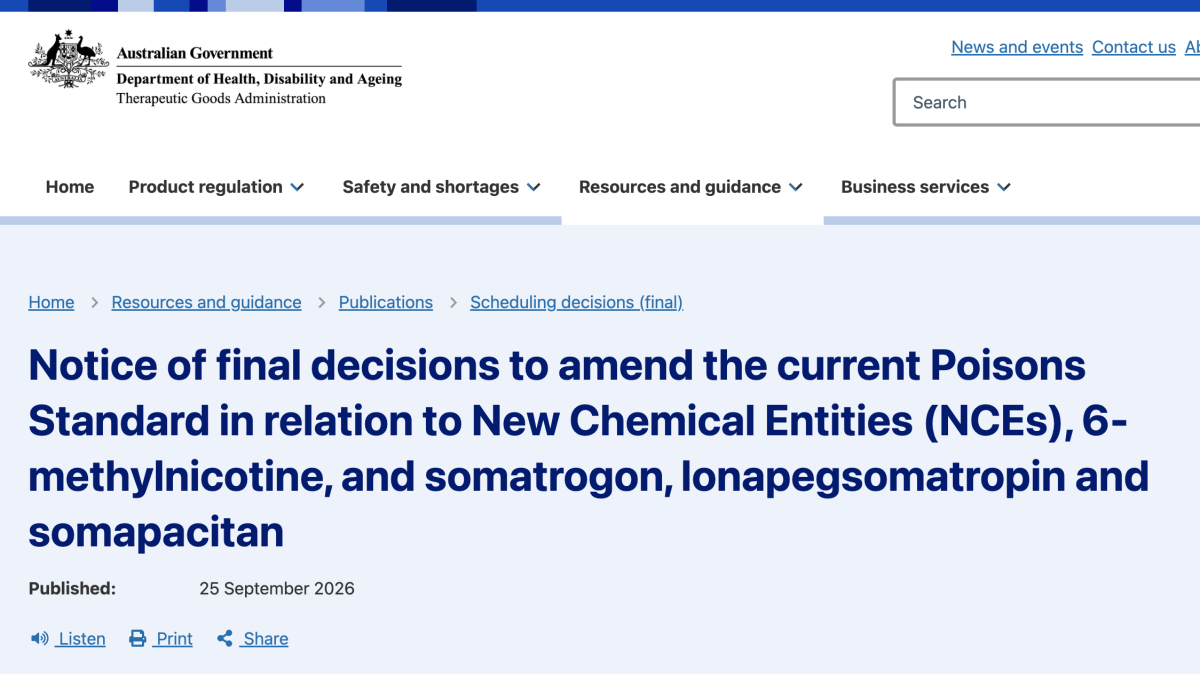
Australia Adds 6-Methylnicotine to Schedule 9 Prohibited Substances, Effective October 1
Australia's Therapeutic Goods Administration published a final decision on September 25 to classify 6-methylnicotine as a Schedule 9 prohibited substance under the Poisons Standard, effective October 1, 2026. TGA said the chemical has been reported in e-cigarette liquids sold in Australia and marketed as nicotine-free or nicotine alternatives, while evidence also indicates its use in preparations such as oral pouches. The government originally proposed a Schedule 7 classification but ultimately adopted the stricter Schedule 9 designation, citing acute toxicity, dependence risk, use in unapproved consumer products and misleading marketing.
News
Sep.29 by 2Firsts Perspectives
FDA Unifies Tobacco Registration and Product Listing Form Across Product Categories
The U.S. FDA has consolidated two tobacco establishment registration and product listing forms into a redesigned Form FDA 3741 covering all regulated product categories, including e-cigarettes, heated tobacco products and nicotine pouches. The current requirements remain limited to domestic establishments. Separately, the FDA has proposed extending registration and product listing requirements to foreign manufacturers, signaling greater regulatory attention to manufacturing entities and product-level information across the tobacco and nicotine supply chain.
FDA
Sep.30
China Tobacco Hubei explores staged nicotine pouch delivery, using dynamic membranes to slow early release and gradient particles to sustain later delivery
China Tobacco Hubei Industrial Co., Ltd. disclosed several oral nicotine-related patent applications in August 2026, including two that approach staged nicotine release from different directions. One uses a high-viscosity membrane that forms inside the pouch after contact with saliva to slow rapid early release, while the other uses gradient particles with a faster-disintegrating outer layer and a slower core to create a fast-to-sustained release profile. Together, the filings explore how nicotine pouches could balance initial delivery with release later in use.
Sep.03
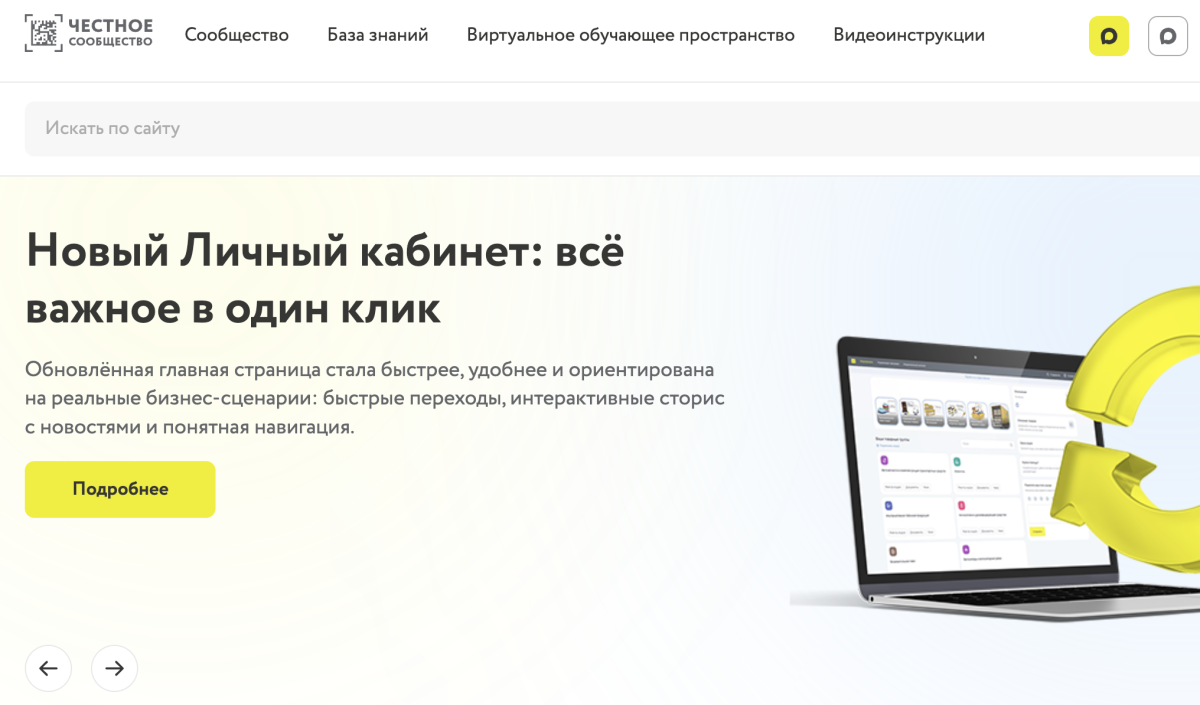
Russia’s Vape Device Labeling Regime Enters Force: Registration Starts in September, Mandatory Coding in December
Russia's digital labeling regime for reusable e-cigarettes and similar personal vaping devices entered its first mandatory phase in September 2026. From September 1, manufacturers, importers and other market participants must register with the national Chestny ZNAK tracking system. From December 1, newly manufactured and imported covered devices will be required to carry digital identification codes and be reported as entering circulation. Russia has also issued new operational guidance for imports, marking the transition from a voluntary pilot to phased mandatory implementation.
Sep.15
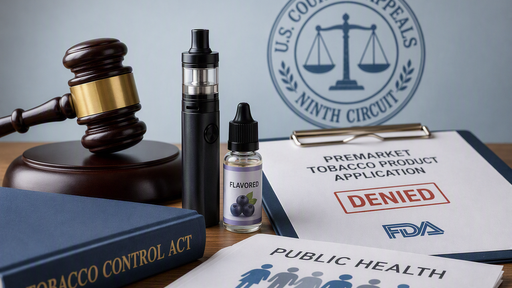
U.S. Ninth Circuit Upholds FDA Denial of MH Global’s Flavored Vape PMTA Applications
The U.S. Court of Appeals for the Ninth Circuit upheld the FDA’s denial of MH Global LLC’s applications to market flavored electronic nicotine delivery systems (ENDS). The court ruled that FDA’s comparative-efficacy framework, which requires applicants to show that flavored products provide greater cessation or switching benefits than tobacco-flavored alternatives, is consistent with the Tobacco Control Act’s “appropriate for the protection of the public health” standard. The court also found that FDA was not required to establish the framework through notice-and-comment rulemaking.
Aug.26
U.S. Judge Stays Helix, NJOY Challenge to FDA PMTA Rule Pending New Rulemaking Court Stays Altria's Helix, NJOY Challenge to PMTA Rule as FDA Prepares New Rulemaking
A federal judge in Texas on Oct. 8 granted a joint request by the FDA and plaintiffs including Altria subsidiaries Helix Innovations and NJOY to stay litigation challenging the agency's 2021 PMTA rule. The court cited FDA's anticipated rulemaking concerning the regulation at issue. FDA announced on Sept. 28 that it intends to reassess the PMTA framework and could initiate new rulemaking to replace it. The parties must file a joint status report within 45 days and every 45 days thereafter. A motion by three Reynolds American companies to intervene remains pending.
Regulations
Oct.10