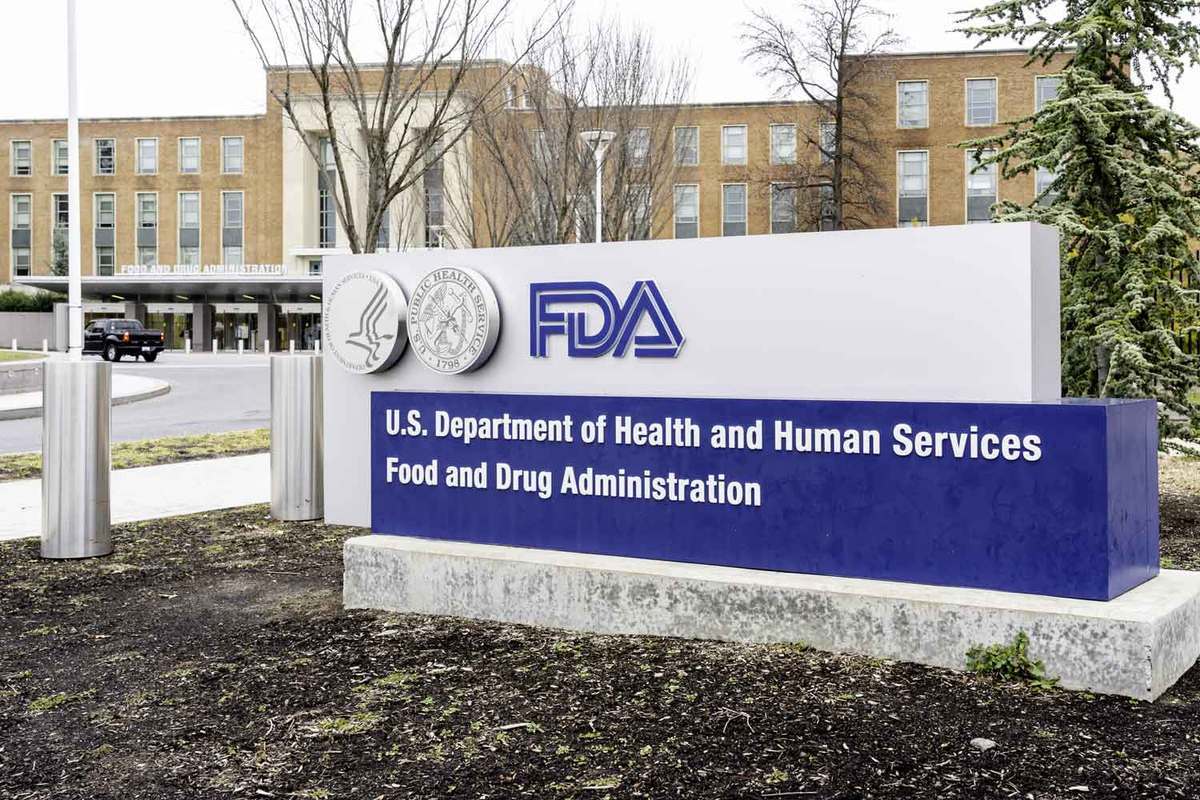
The U.S. FDA has issued two notices: seeking public comments on regulations regarding tobacco retailer training programs and sales restrictions

Aug.22.2025
The U.S. FDA has issued two notices: seeking public comments on regulations regarding tobacco retailer training programs and sales restrictions
On August 22, the U.S. FDA issued two notices soliciting public comments on regulations regarding tobacco retailer training programs and restrictions on tobacco sales. Both notices provide a 60-day public comment period under the Paperwork Reduction Act, aiming to protect public health, especially that of children and adolescents, by regulating retailer behavior and restricting tobacco sales.

Key points: 

·Tobacco retailer training program: The FDA plans to establish standards to regulate tobacco retailer training programs, covering topics such as federal laws restricting the sale, advertising, and promotion of tobacco products. It is estimated that approximately 239,100 tobacco retailers will need to develop training programs that conform to the guidelines. 

·Regulations on tobacco sales: These regulations aim to protect children and adolescents by restricting the sale and distribution of cigarettes and smokeless tobacco. Tobacco product manufacturers, distributors, and retailers are required to notify the FDA at least 30 days before using any advertising or labeling media not listed in the regulations. 

·Public comment period: Both notices provide a 60-day public comment period, during which the public can submit feedback electronically or in writing.


According to the FDA website's announcement on August 22nd, the U.S. FDA has issued two notifications in the Federal Register, one regarding tobacco retailer training programs and the other seeking public input on regulations limiting tobacco sales.


Tobacco Retailer Training Program (Docket No. FDA-2025-N-2653)


The FDA is considering establishing standards to regulate tobacco retailer training programs. These programs should cover federal laws regarding the sale, advertising, and promotion of tobacco products, the health and economic impacts of tobacco use, and policies prohibiting sales to minors. The FDA estimates that around 239,100 tobacco retailers will need to develop training programs that comply with these guidelines. The program will also include requirements such as written tests, annual training updates, and record-keeping. The FDA projects that the annual burden of developing training programs, establishing written policies, and conducting internal compliance checks for information collection activities will be 1,992,500 hours, with a record-keeping burden of 191,280 hours.


Regulations restricting tobacco sales (Docket No. FDA-2025-N-2652)


The regulation aims to protect children and adolescents by restricting the sale and distribution of both traditional and smokeless tobacco products. It requires tobacco product manufacturers, distributors, and retailers to notify the FDA at least 30 days before using any advertising or labeling medium not specifically listed in the regulation. The FDA anticipates approximately four respondents to submit alternative advertising notifications each year, with an average burden of 1 hour per notification. Since 2022, the FDA has received a total of 12 such notifications.


Public Opinion Consultation


Both notices are in accordance with the Paperwork Reduction Act of 1995, which requires a 60-day period for public comment. The public can submit electronic comments through the Federal eRulemaking Portal website, or submit written comments through mail, hand delivery, or courier. For comments containing confidential information, two copies must be submitted - one with the confidential information included, and the other with the confidential information removed for public viewing. The FDA will assess and adjust information collection activities based on public feedback.


We welcome news tips, article submissions, interview requests, or comments on this piece.

Please contact us at info@2firsts.com, or reach out to Alan Zhao, CEO of 2Firsts, on LinkedIn


Notice

1.  This article is intended solely for professional research purposes related to industry, technology, and policy. Any references to brands or products are made purely for objective description and do not constitute any form of endorsement, recommendation, or promotion by 2Firsts.

2.  The use of nicotine-containing products — including, but not limited to, cigarettes, e-cigarettes, nicotine pouchand heated tobacco products — carries significant health risks. Users are responsible for complying with all applicable laws and regulations in their respective jurisdictions.

3.  This article is not intended to serve as the basis for any investment decisions or financial advice. 2Firsts assumes no direct or indirect liability for any inaccuracies or errors in the content.

4.  Access to this article is strictly prohibited for individuals below the legal age in their jurisdiction.


Copyright


This article is either an original work created by 2Firsts or a reproduction from third-party sources with proper attribution. All copyrights and usage rights belong to 2Firsts or the original content provider. Unauthorized reproduction, distribution, or any other form of unauthorized use by any individual or organization is strictly prohibited. Violators will be held legally accountable.

For copyright-related inquiries, please contact: info@2firsts.com


AI Assistance Disclaimer


This article may have been enhanced using AI tools to improve translation and editorial efficiency. However, due to technical limitations, inaccuracies may occur. Readers are encouraged to refer to the cited sources for the most accurate information.

We welcome any corrections or feedback. Please contact us at: info@2firsts.com

Switzerland Tightens Vape Checks as Only 3 of 32 Tested Products Meet New Tobacco Rules
According to Swiss media outlet Blick, local authorities are strengthening compliance checks on vape products, nicotine pouches and other tobacco-related products following the implementation of Switzerland’s revised Tobacco Products Act. A Basel laboratory tested 32 disposable vapes and e-liquids, with only three meeting regulatory requirements and 21 products banned from sale. Swiss authorities are also expanding retail inspections, laboratory testing and youth purchase checks to enforce the new tobacco and nicotine product rules.
Aug.12
Philippine Local Governments Urge Marcos to Prioritize Smoke- and Vape-Free Bill
The League of Municipalities of the Philippines (LMP) has urged President Ferdinand Marcos Jr. to prioritize the Smoke- and Vape-Free Bill, seeking a nationwide legal framework for tobacco and vape regulation. Local government leaders said national legislation would help standardize enforcement and strengthen public health measures. The proposal remains at the advocacy stage and has not yet become law.
Jul.29
BAT’s Velo Study Finds 61% of Nicotine Users Feel More Comfortable Expressing Themselves When Others Do the Same
British American Tobacco’s (BAT) nicotine pouch brand Velo has released a global consumer study and launched its “Echoes of Tomorrowland” campaign with electronic music festival brand Tomorrowland. The research surveyed 2,009 nicotine users across the UK, Spain, Pakistan, Poland and Austria. Velo said 61% of respondents feel more comfortable expressing themselves when they see others doing the same, while 39% said building meaningful connections becomes harder with age. The campaign reflects how nicotine pouch brands are increasingly using music, communities and lifestyle marketing to build consumer engagement.
Aug.10
Product | BAT Launches glo Hyper pro+ in Japan, Upgrading the Hyper Platform With Faster Start and Smart Device Management
British American Tobacco Japan (BAT Japan) has introduced glo Hyper pro+, an upgraded device within the existing glo Hyper platform. The device adds QuickStart™ rapid heating technology, an EasyView™ display and maintenance notification features to improve daily usability. Launched in Japan on July 13, 2026, glo Hyper pro+ maintains compatibility with existing Hyper-format tobacco sticks, including neo, Lucky Strike and KENT.
Jul.30
BAT Regional Director Fred Monteiro Supports Spain’s Nicotine Rules but Opposes 0.99mg Nicotine Pouch Limit
Spanish newspaper El Confidencial interviewed Fred Monteiro, Regional Director for Americas and Europe at British American Tobacco (BAT). Monteiro said BAT supports setting regulatory limits for nicotine products but opposes Spain’s proposed 0.99mg nicotine-per-pouch limit, arguing that such a restriction could affect adult smokers’ transition to alternatives. He said nicotine regulation should be based on scientific evidence and harm reduction principles. Monteiro also said smoke-free products now account for around 25% of BAT’s Americas and Europe business and nearly 30% of its Europe business
BAT
Jul.30
South Korea Vape Strategies Diverge as BAT Reconsiders Exit and PMI Takes VEEV to About 14,000 Stores
BAT Rothmans says it previously considered exiting South Korea's vaping market because of competitive pressure from unregulated products, but is now reassessing conditions following changes to the country's nicotine regulatory framework. Vuse and other BAT vaping products remain available through existing distribution channels. The statement followed a South Korean media report that interpreted BAT's broader withdrawal from selected Vapour markets as a full exit from South Korea. Meanwhile, Philip Morris International launched VEEV inPRIME in the country in June and began expanding distribution to around 14,000 convenience stores and other retail channels in July. The contrasting moves highlight differing investment strategies as South Korea's regulated vaping market evolves.
Aug.14