Singapore Authorises 5,000+ Officers to Enforce Tougher Vaping Laws; 232 Fined in First Week

Sep.09.2025
Singapore Authorises 5,000+ Officers to Enforce Tougher Vaping Laws; 232 Fined in First Week
Singapore has nearly doubled its frontline enforcement force against vaping, authorising more than 5,000 officers across multiple agencies. In the first week since enhanced laws took effect on Sep 1, authorities fined 232 people; at least 14 were confirmed with etomidate-laced “Kpods,” and 32 were suspected of using them.

Key Points


  • Enforcement surge: Over 5,000 additional officers across CNB, CPIB, LTA, MOM, SCDF, SPS and public transport operators empowered to act against vape users—nearly doubling the previous force. 
  • One-week results: 232 people fined; at least 14 confirmed to possess etomidate vapes; 32 suspected Kpod users. 
  • Legal framework: From Sep 1, etomidate is listed as a Class C drug under the Misuse of Drugs Act (MDA); importers of etomidate vapes face heavy jail terms and caning. 
  • Rehabilitation regime: Etomidate abusers may be required to attend up to six months of rehabilitation in lieu of prosecution; three have received notices so far. 
  • Repeat use penalties: Recalcitrant users can be prosecuted under the Tobacco (Control of Advertisements and Sale) Act, with fines up to S$2,000. 


2Firsts, Sep 9, 2025 — Singapore has authorised more than 5,000 additional frontline officers to enforce vaping rules, nearly doubling the national enforcement force. Newly empowered personnel from the Central Narcotics Bureau, Corrupt Practices Investigation Bureau, Land Transport Authority, Ministry of Manpower, Singapore Civil Defence Force, Singapore Prison Service and public transport operators can now act against e-vaporiser users, said the Ministry of Health (MOH) and Health Sciences Authority (HSA). 


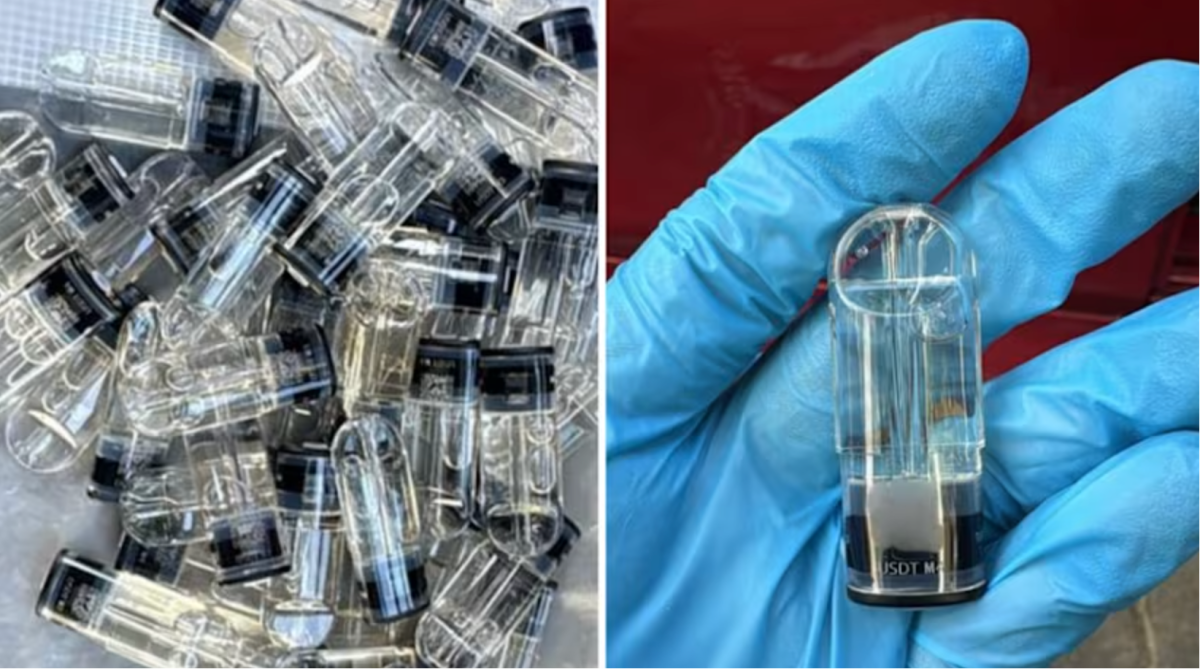
The move follows the Sep 1 start of enhanced penalties that include listing etomidate—an anaesthetic found in some illicit vapes—as a Class C controlled drug under the Misuse of Drugs Act. This change exposes suppliers of etomidate-laced vapes (“Kpods”) to much stiffer drug-law penalties. 


In the first week under the new regime, authorities issued on-the-spot fines to 232 people for vape-related offences. At least 14 offenders were confirmed to possess etomidate-laced vapes, according to MOH and HSA.  


MOH and HSA said etomidate abusers may be required to undergo rehabilitation—focused on education, counselling and support—for up to six months in lieu of prosecution; three offenders have received rehabilitation notices to date. Those who fail to complete the programme, as well as third-time and subsequent offenders, will be prosecuted under the Tobacco (Control of Advertisements and Sale) Act, with fines up to S$2,000. 


Authorities also highlighted that drug-law penalties can apply to etomidate-linked trafficking: importers of etomidate vapes face three to 20 years’ imprisonment and caning, while sellers/distributors face two to 10 years and caning. 


Health Minister Ong Ye Kung thanked the public agencies and the community for supporting the anti-vaping drive in a Facebook post on Monday. 

UK Vape Waste Falls 23% From 2024, but Recycling Group Says Fire Risks Remain High
New research from UK recycling campaign group Material Focus says more than 6.3 million vapes and pods are still thrown away each week in the UK. The figure is down 23% from 8.2 million in 2024, which the group said suggests the June 2025 single-use vape ban has helped reduce waste, but it warned that the current level still represents a major waste of valuable materials and a significant fire risk.
Mar.27 by 2FIRSTS.ai
Exclusive | TPE 2026 Cools as Caution Deepens in the U.S. Vape Market
The show had become an important check-in point for Chinese manufacturers and brand owners looking for signs of change in the U.S. market after months of softer demand. Instead, participants said the event highlighted a more restrained mood: traffic in the vape section was uneven, standout launches were limited, and conversations often failed to turn into orders.
Special Report
Apr.12
Japan Tobacco Launches Nordic Spirit Nicotine Pouches in Japan; Nationwide Rollout Starts April 6
Japan Tobacco (JT) has introduced the new Nordic Spirit nicotine pouch brand in Japan. The Cola Fizz Medium flavor began early sales on March 3, 2026 via the CLUB JT online shop, and will be rolled out sequentially from April 6 through nationwide channels including 7-Eleven, Lawson, and NewDays. The Berry Mix Medium flavor is expected to launch on CLUB JT around mid-March.
Mar.04 by 2FIRSTS.ai
Bulgarian Police Seize More Than 56,500 Heated Tobacco Sticks in Sofia Operation
Bulgaria’s Interior Ministry said two men aged 48 and 50 were detained during a specialised police operation in Sofia’s Krasna Polyana district for distributing e-cigarettes and tobacco without excise stamps.
Mar.17 by 2FIRSTS.ai
Australia’s NSW Finds Lower Vaping Rates Among Teenagers Aged 14 to 17
A new report from Cancer Council’s Generation Vape research project shows that fewer teenagers in New South Wales are trying vaping after the state government introduced tougher vaping goods laws. Among surveyed NSW teenagers aged 14 to 17, the proportion who had tried vaping fell from 29.6% in April 2024 to 20.1% in October 2025.
Mar.17 by 2FIRSTS.ai
IMF Article Sets Out Three Principles: Cover All Harmful Products, Match Tax Rates to Harm, Improve Cross-Border Coordination
A March 2026 article in Finance & Development, “Taxing Harmful Habits,” argues that taxes on harmful products such as tobacco, alcohol and sugary drinks should better reflect the health harm they cause. The authors propose three principles: capture all harmful products, align tax rates with health harm, and strengthen cross-border coordination to reduce evasion and smuggling.
Mar.24 by 2FIRSTS.ai