Key Points
- Florida plans to amend its TANF State Plan to prohibit EBT-funded purchases of tobacco and vaping products.
- The policy affects benefit spending, not the legal sale of vape or tobacco products.
- Florida already restricted EBT purchases involving alcohol, gambling and adult entertainment.
- The Department of Children and Families said the changes would not affect benefit eligibility or payment amounts.
- The updated TANF plan still requires federal approval before implementation.
2Firsts
August 25, 2026
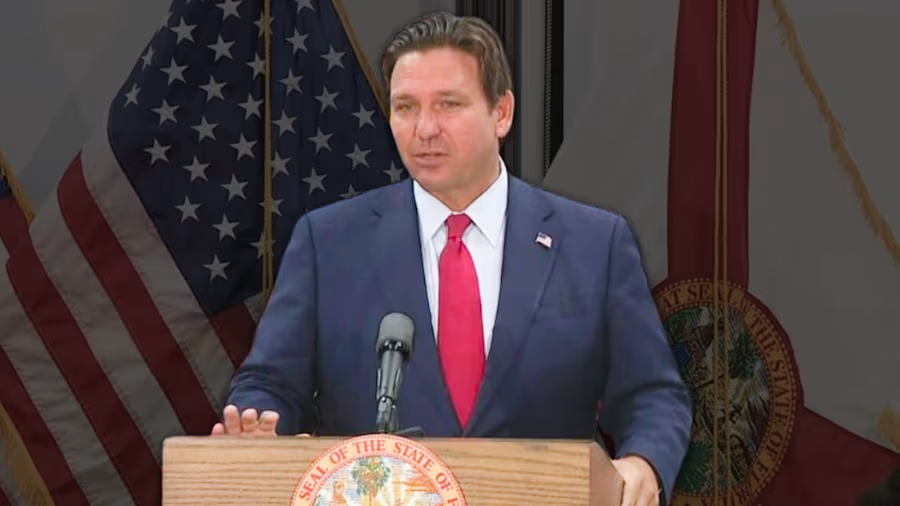
According to News4JAX on August 24, 2026, Florida Governor Ron DeSantis announced that the state plans to expand restrictions on Temporary Assistance for Needy Families (TANF) benefits by adding tobacco and vaping products to items that cannot be purchased using Electronic Benefit Transfer (EBT) cards. The measure will be implemented through an amendment to Florida’s TANF State Plan and will require federal approval. Florida officials said the restrictions apply to how benefits can be spent and will not affect families’ eligibility for temporary cash assistance or the amount of benefits they receive.
Florida Expands EBT Restrictions
Under existing federal and state rules, EBT cards cannot be used for purchases involving:
● Alcohol;
● Gambling;
● Adult entertainment establishments.
Florida’s expanded restrictions would also prohibit benefits from being used for:
● Tobacco and vaping products;
● Drugs or intoxicants;
● Adult content;
● Video games;
● Entertainment and theme park tickets;
● Tattoos;
● Tanning services;
● Fortune-telling or psychic services.
DeSantis said the policy is designed to ensure taxpayer-funded assistance is directed toward essential support rather than wasteful or fraudulent spending.
Restrictions Will Not Affect Benefit Eligibility
Florida Department of Children and Families Interim Secretary Kate Williams said the agency is working on the TANF State Plan amendment and will coordinate with federal partners, retailers and EBT providers to implement the restrictions.
Williams said the changes will not affect a family’s eligibility for temporary cash assistance or the amount of benefits received.
She said Florida has experience implementing similar restrictions through its Healthy SNAP initiative, launched in April, which limited SNAP purchases of soda, candy, energy drinks and ultra-processed prepared desserts.
Williams said retailers updated point-of-sale and online systems under that program to identify and block restricted products, and the same framework would help guide TANF implementation.
Policy Targets Benefit Spending, Not Vape Market Access
The Florida measure concerns how welfare funds can be spent rather than whether vape products can legally be sold.
The policy means:
● Vape companies are not prohibited from selling legal products;
● Consumers can still purchase legal vape products through other payment methods;
● The restriction applies only to TANF-funded EBT spending.
Florida officials said families would continue using benefits for everyday necessities, including food, medicine, clothing and children’s items.
The state said taxpayer-funded assistance should not be used to purchase tobacco or vaping products.
Federal Approval Required
Florida’s TANF State Plan amendment will be submitted to the federal government for approval.
DeSantis said the state has coordinated with the Trump administration and expects a positive response.
The state has not announced a specific implementation date for the new restrictions.
The policy reflects broader efforts by some U.S. states to place additional limits on how public assistance funds can be used, including restrictions involving tobacco and vaping products.
Follow 2Firsts for the latest developments in global vape and next-generation tobacco regulation, policy and market trends.
Cover Image:News4JAX
Disclaimer
This article is provided solely for professional research, industry discussion, and informational purposes. Any references to brands, companies, products, technologies, or policies are made for factual reporting and analytical purposes only, and do not constitute endorsement, recommendation, promotion, or advertising by 2Firsts.
Nicotine-containing products, including but not limited to cigarettes, e-cigarettes, heated tobacco products, and nicotine pouches, carry significant health risks. Readers are responsible for complying with all applicable laws and regulations in their respective jurisdictions, including age restrictions and access limitations.
The information contained in this article should not be regarded as investment, legal, medical, regulatory, or commercial advice. While 2Firsts strives to ensure the accuracy and reliability of its content, it does not assume liability for any direct or indirect loss arising from errors, omissions, inaccuracies, or reliance on the information contained herein.
This article is not intended for individuals below the legal age for accessing tobacco or nicotine-related information in their jurisdiction.
Copyright Notice
This article is either original content produced by 2Firsts or content reproduced, translated, summarized, or adapted from third-party sources with attribution where applicable. The intellectual property rights of the original content remain with 2Firsts or the respective original rights holders.
No individual or organization may copy, reproduce, distribute, republish, modify, translate, or otherwise use this content without prior authorization. Any unauthorized use may result in legal action.
For copyright-related inquiries, corrections, or removal requests, please contact: info@2firsts.com.
AI-Assisted Translation and Editing Notice
Portions of this article may have been translated, edited, or reviewed with the assistance of artificial intelligence tools to improve efficiency and readability. Due to the limitations of AI-assisted translation and editing, discrepancies, omissions, or inaccuracies may exist when compared with the original source.
Where applicable, readers are advised to refer to the original source for the most complete and accurate information. If you identify any errors or believe that any content infringes upon your rights, please contact us at info@2firsts.com, and we will review and address the matter promptly.