Key Points
- 6-methyl nicotine (6MN) has become a focus of US vape regulatory debate.
- Former ATF official Edgar Domenech linked the issue to Chinese vape supply chains.
- 6MN is a nicotine analogue, not conventional synthetic nicotine.
- Research suggests 6MN may have higher receptor activity than nicotine, but long-term risks remain unclear.
- The issue has expanded from a technical industry debate into a US policy discussion.
2Firsts
July 12, 2026
The US debate over 6-methyl nicotine (6MN) is gaining attention as regulators, researchers and industry observers examine how nicotine analogues should be classified under existing vape regulations.
Former Bureau of Alcohol, Tobacco, Firearms and Explosives (ATF) Deputy Director Edgar Domenech said some vape products may be using nicotine analogues instead of conventional nicotine, creating new questions over regulatory definitions and enforcement authority.
The comments were first reported by Fox News and later covered by the New York Post and Washington Examiner, moving 6MN from an industry compliance issue into a broader US policy discussion.
6-Methyl Nicotine Becomes a New Regulatory Focus
6-methyl nicotine (6MN) is a nicotine analogue with a molecular structure different from nicotine but activity on similar receptor systems.
The issue differs from the earlier debate over synthetic nicotine.
In 2022, Congress clarified that FDA authority covers nicotine products regardless of whether nicotine is derived from tobacco or produced synthetically.
The current 6MN debate focuses on whether compounds with nicotine-like pharmacological effects but modified molecular structures should fall under existing tobacco regulations.
Some market participants argue that 6MN products may not fit current tobacco-product definitions, although the position has not been formally confirmed by the FDA or courts.
Former ATF Official Raises Concerns Over Chinese Vape Supply Chains
Domenech told Fox News that some vape products may retain similar packaging, flavours and disposable formats while changing the active ingredient.
He argued that federal, state and local agencies need clearer guidance on how to identify and regulate products containing nicotine analogues.
Domenech also said some products continue to use fruit, candy and sweet flavour profiles that may increase youth appeal.
The claims regarding specific companies, products and sales practices were attributed to Domenech, and the reports did not identify specific companies, product batches or enforcement cases.
Research Points to Higher Activity but Limited Health Data
Duke University researchers have examined products containing 6MN.
Their research found that 6MN may show stronger activity at nicotinic acetylcholine receptors than nicotine, potentially indicating greater pharmacological potency.
However, researchers said important questions remain regarding:
- inhalation exposure;
- metabolism;
- long-term health effects;
- toxicological risks.
The scientific debate therefore extends beyond regulatory classification to broader health assessment.
6MN Debate Moves Into US Policy Conversation
The media trajectory of the 6MN discussion highlights how a technical industry issue can quickly become a broader policy topic.
After Fox News first reported Domenech’s comments, the New York Post and Washington Examiner followed with coverage, turning the question of whether nicotine analogues create regulatory gaps into a new focus of US vape policy debate.
Unlike earlier disputes centred on PMTA status, the 6MN debate focuses on whether regulatory definitions can keep pace with changing chemical structures.
The discussion reflects a shift in US vape oversight from:
- whether products have submitted applications;
toward:
- whether emerging compounds fall within regulatory boundaries.
Industry Impact and Outlook
The 6MN debate could become an important test case for future US nicotine regulation.
For vape manufacturers, market-access risks are expanding beyond product authorisation, age restrictions and sales rules toward:
- ingredient classification;
- chemical definitions;
- FDA jurisdiction;
- customs and enforcement standards.
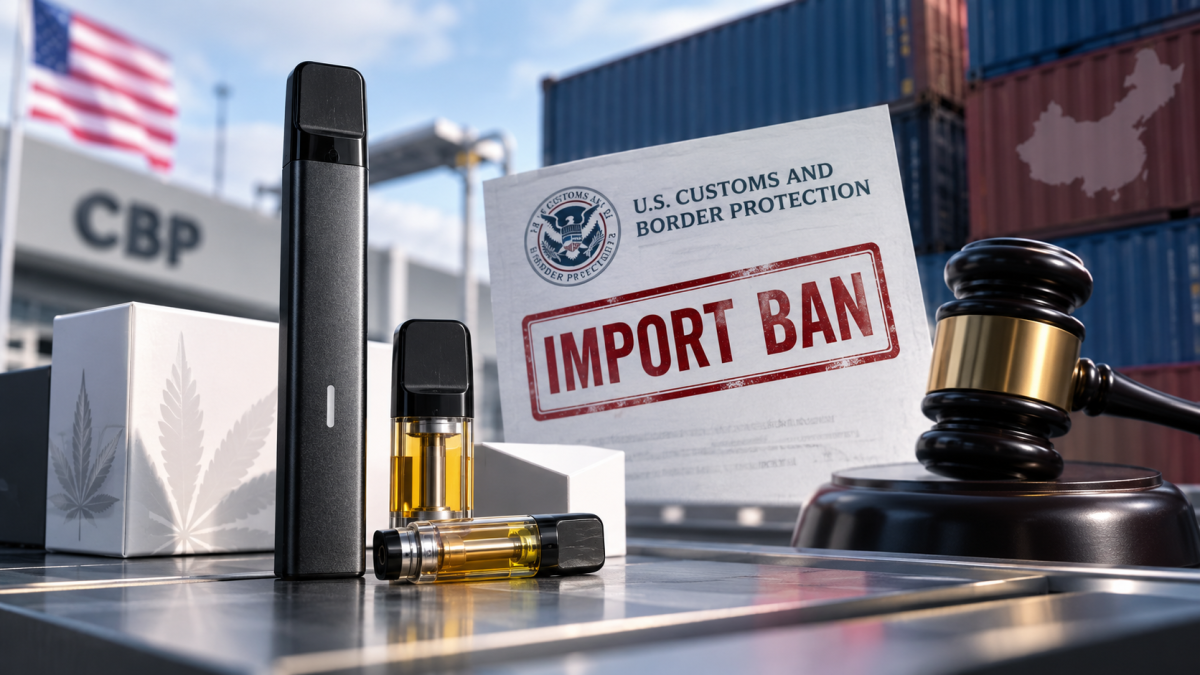
For Chinese and other overseas vape manufacturers, the case highlights that US regulators may increasingly examine product formulations and molecular structures, rather than only import documentation and product declarations.
However, the regulatory status of 6MN remains unresolved. Future action by the FDA, Congress or courts could determine how nicotine analogues are classified and whether additional restrictions apply.
From a media and policy perspective, the episode also shows how emerging nicotine compounds can quickly shift from technical industry discussions into broader public-policy debates.
Follow 2Firsts for the latest updates on global tobacco harm reduction, nicotine products and regulatory developments.
Cover Image source: Fox News
Disclaimer
This article is provided solely for professional research, industry discussion, and informational purposes. Any references to brands, companies, products, technologies, or policies are made for factual reporting and analytical purposes only, and do not constitute endorsement, recommendation, promotion, or advertising by 2Firsts.
Nicotine-containing products, including but not limited to cigarettes, e-cigarettes, heated tobacco products, and nicotine pouches, carry significant health risks. Readers are responsible for complying with all applicable laws and regulations in their respective jurisdictions, including age restrictions and access limitations.
The information contained in this article should not be regarded as investment, legal, medical, regulatory, or commercial advice. While 2Firsts strives to ensure the accuracy and reliability of its content, it does not assume liability for any direct or indirect loss arising from errors, omissions, inaccuracies, or reliance on the information contained herein.
This article is not intended for individuals below the legal age for accessing tobacco or nicotine-related information in their jurisdiction.
Copyright Notice
This article is either original content produced by 2Firsts or content reproduced, translated, summarized, or adapted from third-party sources with attribution where applicable. The intellectual property rights of the original content remain with 2Firsts or the respective original rights holders.
No individual or organization may copy, reproduce, distribute, republish, modify, translate, or otherwise use this content without prior authorization. Any unauthorized use may result in legal action.
For copyright-related inquiries, corrections, or removal requests, please contact: info@2firsts.com.
AI-Assisted Translation and Editing Notice
Portions of this article may have been translated, edited, or reviewed with the assistance of artificial intelligence tools to improve efficiency and readability. Due to the limitations of AI-assisted translation and editing, discrepancies, omissions, or inaccuracies may exist when compared with the original source.
Where applicable, readers are advised to refer to the original source for the most complete and accurate information. If you identify any errors or believe that any content infringes upon your rights, please contact us at info@2firsts.com, and we will review and address the matter promptly.