Key Points
- Germany expanded disposable vape take-back obligations from July 1, 2026.
- Consumers can return used devices at stores that sell the products.
- Kiosks, petrol stations and vape shops are included.
- The policy targets lithium-battery fire risk, e-waste recovery and resource circulation.
- Vape retail responsibility is expanding from sales to post-use collection.
2Firsts
July 6, 2026
According to Stiftung ear, Stadt Bremerhaven and t-online, Germany expanded its take-back obligations for disposable vapes from July 1, 2026. Consumers can return used disposable e-cigarettes to sales points that sell such products, including kiosks, petrol stations, vape shops and other small retail outlets.
Vape Sellers Must Also Take Back Used Devices
Stiftung ear said sales points that sell disposable e-cigarettes and electronic tobacco heaters are subject to new take-back obligations. The rule means retailers are not only selling vape products, but must also provide a channel for collecting used devices.
Stadt Bremerhaven reported that after a transition period, kiosks, petrol stations and other outlets selling e-cigarettes must take back used devices from July 1. t-online also reported that consumers can return disposable vapes to sales points from July under Germany’s Electrical and Electronic Equipment Act, or ElektroG.
The change expands the coverage of vape-waste management. Previously, consumers were more likely to rely on electronics retailers, municipal recycling centres or dedicated collection points for small electronic devices. The new rule brings everyday vape sales locations into the collection system, making the return pathway clearer: devices can be brought back where such products are sold.
For retailers, this means that even small outlets whose main business is not electronics may need collection, storage and onward recycling procedures if they sell relevant vape products.
Returns Are Not Linked to a New Purchase
A key purpose of the expanded obligation is to make it easier for consumers to return used disposable vapes. The reports indicate that returns should not be conditional on buying a new device.
This matters for vape-waste management. Disposable vapes are small, low-cost and have short use cycles. If consumers have to search for a separate recycling point, the devices are more likely to end up in general waste. Requiring sales points to accept returns lowers the burden on consumers and increases the chance that used devices enter formal recycling channels.
German authorities have previously stressed that used disposable vapes do not belong in general waste. The reason is that built-in lithium batteries can ignite if damaged, creating risks for people, waste-collection vehicles and recycling facilities.
Disposable vapes also contain batteries, metals, plastics and electronic components. If they are thrown away improperly, they create an environmental burden and allow lithium, metals and other recyclable materials to leave the resource cycle.
Lithium-Battery Fire Risk Drives the Policy
The expanded disposable-vape take-back obligation is closely linked to Germany’s concern over lithium-battery waste. Although consumers may view disposable vapes as small fast-moving consumer goods, they are battery-powered electronic devices in legal and recycling terms.
When these products enter general waste, yellow bags or mixed waste streams, their built-in lithium batteries can be damaged during compression, shredding, transport or processing. This can lead to fires, a problem increasingly highlighted by waste-management operators and regulators across Europe.
For the vape industry, lithium-battery risk is changing the compliance logic for disposable products. Regulatory debate has often focused on youth use, flavours, nicotine concentration and retail channels. Now, fire risk, resource waste and take-back responsibility after use are becoming additional regulatory dimensions.
This also explains why Germany is expanding take-back obligations while continuing to discuss a possible ban on disposable vapes. Even if a sales ban requires further legislation, used devices are already in the market and in households, making collection an immediate issue.
Retailers Face Store-Level Execution Pressure
For kiosks, petrol stations, vape shops and convenience retailers, the main challenge is implementation.
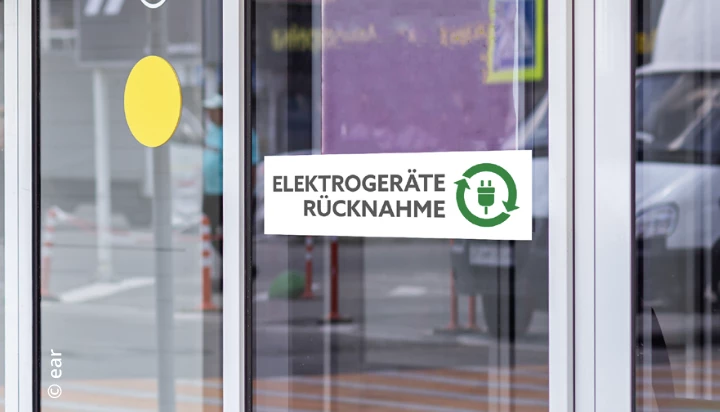
First, stores need to make consumers aware that used devices can be returned. Return logos, in-store notices and staff explanations will influence whether consumers actually use the collection channel.
Second, stores need to store used lithium-battery devices safely. Used vapes may still have residual charge or e-liquid residue. If mixed with other waste, they can still create safety or hygiene risks.
Third, retailers need onward recycling arrangements, either through compliant recycling providers, municipal channels or producer-responsibility systems. For small kiosks and petrol stations, this may create additional space, training and logistics costs.
Fourth, online sales may also require return arrangements. If consumers buy disposable vapes online, platforms and merchants need to clearly explain return options and ensure the pathway works in practice.
Although the rule is part of waste management, it will directly affect daily vape retail operations. Sales-channel compliance will no longer be measured only by whether a retailer refuses underage buyers, but also by whether it can handle post-use collection responsibilities.
From Take-Back Rules to a Possible Ban
Germany’s policy debate over disposable vapes does not end with take-back rules. Federal environment authorities have previously indicated that they are preparing or supporting stricter measures on disposable vapes. Several state-level officials and environmental groups have also called for a faster ban, citing environmental damage, resource waste and lithium-battery fire risks.
In this context, the July 1 take-back obligation can be seen as a transitional regulatory measure. It immediately broadens collection channels for used devices while also creating a basis for evaluating whether disposable vapes can continue to be managed through compliance measures.
If the take-back system is poorly implemented, or if large numbers of used devices continue to enter general waste, regulators may have stronger grounds for stricter action. If the industry builds an effective collection system, it may use that performance to argue that compliance-based management is feasible.
For brands and suppliers, competition may increasingly involve more than flavours, capacity, price and channels. Product recyclability, material labelling, battery safety, recycling partnerships and consumer return incentives may become more important.
Industry Impact and Next Steps
From an industry perspective, Germany’s disposable-vape take-back obligation sends three signals.
First, vape regulation is entering the product-lifecycle phase. Companies selling products are being asked to take greater responsibility for what happens after use.
Second, lithium-battery safety is becoming an important part of vape compliance. Disposable vapes are battery-powered electronic devices and must be managed under e-waste and fire-safety frameworks, rather than treated simply as ordinary consumer goods.
Third, compliance pressure is rising for small retail outlets. Kiosks, petrol stations and convenience stores have been important sales channels for disposable vapes; they are now also front-line collection points.
Key issues to watch include whether German sales outlets effectively implement the take-back obligation, whether consumer return rates increase, whether regulators conduct inspections and whether Germany continues to move toward a disposable-vape ban.
Overall, Germany’s new rule is not merely a waste-sorting requirement. It brings vape retailers into a product-lifecycle responsibility system. For the industry, continued access to European markets will increasingly depend on the ability to meet sales compliance, environmental compliance and waste-collection obligations at the same time.
Follow 2Firsts for the latest updates on global tobacco harm reduction, nicotine products and regulatory developments.
Image source: PresseBox