Key Points
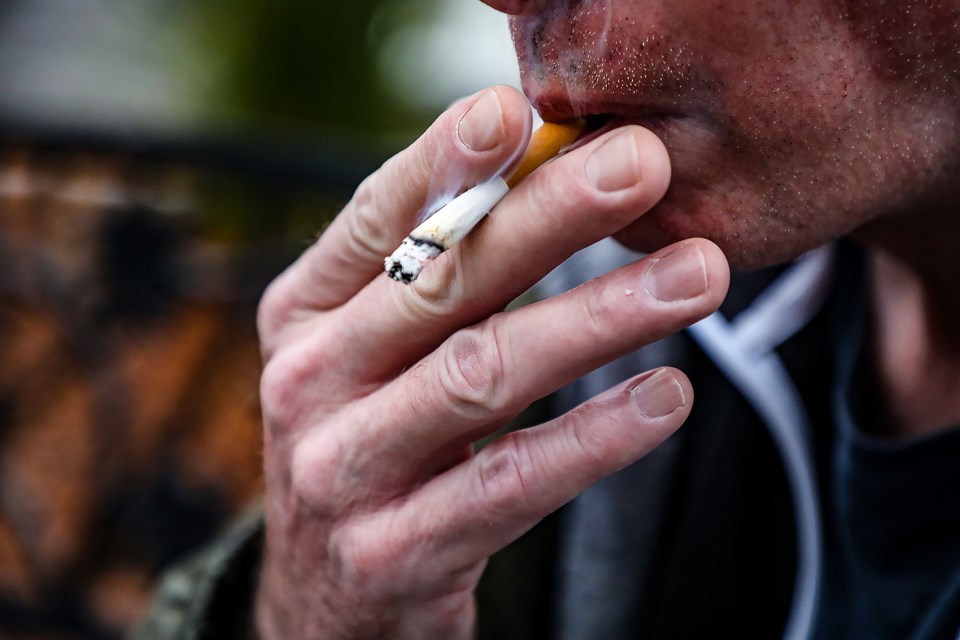
- Tax proposal: Cigarette tax could be raised from the current $0.37 per pack, well below the national average of $1.97.
- Flavor ban & disclosure: Lawmakers propose banning flavored e-cigarettes and requiring ingredient disclosure on packaging.
- Licensing reform: Plans to increase vape shop licensing fees to curb rapid growth.
- Youth concerns: Research shows one in five middle school students, one in four high school students, and one in three college students vape.
- Funding gap: Georgia urged to restore $2.1 million for tobacco prevention programs, halted after federal budget cuts.
2Firsts, September 1, 2025 — According to geiceconnect, as smoking and vaping rates continue to rise, a bipartisan panel in the Georgia House of Representatives is studying new measures including raising tobacco taxes, banning flavored e-cigarettes, mandating ingredient disclosure, and increasing licensing fees for vape shops.
Committee chair Sharon Cooper, a Republican representative from Marietta, noted during a recent hearing that although tax hikes are unpopular in election years, related legislation could come up for a vote as early as 2026.
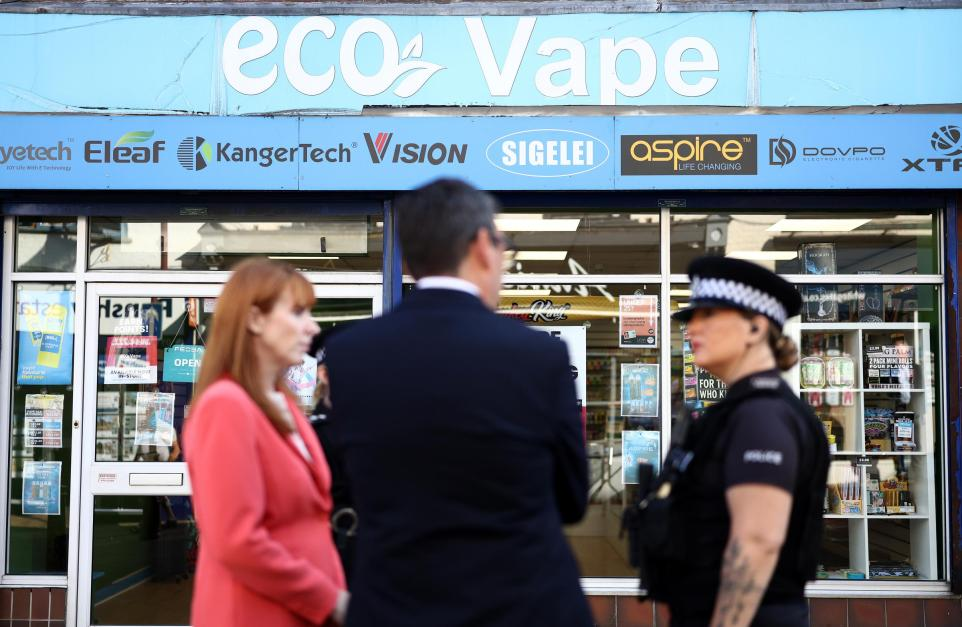
At the same hearing, Dr. Daniel Miller, a thoracic surgeon at the Medical College of Georgia, presented data showing that vape shops in the state now outnumber Chick-fil-A and Starbucks combined. He emphasized that with a $10 license fee, these shops have proliferated rapidly, warning that vaping products often contain 25 times more nicotine than cigarettes, posing severe risks to youth.
Republican lawmaker Ron Stephens, a long-time advocate of raising tobacco taxes, revealed that his sister-in-law, a smoker since the 1970s, had recently died. He argued that “smoking inevitably leads to health problems, and ultimately someone has to pay.” He stressed that in light of federal budget cuts, higher taxes could help offset the state’s healthcare costs.
Currently, Georgia’s cigarette tax is $0.37 per pack, one of the lowest in the United States, only higher than Missouri’s $0.17, and far below the national average of $1.97.
Meanwhile, public health experts have urged the state to restore $2.1 million in funding for the Tobacco Use Prevention Program, which was shut down in May following CDC budget cuts, though the state says “core” prevention and cessation programs remain operational.
We welcome news tips, article submissions, interview requests, or comments on this piece.
Please contact us at info@2firsts.com, or reach out to Alan Zhao, CEO of 2Firsts, on LinkedIn
Notice
1. This article is intended solely for professional research purposes related to industry, technology, and policy. Any references to brands or products are made purely for objective description and do not constitute any form of endorsement, recommendation, or promotion by 2Firsts.
2. The use of nicotine-containing products — including, but not limited to, cigarettes, e-cigarettes, nicotine pouchand heated tobacco products — carries significant health risks. Users are responsible for complying with all applicable laws and regulations in their respective jurisdictions.
3. This article is not intended to serve as the basis for any investment decisions or financial advice. 2Firsts assumes no direct or indirect liability for any inaccuracies or errors in the content.
4. Access to this article is strictly prohibited for individuals below the legal age in their jurisdiction.
Copyright
This article is either an original work created by 2Firsts or a reproduction from third-party sources with proper attribution. All copyrights and usage rights belong to 2Firsts or the original content provider. Unauthorized reproduction, distribution, or any other form of unauthorized use by any individual or organization is strictly prohibited. Violators will be held legally accountable.
For copyright-related inquiries, please contact: info@2firsts.com
AI Assistance Disclaimer
This article may have been enhanced using AI tools to improve translation and editorial efficiency. However, due to technical limitations, inaccuracies may occur. Readers are encouraged to refer to the cited sources for the most accurate information.
We welcome any corrections or feedback. Please contact us at: info@2firsts.com