Vietnam: Hanoi Police Seize 127,000 Illicit E-Cigarette Products Worth USD 1.53 Million 询问 ChatGPT

Jul.24.2025
Vietnam: Hanoi Police Seize 127,000 Illicit E-Cigarette Products Worth USD 1.53 Million         询问 ChatGPT
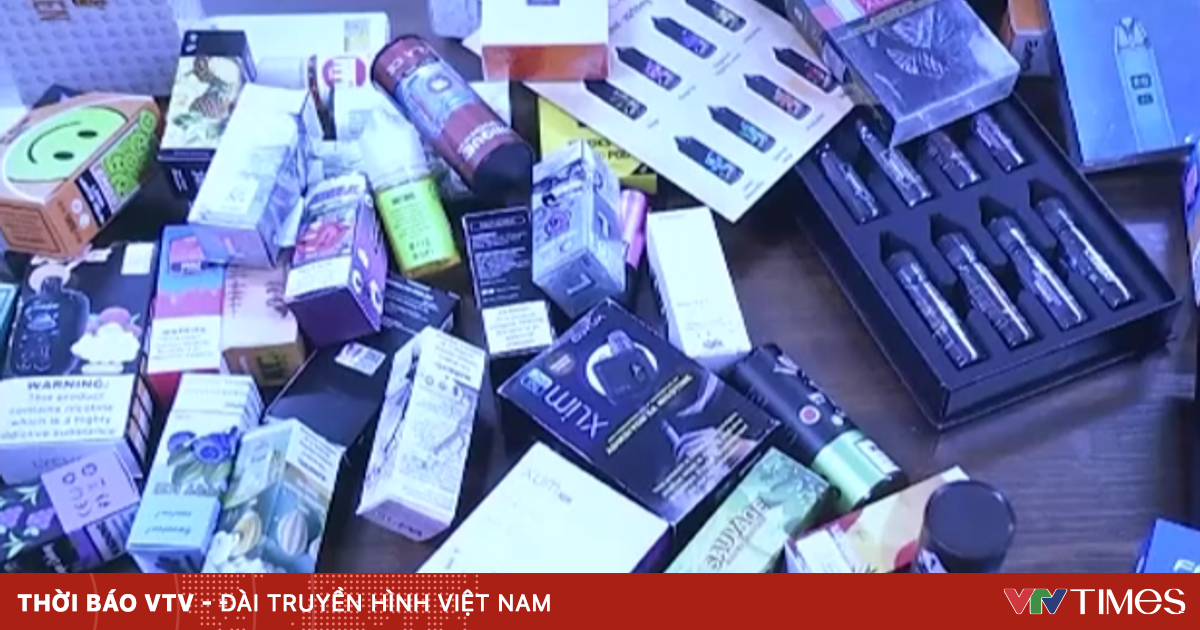
Hanoi police in Vietnam uncovered a major e-cigarette smuggling case worth approximately USD 1.53 million, seizing around 127,000 illicit products. This is the largest seizure since the country’s e-cigarette ban took effect. Fourteen suspects have been prosecuted for “trafficking prohibited goods.”

Key Points:


·Hanoi police in Vietnam have busted a smuggling case involving nearly 400 billion Vietnamese dong (approximately $153,000) worth of e-cigarettes, seizing a total of 127,000 smuggled products including various e-cigarette liquids and smoking accessories. 


·Fourteen suspects have been charged by police with illegally selling prohibited goods. 


·The smuggling ring targeted young customers, including students, as their main sales demographic. 


·Authorities are currently conducting a thorough investigation into e-cigarette trading activities on social media platforms.


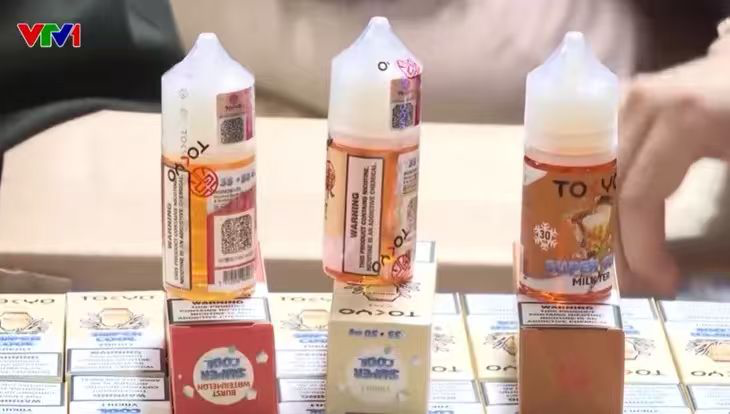
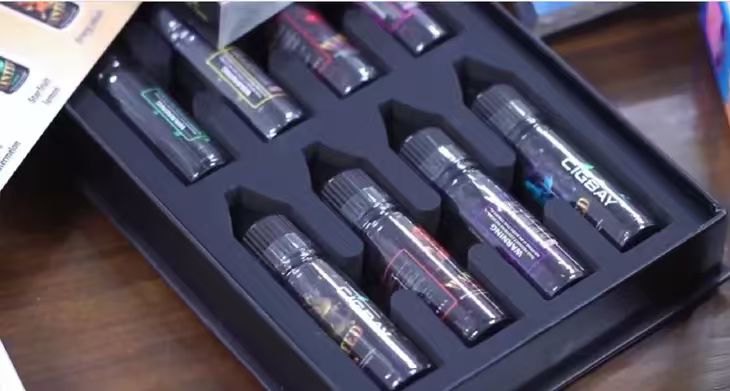
【2Firsts News Flash】According to a report by VTVOnline on July 23, the Hanoi city police recently successfully busted a large-scale e-cigarette smuggling network and charged 14 suspects with "trafficking in prohibited goods." The authorities seized a total of 127,000 smuggled products, including various e-cigarette liquids and smoking accessories, with a total value of nearly 40 billion Vietnamese dong (approximately $153,000).
 

Vietnam: Hanoi Police Seize 127,000 Illicit E-Cigarette Products Worth USD 1.53 Million         询问 ChatGPT
Image source: VTVOnline


This is the largest scale smuggling case uncovered in Hanoi since the e-cigarette ban took effect. Preliminary investigations indicate that this group mainly imports e-cigarette products from China and disperses them in multiple locations to evade detection. They distribute these products through secret groups on social networks, targeting primarily young people, including many students.
 

Vietnam: Hanoi Police Seize 127,000 Illicit E-Cigarette Products Worth USD 1.53 Million         询问 ChatGPT
Image source: VTVOnline


The arrested individuals come from various provinces and cities in Vietnam. The leader of the group is responsible for importing smuggled goods from overseas and coordinating distribution with other members. According to the investigation, the monthly profit can reach hundreds of millions of Vietnamese dong. The main suspect, born in 1991, accumulated experience over the years operating e-cigarette, and admitted to entering this line of business to cater to the demand of young people because the profits are higher compared to other products.


The police handling the case stated that these suspects did not personally participate in the exchange of goods, but instead used third-party logistics and courier services. They did not disclose personal information on the orders, and even filled out false shipping and receiving addresses to avoid exposure. Another suspect revealed that the goods are often labeled as "consumer goods" or "perfume, cosmetics," etc. to deceive others.


Hanoi police stated that the suspects will face a prison sentence of 7 to 15 years. The quality and origin of the various e-cigarette liquids they were selling are unknown, and may have adverse effects on users' health. Currently, the authorities are conducting further investigations and cracking down on other e-cigarette trading activities on social media.


We welcome news tips, article submissions, interview requests, or comments on this piece.

Please contact us at info@2firsts.com, or reach out to Alan Zhao, CEO of 2Firsts, on LinkedIn


Notice

1.  This article is intended solely for professional research purposes related to industry, technology, and policy. Any references to brands or products are made purely for objective description and do not constitute any form of endorsement, recommendation, or promotion by 2Firsts.

2.  The use of nicotine-containing products — including, but not limited to, cigarettes, e-cigarettes, nicotine pouchand heated tobacco products — carries significant health risks. Users are responsible for complying with all applicable laws and regulations in their respective jurisdictions.

3.  This article is not intended to serve as the basis for any investment decisions or financial advice. 2Firsts assumes no direct or indirect liability for any inaccuracies or errors in the content.

4.  Access to this article is strictly prohibited for individuals below the legal age in their jurisdiction.


Copyright


This article is either an original work created by 2Firsts or a reproduction from third-party sources with proper attribution. All copyrights and usage rights belong to 2Firsts or the original content provider. Unauthorized reproduction, distribution, or any other form of unauthorized use by any individual or organization is strictly prohibited. Violators will be held legally accountable.

For copyright-related inquiries, please contact: info@2firsts.com


AI Assistance Disclaimer


This article may have been enhanced using AI tools to improve translation and editorial efficiency. However, due to technical limitations, inaccuracies may occur. Readers are encouraged to refer to the cited sources for the most accurate information.

We welcome any corrections or feedback. Please contact us at: info@2firsts.com

New York City Opens Lottery for 55 Vape Retail License Slots Across 23 Community Districts, Including 28 in Brooklyn
New York City's Department of Consumer and Worker Protection (DCWP) opened applications on November 2, 2026, for a lottery covering tobacco and electronic cigarette retail dealer licenses, with a deadline of 5 p.m. New York local time on November 30. According to the city's October 1 notice, 55 electronic cigarette retail license slots are available across 23 community districts, including 28 in Brooklyn, alongside 322 tobacco retail license slots across 41 districts. Businesses must enter the lottery and, if invited, complete licensing requirements within 65 days. New York City continues to restrict e-cigarette retail sales to tobacco-flavored or unflavored products, while city retail licenses do not replace FDA product marketing authorization.
Market
Nov.04
JTI Liggett Puts U.S. Value Cigarette Brands in Spotlight at 2026 NACS Show
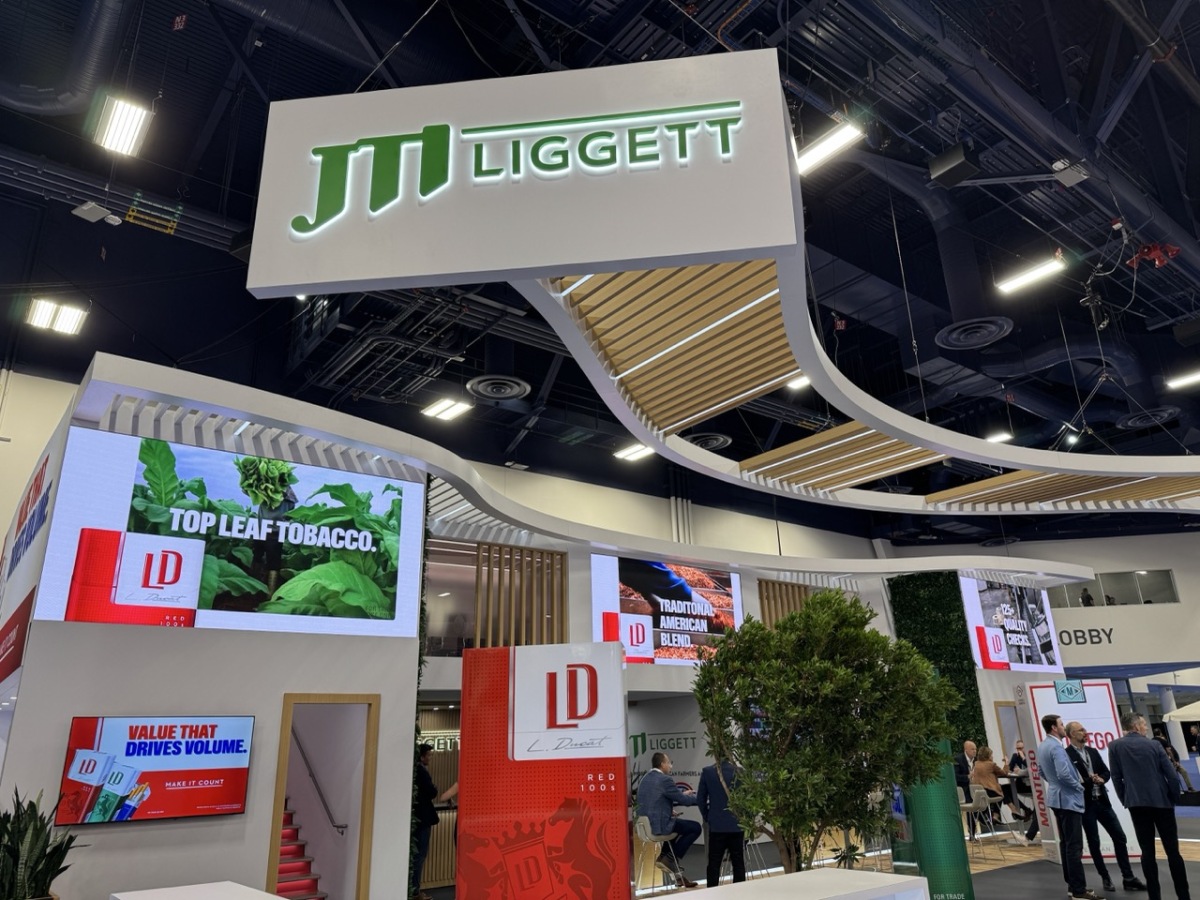
At the 2026 NACS Show in Las Vegas, JTI Liggett highlighted its value-priced cigarette portfolio, including LD and Montego, following JT Group's acquisition of Vector Group. The company's U.S. business reported market share gains, with LD sales volume rising 32.6% in the first half of 2026. Meanwhile, Ploom was displayed separately at Altria's booth under an existing partnership. JTI Liggett booth staff told 2Firsts that the company had not yet launched nicotine pouch products in the United States.
EXPO
Oct.09
Product | KUMI SCENIC 50K Offers Nicotine and 6-Methyl Nicotine Versions as 6-MN Products Appear in Multiple U.S. State Directories, With Louisiana Listing FDA Exemption
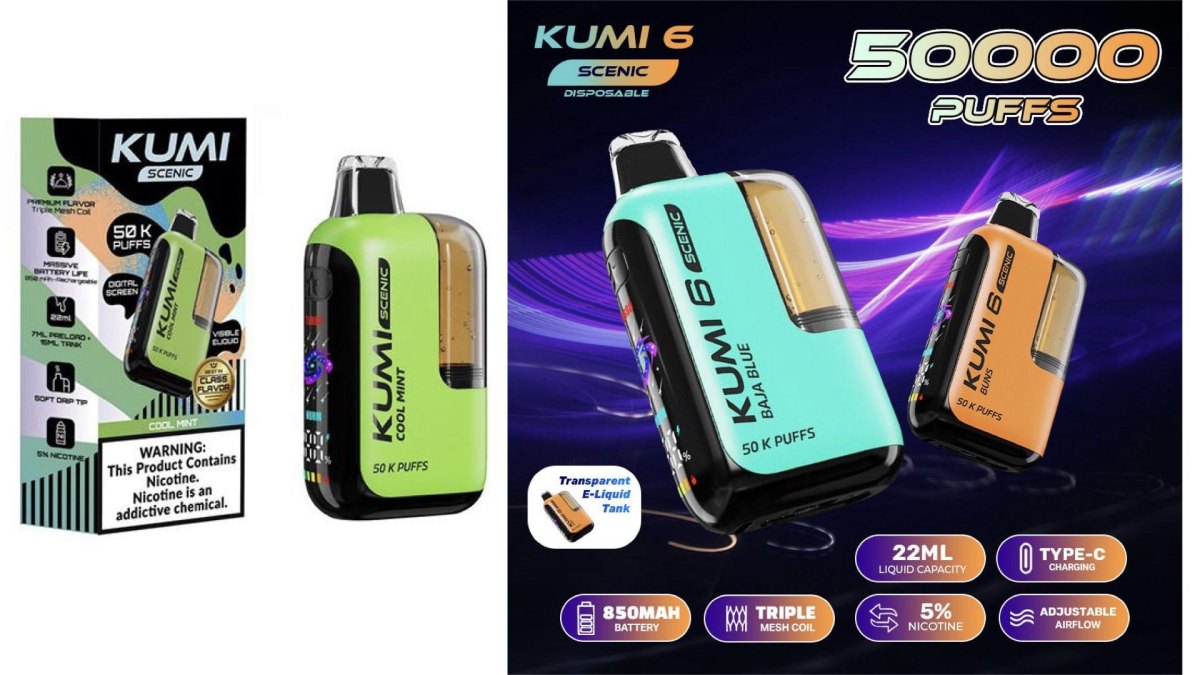
An October 2026 review of U.S. state vapor product directories found KUMI 6 SCENIC 50K listed in Louisiana and Nebraska. Louisiana classifies 20 related product entries as “FDA EXEMPTION.” The SCENIC platform is marketed in both conventional nicotine-salt and NoNic6 formulations, each advertised with 22mL e-liquid capacity and up to 50,000 puffs. U.S. wholesaler Midwest Goods listed both versions in August 2025 with a suggested retail price of $19.99 each. The NoNic6 version is associated with 6-methylnicotine and is also marketed by some distributors as “nicotine-free.”
product
Oct.27
IKE Tech Launches IKE 2.0 Compliance Platform for Nicotine Products
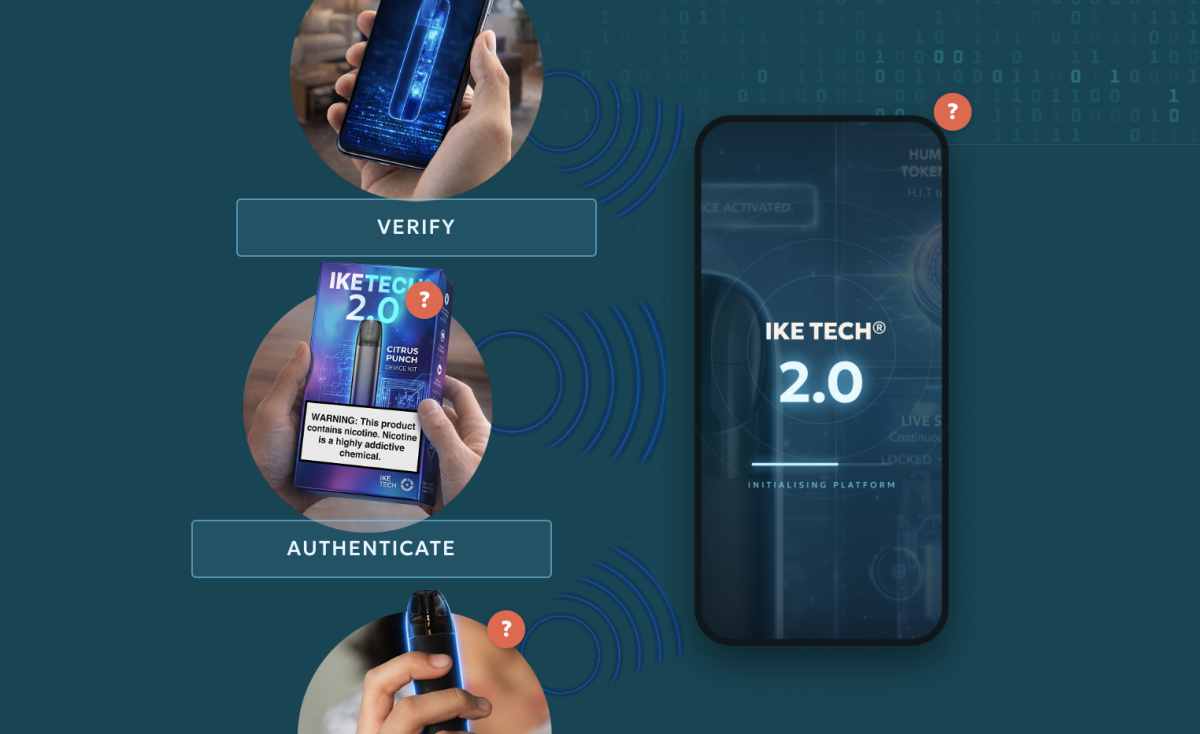
IKE Tech launched IKE 2.0 on September 28, initially targeting nicotine products with a platform that combines user identity verification, product authentication, configurable policy controls and data analytics. Products can be authenticated through direct device integration or NFC smart tags. IKE Tech was formed with participation from Ispire's Aspire North America, Berify and Chemular, with Ispire currently holding a 40% interest. Its age-verification component PMTA was accepted by the FDA in 2025 and remains under review. The company did not disclose customer names, commercial deployment volumes, pricing or revenue tied to IKE 2.0.
News
Sep.29 by 2Firsts Perspectives
NAS 2026 | FDA CTP Director Says PMTA Pathway Is “Predicated on Tobacco Harm Reduction”
At the 2026 New Approaches Summit in New York, FDA Center for Tobacco Products Director Bret Koplow said the PMTA pathway is “predicated on tobacco harm reduction.” He outlined four CTP priorities: youth prevention, helping adults quit or switch to lower-risk products, improving relative-risk communication, and reducing unauthorized products. Koplow also addressed flavored e-cigarettes, public risk perceptions, industry credibility and efforts to make PMTA reviews more efficient and predictable.
Sep.26
Australia Adds 6-Methylnicotine to Schedule 9 Prohibited Substances, Effective October 1
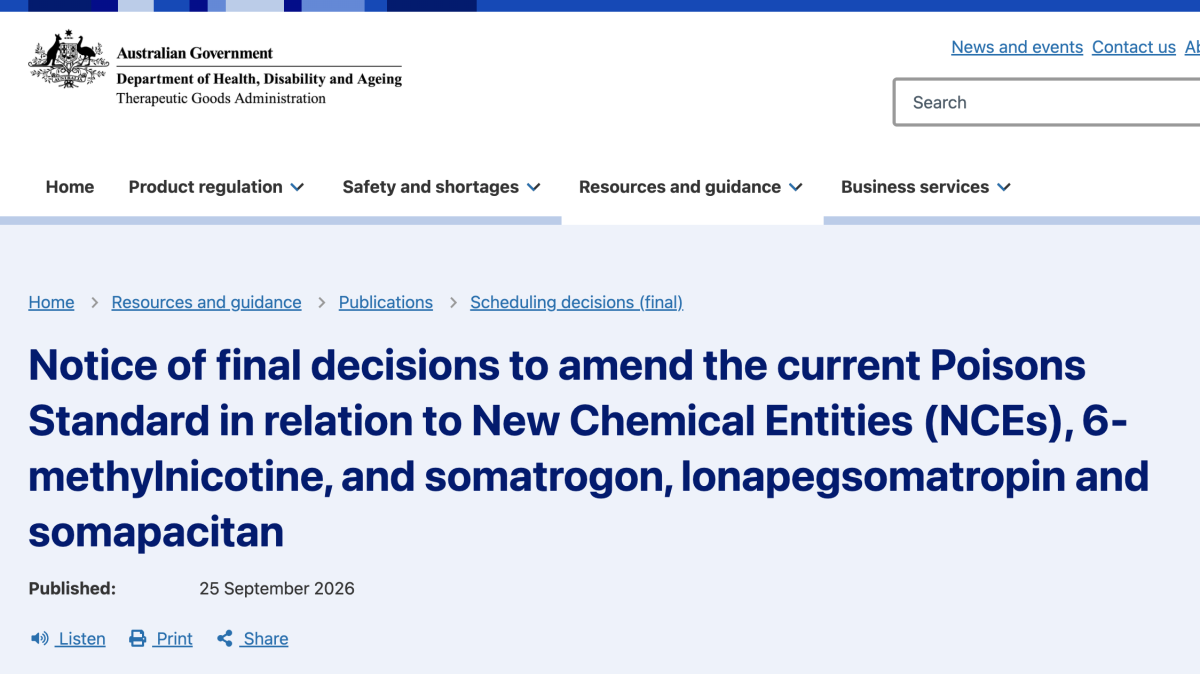
Australia's Therapeutic Goods Administration published a final decision on September 25 to classify 6-methylnicotine as a Schedule 9 prohibited substance under the Poisons Standard, effective October 1, 2026. TGA said the chemical has been reported in e-cigarette liquids sold in Australia and marketed as nicotine-free or nicotine alternatives, while evidence also indicates its use in preparations such as oral pouches. The government originally proposed a Schedule 7 classification but ultimately adopted the stricter Schedule 9 designation, citing acute toxicity, dependence risk, use in unapproved consumer products and misleading marketing.
News
Sep.29 by 2Firsts Perspectives