Illinois Implements New Law to Ban Indoor E-Cig Use from January 1

Regulations by 2FIRSTS.ai
Dec.18.2023
Illinois Implements New Law to Ban Indoor E-Cig Use from January 1
Illinois is set to achieve its smoke-free goal with a new law effective January 1, 2023, banning indoor e-cigarette use.

According to a report by Newschannel20 on December 15, the state of Illinois in the United States is close to achieving its smoke-free goal, partly due to a new law set to take effect on January 1. The law prohibits the use of e-cigarettes inside public places.


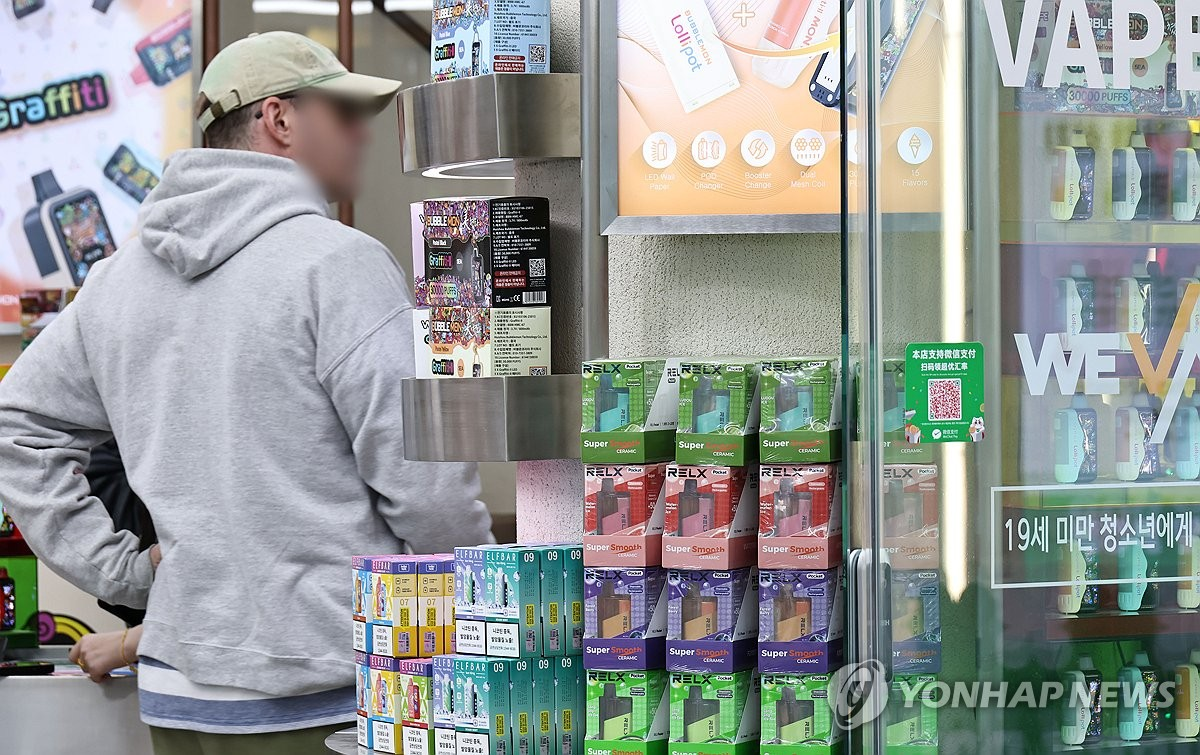
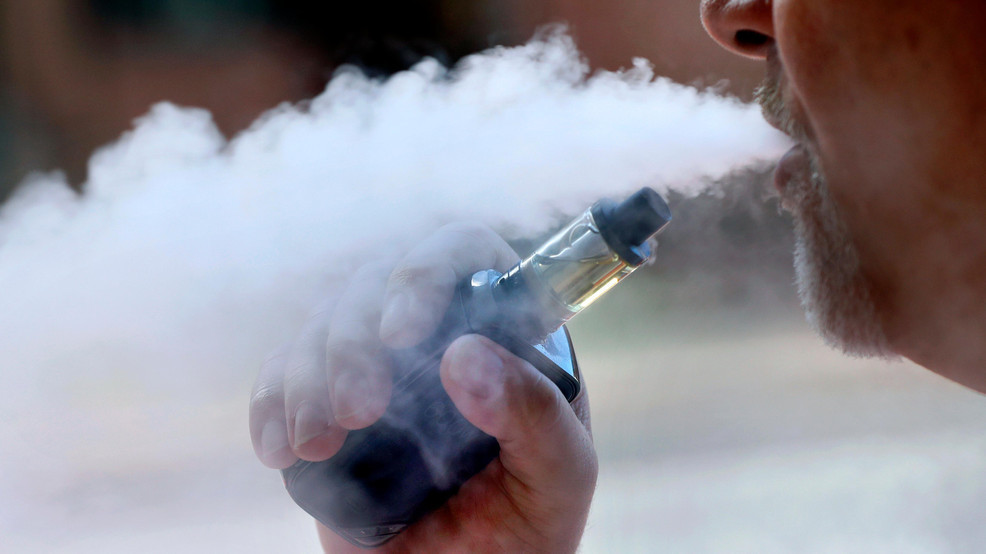
The e-cigarette, available in various forms, has become the most easily accessible addictive product for people to purchase, found in gas stations, e-cigarette shops, and online stores. Lake Forest Democrat, Morrison, voiced his views on this matter.


We have made substantial progress in reducing the positive perception of tobacco, and I am proud to announce that starting from January 1st next year, the use of e-cigarettes will be banned indoors.


The "Illinois Smoke-Free Act" passed in 2007 prohibits smoking in most public places and within 15 feet of entrances, with the requirement of displaying "no smoking" signs. However, when this law came into effect, people primarily smoked traditional cigarettes and cigars.


In recent years, the usage and popularity of e-cigarettes have been increasing, particularly among secondary school students. According to recent reports, this has led to the inclusion of this product in the "Illinois Smoke-Free Act" through House Bill 1540, which was signed into law by Governor JB Pritzker on July 28, 2023.


The Illinois Advocacy Director of the American Lung Association, Kristina Hamilton, has expressed concerns regarding the harmful and potentially hazardous chemicals found in secondhand e-cigarette vapor. In recent years, there has been a significant increase in the use of e-cigarettes, with tobacco companies targeting younger individuals with appealing flavors. Expanding Illinois' landmark smoke-free law will help reduce the negative impact of e-cigarettes on our community.


Bill 1540 in the House of Representatives will come into effect on January 1st.


We welcome news tips, article submissions, interview requests, or comments on this piece.

Please contact us at info@2firsts.com, or reach out to Alan Zhao, CEO of 2Firsts, on LinkedIn


Notice

1.  This article is intended solely for professional research purposes related to industry, technology, and policy. Any references to brands or products are made purely for objective description and do not constitute any form of endorsement, recommendation, or promotion by 2Firsts.

2.  The use of nicotine-containing products — including, but not limited to, cigarettes, e-cigarettes, nicotine pouchand heated tobacco products — carries significant health risks. Users are responsible for complying with all applicable laws and regulations in their respective jurisdictions.

3.  This article is not intended to serve as the basis for any investment decisions or financial advice. 2Firsts assumes no direct or indirect liability for any inaccuracies or errors in the content.

4.  Access to this article is strictly prohibited for individuals below the legal age in their jurisdiction.


Copyright


This article is either an original work created by 2Firsts or a reproduction from third-party sources with proper attribution. All copyrights and usage rights belong to 2Firsts or the original content provider. Unauthorized reproduction, distribution, or any other form of unauthorized use by any individual or organization is strictly prohibited. Violators will be held legally accountable.

For copyright-related inquiries, please contact: info@2firsts.com


AI Assistance Disclaimer


This article may have been enhanced using AI tools to improve translation and editorial efficiency. However, due to technical limitations, inaccuracies may occur. Readers are encouraged to refer to the cited sources for the most accurate information.

We welcome any corrections or feedback. Please contact us at: info@2firsts.com

Senate Democrat Wyden Probes Trump Administration Vape Policy Shift, Seeks Records From HHS and Reynolds American
U.S. Senator Ron Wyden, the Democratic ranking member of the Senate Finance Committee, has launched an investigation into flavored vape policy changes and requested records from the Department of Health and Human Services (HHS), Reynolds American and Botanic Tonics. The investigation focuses on a timeline involving Reynolds American’s $5 million donation to MAGA Inc. in April 2026 and subsequent vape policy developments. Wyden said the review aims to examine potential links between political donations, corporate communications and government decisions. The investigation does not represent a finding of wrongdoing.
Innovation
Aug.07 by 2Firsts Perspectives
South Korea Vape Strategies Diverge as BAT Reconsiders Exit and PMI Takes VEEV to About 14,000 Stores
BAT Rothmans says it previously considered exiting South Korea's vaping market because of competitive pressure from unregulated products, but is now reassessing conditions following changes to the country's nicotine regulatory framework. Vuse and other BAT vaping products remain available through existing distribution channels. The statement followed a South Korean media report that interpreted BAT's broader withdrawal from selected Vapour markets as a full exit from South Korea. Meanwhile, Philip Morris International launched VEEV inPRIME in the country in June and began expanding distribution to around 14,000 convenience stores and other retail channels in July. The contrasting moves highlight differing investment strategies as South Korea's regulated vaping market evolves.
Aug.14
Hawaii Restricts Vape Sales to FDA-Authorized Products, Disposable E-Cigarettes to Be Banned
Hawaii has enacted two new e-cigarette laws that significantly tighten market access requirements, requiring products to meet FDA authorization standards and banning disposable e-cigarette sales starting in 2027.
Jul.08
FDA Authorizes Four More Nicotine Pouches as Review Pilot Expands Beyond Initial Decisions
The FDA has authorized four additional on! nicotine pouches, bringing the U.S. total to 30. The decision marks another outcome of the agency’s nicotine pouch review pilot, whose communication and review practices are now being applied more broadly across the category. It also extends Helix’s authorized portfolio from on! PLUS to the earlier on! line. Yet all FDA-authorized nicotine pouches still come from subsidiaries of PMI or Altria, underscoring how concentrated U.S. regulatory access remains.
Aug.05
Haypp Report Shows Nicotine Pouches Gaining Ground as a Vape Alternative in the UK
According to Haypp’s 2026 UK Nicotine Report, nicotine pouches are increasingly replacing both cigarettes and vaping. The UK market grew sharply, with Haypp and Northerner reporting a 60% year‑on‑year sales increase in 2025. Notably, 40% of users adopted pouches to quit vaping, nearly matching the 43% who used them to stop smoking. This indicates pouches are expanding beyond traditional smoking cessation and gaining traction among adults seeking non‑inhalable nicotine alternatives.
Jul.01
Global Tobacco Control Faces Regional Adaptation Test as Nicotine Markets Evolve, Asian Specialist Says
As e-cigarettes, heated tobacco products and nicotine pouches expand across global markets, a central question is gaining urgency: can tobacco control rely on a universal policy model? In an interview with 2Firsts, Asian public health and addiction medicine specialist Dr. Rashidi Mohamed bin Pakri Mohamed says Western experience remains relevant, but policies must be adapted to local culture, healthcare systems, enforcement capacity, illicit markets and clinical evidence.
Jul.08