The number of electronic cigarette users in Ireland is on the rise, and new research indicates that the average age of young people starting to use e-cigarettes is between 13 and 15 years old.
Katelyn Benson, a writer for the youth information website SpunOut, has reported that the youngest e-cigarette user she has heard of was just an eight-year-old child. "They would just go into the bathroom, puff on their e-cigarette, and blow out the smoke, then come out and the teachers wouldn't know because there's really no smell," she explained. "A lot of e-cigarettes are disposable, so after you've used a certain amount of puffs, you can just throw them away, which means a lot of these young people can actually do it secretly without their parents knowing," she added.
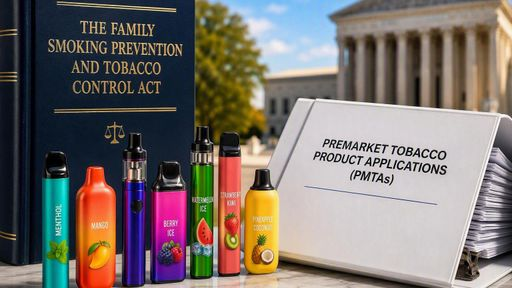
According to Ms. Benson, electronic cigarettes taste similar to candy and are not as expensive as a standard pack of cigarettes. Electronic cigarettes also have very colorful packaging. Research conducted by the Irish Tobacco Free Research Institute in secondary schools shows that the percentage of teenagers who use electronic cigarettes has increased from 23% in 2014 to 39% in 2019.
Luke Clancy, the director of the research institute, stated that the main reasons given by these teenagers were curiosity and their peers smoking. "The era of Irish teenagers smoking has been reversed, and we believe that e-cigarettes could have a significant impact in this regard," he said.
In a recent survey, nearly 70% of teenagers reported that they had never used tobacco products before trying electronic cigarettes. According to Professor Kranz, electronic cigarettes pose many potential dangers for young people.
No matter the intensity, the developing brain - which is still immature - will suffer from the detrimental effects of nicotine. Nicotine directly affects the brain and can have harmful consequences," he said.
The solution he proposed to address the issue of electronic cigarettes among teenagers includes age restrictions and public education on the potential risks associated with e-cigarette products.
Statement
This article was compiled from third-party information and is intended for industry-related exchange and learning purposes only.
This article does not represent the views of 2FIRSTS and 2FIRSTS cannot confirm the authenticity and accuracy of the content of the article. The compilation of this article is intended only for industry discussion and research.
Due to limitations in translation skills, the translated article may not completely match the original expression. Please refer to the original article for accuracy.
2FIRSTS maintains complete alignment with the Chinese government on any statements or positions related to domestic issues, issues involving Hong Kong, Macau, and Taiwan, as well as foreign matters.
The copyright of the compiled information belongs to the original media source and author. If there is any infringement, please contact for removal.
Disclaimer
This article is provided solely for professional research, industry discussion, and informational purposes. Any references to brands, companies, products, technologies, or policies are made for factual reporting and analytical purposes only, and do not constitute endorsement, recommendation, promotion, or advertising by 2Firsts.
Nicotine-containing products, including but not limited to cigarettes, e-cigarettes, heated tobacco products, and nicotine pouches, carry significant health risks. Readers are responsible for complying with all applicable laws and regulations in their respective jurisdictions, including age restrictions and access limitations.
The information contained in this article should not be regarded as investment, legal, medical, regulatory, or commercial advice. While 2Firsts strives to ensure the accuracy and reliability of its content, it does not assume liability for any direct or indirect loss arising from errors, omissions, inaccuracies, or reliance on the information contained herein.
This article is not intended for individuals below the legal age for accessing tobacco or nicotine-related information in their jurisdiction.
Copyright Notice
This article is either original content produced by 2Firsts or content reproduced, translated, summarized, or adapted from third-party sources with attribution where applicable. The intellectual property rights of the original content remain with 2Firsts or the respective original rights holders.
No individual or organization may copy, reproduce, distribute, republish, modify, translate, or otherwise use this content without prior authorization. Any unauthorized use may result in legal action.
For copyright-related inquiries, corrections, or removal requests, please contact: info@2firsts.com.
AI-Assisted Translation and Editing Notice
Portions of this article may have been translated, edited, or reviewed with the assistance of artificial intelligence tools to improve efficiency and readability. Due to the limitations of AI-assisted translation and editing, discrepancies, omissions, or inaccuracies may exist when compared with the original source.
Where applicable, readers are advised to refer to the original source for the most complete and accurate information. If you identify any errors or believe that any content infringes upon your rights, please contact us at info@2firsts.com, and we will review and address the matter promptly.