Increasing Support for Smoke-free Alternatives among Serbian Consumers

Aug.29.2024
Increasing Support for Smoke-free Alternatives among Serbian Consumers
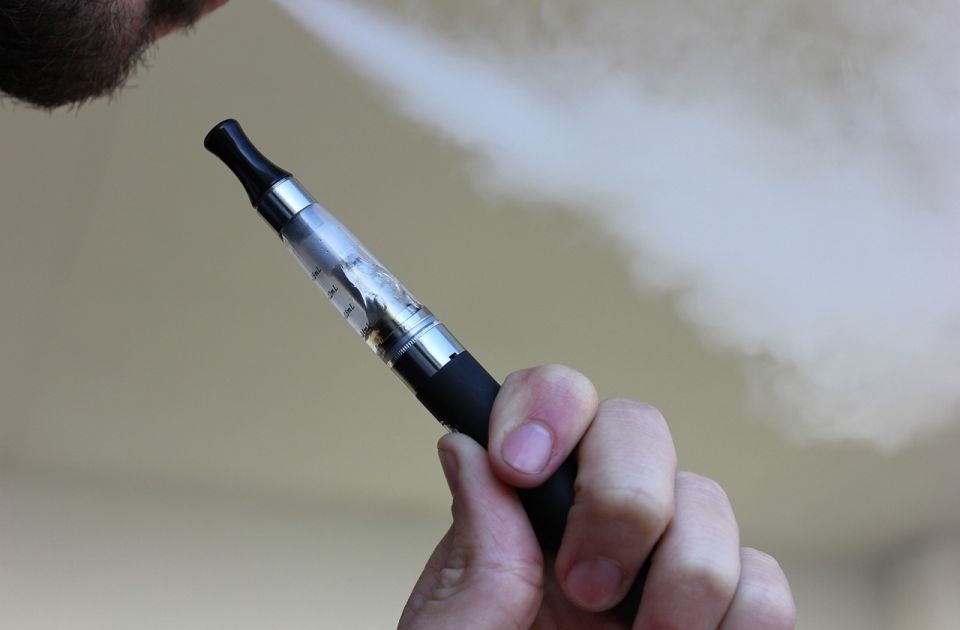
Serbian consumers increasingly believe smoking bans are necessary, but many think smokeless devices should be exempt.

According to a report from 021.RS on August 28, the Serbian National Consumer Organization (NOPS) has noted a significant increase in the number of people who believe that a smoking ban is necessary. However, many individuals argue that smoke-free smoking devices should be exempt from the ban.


According to a press release from NOPS, the results of the third survey on alternative tobacco and nicotine products show that last year, 23% of respondents believed that the use of smokeless smoking devices should be allowed. This year, that percentage has risen to 63%, with individuals believing that these devices should be allowed for use even in restaurants and cafes where smoking is prohibited.


Marko Dragić, a member of the organization, stated that these "rather contradictory results" indicate that consumers, whether smokers or non-smokers, lack sufficient relevant information about these products.


A study conducted by NOPS surveyed 2,000 participants and found that 18% of respondents used heated tobacco products, while approximately 5% used e-cigarettes.


We welcome news tips, article submissions, interview requests, or comments on this piece.

Please contact us at info@2firsts.com, or reach out to Alan Zhao, CEO of 2Firsts, on LinkedIn


Notice

1.  This article is intended solely for professional research purposes related to industry, technology, and policy. Any references to brands or products are made purely for objective description and do not constitute any form of endorsement, recommendation, or promotion by 2Firsts.

2.  The use of nicotine-containing products — including, but not limited to, cigarettes, e-cigarettes, nicotine pouchand heated tobacco products — carries significant health risks. Users are responsible for complying with all applicable laws and regulations in their respective jurisdictions.

3.  This article is not intended to serve as the basis for any investment decisions or financial advice. 2Firsts assumes no direct or indirect liability for any inaccuracies or errors in the content.

4.  Access to this article is strictly prohibited for individuals below the legal age in their jurisdiction.


Copyright


This article is either an original work created by 2Firsts or a reproduction from third-party sources with proper attribution. All copyrights and usage rights belong to 2Firsts or the original content provider. Unauthorized reproduction, distribution, or any other form of unauthorized use by any individual or organization is strictly prohibited. Violators will be held legally accountable.

For copyright-related inquiries, please contact: info@2firsts.com


AI Assistance Disclaimer


This article may have been enhanced using AI tools to improve translation and editorial efficiency. However, due to technical limitations, inaccuracies may occur. Readers are encouraged to refer to the cited sources for the most accurate information.

We welcome any corrections or feedback. Please contact us at: info@2firsts.com

Alabama SB9 would treat vaping like smoking under indoor public-space restrictions
Alabama’s Senate Bill 9 would modernize the state’s indoor air quality laws by treating electronic nicotine delivery systems, including e-cigarettes and vape pens, the same as traditional tobacco smoking in indoor public spaces. Sponsored by Sen.
Jan.05 by 2FIRSTS.ai
Russia’s Federation Council Approves Ban on Vape and Cigarette Sales at Transport Stops
Russia’s Federation Council has approved a law banning the sale of all nicotine-containing products, including cigarettes and e-cigarettes, at urban and suburban public transport stops. The law includes an exemption for cases where a retail outlet at a stop is the only point of sale in a locality. The legislation will come into force on September 1, 2026.
Dec.19 by 2FIRSTS.ai
Police dismantle a network of 50+ stores selling unmarked nicotine products in the Moscow region
TASS reported that police dismantled a distribution network in the Moscow region selling nicotine-containing products, e-cigarettes and vapes without mandatory markings, with organizers earning more than 10 million rubles per month (more than about $130,000). Interior Ministry spokesperson Irina Volk said some items were labeled with counterfeit identification tools of the Chestny Znak system, while others had no codes.
Dec.30 by 2FIRSTS.ai
Novosibirsk Governor: Targeted Vape Restrictions More Effective Than Full Ban
Novosibirsk Region Governor Andrey Travnikov said during a live Q&A session that local authorities have no plans to impose a full ban on the sale of vapes and disposable e-cigarettes. He argued that a regional ban would be ineffective and could encourage gray market activity and cross-border resale.
Dec.12 by 2FIRSTS.ai
Breaking News | China Deploys Full-Chain Crackdown on Illicit Tobacco, Enforcement Storm Looms for Illegal Tobacco and E-Cigarettes
China has issued a high-level directive to crack down on illicit tobacco activities, bringing e-cigarettes and nicotine pouches under tighter enforcement. The move follows a Premier-led meeting and underscores stepped-up oversight across the tobacco supply chain, amid the sector’s continued fiscal importance.
Dec.18
COP11 Concludes with Major Decisions on Global Tobacco Control
The Eleventh Session of the Conference of the Parties (COP11) to the WHO Framework Convention on Tobacco Control (FCTC) concluded in Geneva on November 22, with 160 Parties adopting major decisions on tobacco and nicotine regulation, environmental protection, sustainable financing, and tobacco industry liability. A landmark decision mandates a complete ban on the use and sale of tobacco and all novel nicotine products across all UN premises worldwide.
Nov.24 by 2FIRSTS.ai