Indonesian e-cigarette liquid producer, Indo Emkay Abadi, has set a target to reach a domestic component level (TKDN) of 70% in its e-cigarette liquid products. Chief Marketing Officer (CMO) at Indo Emkay Abadi, Eko HC, stated that initially only 30% of the TKDN was produced in their products. However, the company that produces the Emkay Brewer brand liquid has gradually increased TKDN to 50-60% this year.
Our goal for next year is to achieve a 70% local content requirement. In fact, some of our products have already reached 70% this year," he explained on Thursday, August 12, 2022.
He continued by saying that the efforts to increase TKDN were carried out by searching for local component manufacturers and inviting them to collaborate.
This year, manufacturers have started incorporating locally sourced ingredients into their nicotine products.
He also explained that his political party plans to increase production by 20% next year.
He explained that despite great market potential, the quantity is moderate. This year, Emkay's maximum production capacity is 400,000 bottles, placing them among the top three tobacco producers in Indonesia.
He stated that this number was intentionally set for multiple reasons, such as the fact that the economy is still in a period of recovery and nearing an election year.
At present, the policies regarding alternatives to traditional cigarettes or e-cigarettes remain unclear. Due to government changes, we are still cautious about potential policy changes in the e-cigarette industry and other related areas," said Eko.
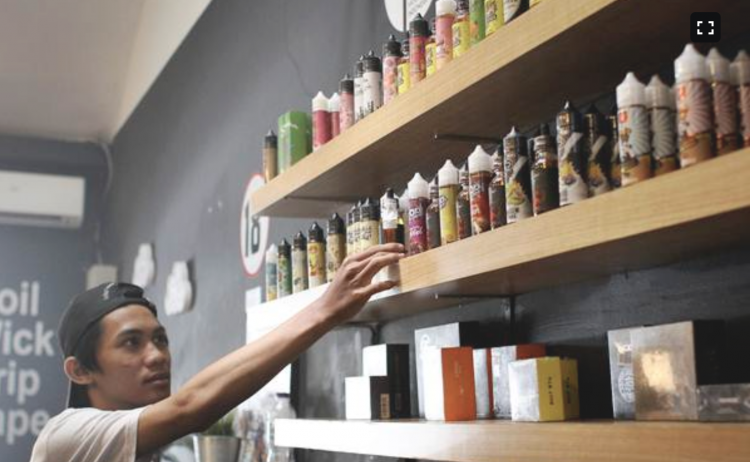
In addition to complying with TKDN regulations and increasing production, Emkay also plans to enhance its market penetration by expanding the number of Emkay Stores and entering various sectors such as office and commercial areas.
This year, Emkay Store has reached 100 stores and is expected to expand to 800-1000 stores. The target areas for expansion include Kalimantan, Sumatra, Bali, and Nusa Tenggara.
This year, our stores are spread across Java and Sumatra. We deliberately use this concept because we aim to increase small-scale retailers' business," he explained.
On Thursday afternoon, Emkay Brewer visited his factory in the Taman Tekno area of South Danglang, showcasing the factory's condition and the domestically produced components used in production.
2FIRSTS will continue to follow this issue and provide updates on the "2FIRSTSAPP". Scan the QR code below to download the app for further information.
Disclaimer
This article is provided solely for professional research, industry discussion, and informational purposes. Any references to brands, companies, products, technologies, or policies are made for factual reporting and analytical purposes only, and do not constitute endorsement, recommendation, promotion, or advertising by 2Firsts.
Nicotine-containing products, including but not limited to cigarettes, e-cigarettes, heated tobacco products, and nicotine pouches, carry significant health risks. Readers are responsible for complying with all applicable laws and regulations in their respective jurisdictions, including age restrictions and access limitations.
The information contained in this article should not be regarded as investment, legal, medical, regulatory, or commercial advice. While 2Firsts strives to ensure the accuracy and reliability of its content, it does not assume liability for any direct or indirect loss arising from errors, omissions, inaccuracies, or reliance on the information contained herein.
This article is not intended for individuals below the legal age for accessing tobacco or nicotine-related information in their jurisdiction.
Copyright Notice
This article is either original content produced by 2Firsts or content reproduced, translated, summarized, or adapted from third-party sources with attribution where applicable. The intellectual property rights of the original content remain with 2Firsts or the respective original rights holders.
No individual or organization may copy, reproduce, distribute, republish, modify, translate, or otherwise use this content without prior authorization. Any unauthorized use may result in legal action.
For copyright-related inquiries, corrections, or removal requests, please contact: info@2firsts.com.
AI-Assisted Translation and Editing Notice
Portions of this article may have been translated, edited, or reviewed with the assistance of artificial intelligence tools to improve efficiency and readability. Due to the limitations of AI-assisted translation and editing, discrepancies, omissions, or inaccuracies may exist when compared with the original source.
Where applicable, readers are advised to refer to the original source for the most complete and accurate information. If you identify any errors or believe that any content infringes upon your rights, please contact us at info@2firsts.com, and we will review and address the matter promptly.