Key Points:
·Transnational Smuggling: Indonesia intercepted 80 milliliters of synthetic cannabis and vape pods from Malaysia, and 3 kilograms of ketamine powder from France.
·Disguised as E-Cigarettes: The drugs were disguised as e-cigarettes in an attempt to evade detection.
·New Psychoactive Substances: The circulation of new psychoactive substances is accelerating in Indonesia, posing a threat to public health.
·Strengthening Regulations: The head of the Indonesian National Narcotics Agency (BNN) called for relevant regulations to address the threat of new types of drugs.
·Follow-up Actions: The BNN has searched and tested various e-cigarette brands, finding some samples containing drug components.
According to a report on August 22, the Indonesian National Narcotics Agency (BNN) revealed that a new type of drug disguised as an e-cigarette has appeared in the form of e-cigarettes. This began when law enforcement officers intercepted illegal shipments from Malaysia and France.
The Director of the Indonesian National Narcotics Agency, Martinus Hukom, has stated that they successfully prevented the transportation of 80 milliliters of synthetic cannabinoid substances MDMB-4en-PINACA and POD from Malaysia to West Java province.
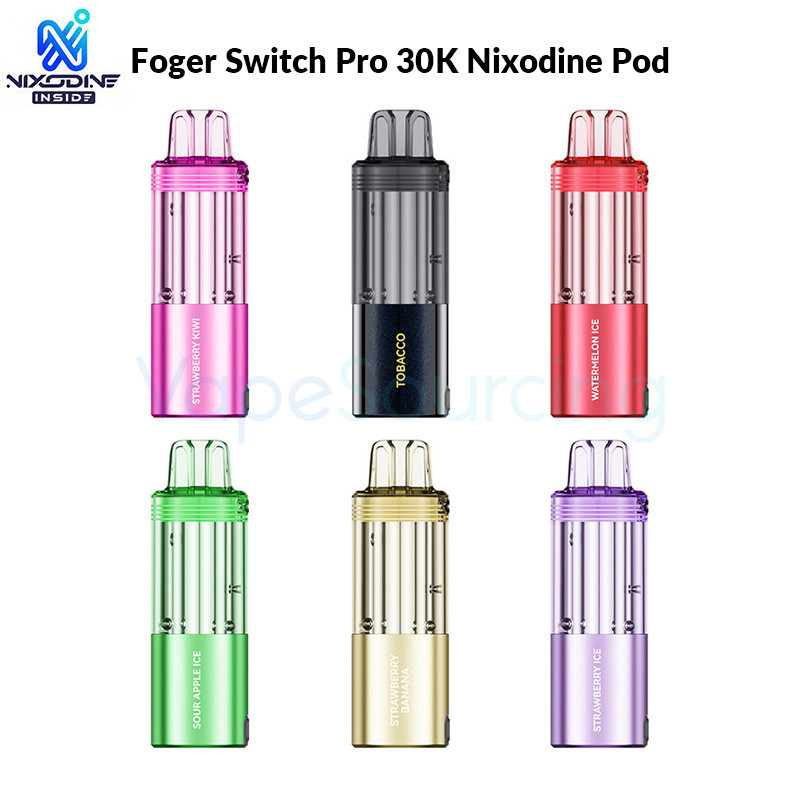
In addition, the Anti-Drug Bureau also uncovered a drug trafficking case involving 3 kilograms of ketamine powder being transported from France to West Java's Majalengka district. The ketamine powder is suspected to be used as a material for e-liquid. In this case, law enforcement officers also discovered 1860 electronic pods.
Matinicus stated at a press conference on August 23: "The discovery of these cases indicates that the development of new psychoactive substances is increasing rapidly and starting to circulate on a large scale in Indonesia.
Therefore, the Director of the Indonesian National Narcotics Agency stated that regulations regarding new psychoactive substances used in e-cigarette mixtures are urgently needed to protect the public from potential harm.
During the same event, Indonesian National Anti-Drug Agency acting Deputy Director Budi Wibowo explained that the agency, in collaboration with Customs and Tax authorities, discovered a drug shipment from Malaysia on August 7, 2025.
Later, the group delivered the goods to the designated address in the Pandeglang area of Banten province, and successfully apprehended two suspects on August 9th," he said.
At the same time, a case of illegal parcels from France was uncovered by law enforcement on August 19, 2025. Following the disclosure of the case, two suspects, codenamed JA and XZ, were arrested by the drug enforcement bureau.
Law enforcement officers discovered 1860 pods containing methamphetamine in the suspect's home in West End, according to Buddi.
As a follow-up action to the case disclosure, the Anti-Drug Bureau has conducted searches and collected various brands of e-cigarettes circulating in Indonesia. Hundreds of samples were then tested in the Anti-Drug Bureau laboratory.
Approximately 187 samples have been tested, with results for 107, and 80 still in progress at the laboratory," he said.
We welcome news tips, article submissions, interview requests, or comments on this piece.
Please contact us at info@2firsts.com, or reach out to Alan Zhao, CEO of 2Firsts, on LinkedIn
Notice
1. This article is intended solely for professional research purposes related to industry, technology, and policy. Any references to brands or products are made purely for objective description and do not constitute any form of endorsement, recommendation, or promotion by 2Firsts.
2. The use of nicotine-containing products — including, but not limited to, cigarettes, e-cigarettes, nicotine pouchand heated tobacco products — carries significant health risks. Users are responsible for complying with all applicable laws and regulations in their respective jurisdictions.
3. This article is not intended to serve as the basis for any investment decisions or financial advice. 2Firsts assumes no direct or indirect liability for any inaccuracies or errors in the content.
4. Access to this article is strictly prohibited for individuals below the legal age in their jurisdiction.
Copyright
This article is either an original work created by 2Firsts or a reproduction from third-party sources with proper attribution. All copyrights and usage rights belong to 2Firsts or the original content provider. Unauthorized reproduction, distribution, or any other form of unauthorized use by any individual or organization is strictly prohibited. Violators will be held legally accountable.
For copyright-related inquiries, please contact: info@2firsts.com
AI Assistance Disclaimer
This article may have been enhanced using AI tools to improve translation and editorial efficiency. However, due to technical limitations, inaccuracies may occur. Readers are encouraged to refer to the cited sources for the most accurate information.
We welcome any corrections or feedback. Please contact us at: info@2firsts.com