On April 13th, 2FIRSTS Moscow news center interviewed Andrey Chervov, founder of the Russian nicotine production company NICTON, regarding the "Russian ban on flavor additives" issue.
NICTON is a leading manufacturer and distributor of tobacco products in Russia, producing brands such as cigarettes and chewing tobacco. In 2019, NICTON captured 80% of the market share in the nicotine industry in Russia.
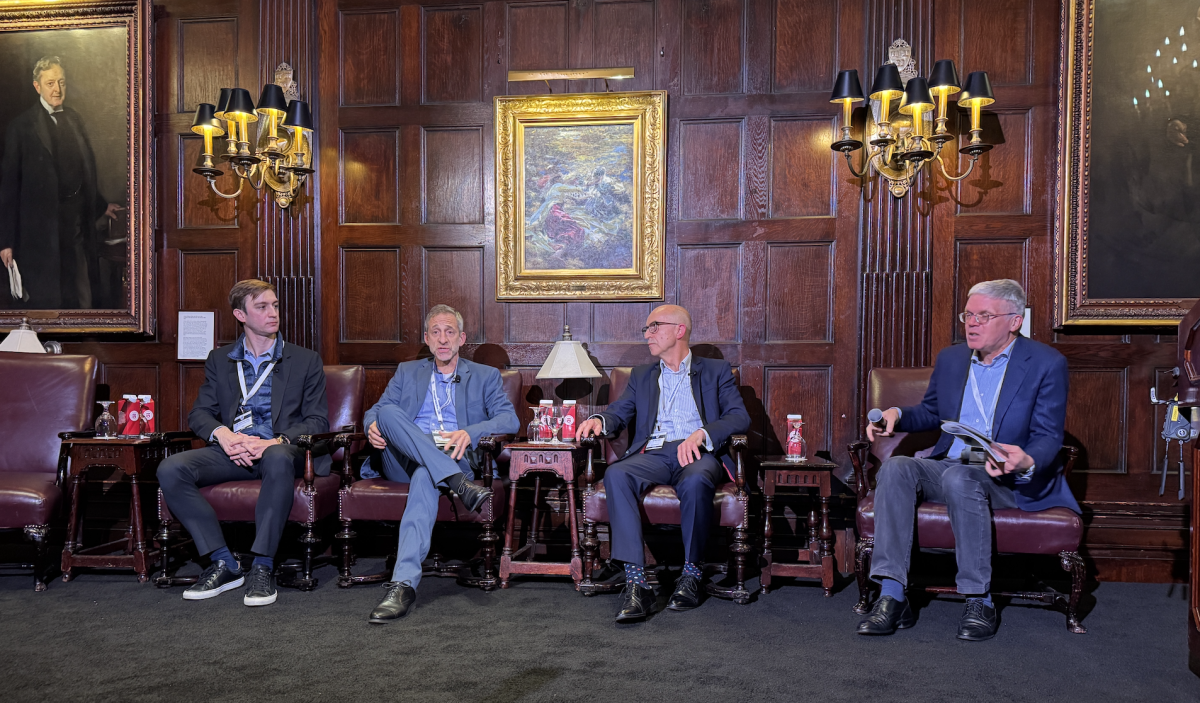
The CEO of NICTON, Andrei Chervov (pictured left), met with the Vice President of 2FIRSTS in Russia, Xu Minghao (pictured right). The photo was sourced from the 2FIRSTS Moscow news center.
Currently, Russia is the fourth largest market for electronic cigarettes worldwide and is also a key destination for Chinese e-cigarette manufacturers looking to expand abroad. Andrei has observed the performance of the Russian market in recent years and found that "the e-cigarette market in Russia is growing rapidly, and consumer demand is consistently high.
He hopes to utilize his existing sales network resources to exclusively represent well-known brands or create new e-cigarette brands in order to seize the market.
In response to the "ban on seasoning additives" incident, 2FIRSTS sought Andre's opinion. He stated that he cannot speak on behalf of the government, but regarding the ban itself...
He believes that,
There is some room for regulation because the implementation of regulations and market transformation is a gradual process that requires a lot of related laws and management systems.
The only thing that can currently be certain is that the trend towards regulatory compliance in the e-cigarette market is irreversible.
At the same time, he believes that the "e-cigarette regulation" in Russia, while unable to determine its future direction, is not bad news for the company. He said, "This is good news, as the government has the authority to monitor and list the relevant ingredient lists.
Regarding the list of ingredients, he stated that he, like everyone else, knows nothing about the contents. "There may be some seasonings that are not allowed to be sold added tomorrow, but currently, no one knows when the list will be released.
He told 2FIRSTS that companies can prepare for electronic cigarette regulations. The government is currently taking a strict regulatory approach, but it is unlikely that they will completely ban them in the near future as this goes against their initial intentions.
Currently, the government aims to regulate the market gradually and turn it into a state that can be monitored by the authorities, rather than strictly banning it altogether. The focus of this regulation is geared towards prohibiting the sale of e-cigarettes to minors, rather than specifically targeting adult consumers.
Andrei believes that the "electronic cigarette regulation policies" will not affect his nicotine company as a manufacturer, as he sees no difference whether customers buy from small shops or supermarkets. The market for nicotine consumption ranges from small vendors to regular electronic cigarette stores or tobacco shops, and even to large supermarkets. This helps to make the tobacco and alcohol industry more legal, as these large supermarkets are subject to strict regulations, including their channels.
For me, strengthening regulations is a good thing.
2FIRSTS will continue to follow the story of Russia's "flavoring ban" and provide further updates. Stay tuned for more coverage.
Article: Update on the Ban on Flavored E-cigarettes in Russia and Expert Analysis (Click on the image below to jump to the article)
Expert Series Analysis:
Expert Analysis 1: Russian Flavor Ban Includes All E-Cigarette Products, Specific Additive Standards Await Disclosure.
Expert interpretation 2: Russia sets minimum retail price for electronic cigarettes to reduce demand for nicotine products.
Expert Analysis 3: Russia Proposes Online Ban and Offline Display Ban on Electronic Cigarettes, Effective June 1st.
Further reading:
Russian nicotine product manufacturers must apply for a license as the bill passed its first reading.
In one day, the ban on Russsian-style speech underwent three readings as outlined in the timeline and background of the legislation.
On September 1st, a ban on flavorings in e-cigarettes in Russia will come into effect. The full proposal is attached. On April 11th, Russia will hold its first discussion on a proposal to ban flavored e-cigarettes.
Russia proposes maximum fine of 500,000 rubles for selling e-cigarettes to minors.
What is the progress of the taste ban in Russia's legislative process? Here is an overview.
Disclaimer
This article is provided solely for professional research, industry discussion, and informational purposes. Any references to brands, companies, products, technologies, or policies are made for factual reporting and analytical purposes only, and do not constitute endorsement, recommendation, promotion, or advertising by 2Firsts.
Nicotine-containing products, including but not limited to cigarettes, e-cigarettes, heated tobacco products, and nicotine pouches, carry significant health risks. Readers are responsible for complying with all applicable laws and regulations in their respective jurisdictions, including age restrictions and access limitations.
The information contained in this article should not be regarded as investment, legal, medical, regulatory, or commercial advice. While 2Firsts strives to ensure the accuracy and reliability of its content, it does not assume liability for any direct or indirect loss arising from errors, omissions, inaccuracies, or reliance on the information contained herein.
This article is not intended for individuals below the legal age for accessing tobacco or nicotine-related information in their jurisdiction.
Copyright Notice
This article is either original content produced by 2Firsts or content reproduced, translated, summarized, or adapted from third-party sources with attribution where applicable. The intellectual property rights of the original content remain with 2Firsts or the respective original rights holders.
No individual or organization may copy, reproduce, distribute, republish, modify, translate, or otherwise use this content without prior authorization. Any unauthorized use may result in legal action.
For copyright-related inquiries, corrections, or removal requests, please contact: info@2firsts.com.
AI-Assisted Translation and Editing Notice
Portions of this article may have been translated, edited, or reviewed with the assistance of artificial intelligence tools to improve efficiency and readability. Due to the limitations of AI-assisted translation and editing, discrepancies, omissions, or inaccuracies may exist when compared with the original source.
Where applicable, readers are advised to refer to the original source for the most complete and accurate information. If you identify any errors or believe that any content infringes upon your rights, please contact us at info@2firsts.com, and we will review and address the matter promptly.