Key Points
- The tax burden on a 20-cigarette pack in the most popular price category increased by €1 from Oct. 7, 2026.
- Revenue's new tobacco rates set the specific cigarette duty at €520.88 per 1,000 cigarettes plus 8.67% of the retail selling price.
- Ireland plans to increase E-liquid Products Tax from €0.50/ml to €0.70/ml from Jan. 1, 2027, a 40% rise.
- EPT is volume-based and applies to both nicotine-containing and nicotine-free e-liquids.
2Firsts
October 9, 2026
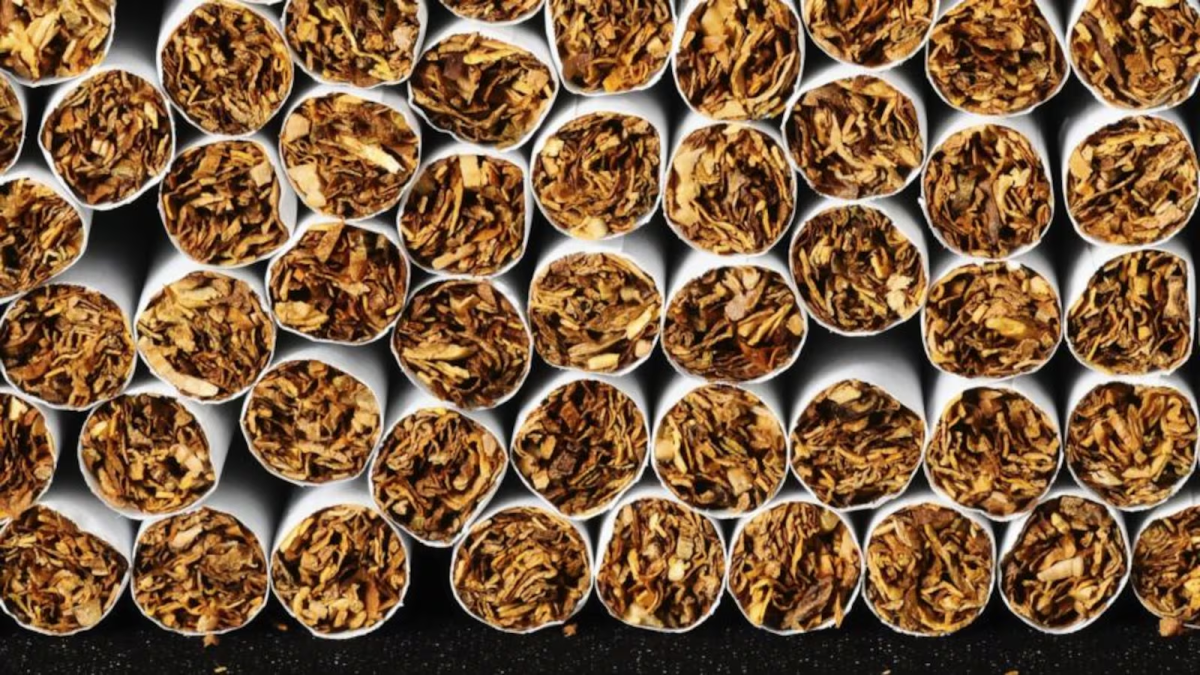
According to the Irish government's Budget 2027 measures and related financial resolutions considered by the Dáil on Oct. 6, Ireland increased tobacco excise from Oct. 7, adding €1 to the tax burden on a pack of 20 cigarettes in the most popular price category, with pro-rata increases on other tobacco products. The government also announced plans to raise E-liquid Products Tax from €0.50 to €0.70 per millilitre from Jan. 1, 2027.
Tánaiste and Minister for Finance Simon Harris presented Budget 2027 to the Dáil on Oct. 6. The tobacco increase was implemented through a financial resolution, while the higher e-liquid rate is a Budget 2027 measure planned for 2027 and has not yet replaced the €500-per-litre rate currently published by Revenue.
€1 Increase in Tax on a Pack of 20 Cigarettes
Budget 2027 increased the tax burden on a pack of 20 cigarettes in the most popular price category by €1, inclusive of VAT, with corresponding increases for other tobacco products.
Revenue's rates effective from Oct. 7 set the specific component of cigarette excise at €520.88 per 1,000 cigarettes plus an ad valorem charge of 8.67% of the retail selling price. The minimum excise is €570.73 per 1,000 cigarettes.
The new rates also set duty on cigars at €580.447 per kilogram, fine-cut tobacco for rolling cigarettes at €558.422 per kilogram and other smoking tobacco at €402.688 per kilogram.
When the tobacco financial resolution was presented in parliament, the government estimated the increase would generate about €63.1 million in a full year and approximately €5.1 million during the remainder of 2026.
Harris said the measure was intended to continue discouraging smoking, particularly among younger people.
E-Liquid Duty Planned to Rise From €0.50/ml to €0.70/ml
Budget 2027 also announced an increase in Ireland's E-liquid Products Tax, or EPT.
From Jan. 1, 2027, the government plans to add €0.20 per millilitre to the current rate, taking EPT from €0.50 to €0.70 per millilitre before VAT. That represents a 40% increase in the excise rate.
At the announced rate, the EPT charge on 2ml of e-liquid would rise from €1 to €1.40. The duty on 10ml would increase from €5 to €7.
Those figures represent the excise charge itself rather than the final retail-price increase. Shelf prices will also depend on VAT and pricing decisions by manufacturers, importers and retailers.
As of Oct. 8, Revenue's published current EPT rate remains €500 per litre, equivalent to €0.50 per millilitre.
Tax Covers Nicotine and Nicotine-Free E-Liquids
Ireland's EPT is based on e-liquid volume rather than nicotine content or concentration.
Revenue says the tax applies to e-liquids used in e-liquid inhalation products, covering both nicotine-containing and nicotine-free liquids. E-liquid used exclusively as a licensed nicotine-replacement medicine is outside the scope of the tax.
EPT becomes chargeable on the first supply of a taxable e-liquid product in Ireland. Producers and importers making that first supply are therefore typically responsible for accounting for and paying the tax.
Wholesalers and retailers making subsequent supplies of products sourced from an Irish producer or importer generally do not incur a second EPT liability on those transactions.
Rate Increase Announced Less Than a Year After EPT Took Effect
Ireland established EPT under the Finance Act 2024.
The legislation created an excise duty on e-liquids and defined taxable products to include both nicotine-containing and nicotine-free liquids capable of being used in e-cigarettes or other e-liquid inhalation products. The tax took effect on Nov. 1, 2025, at €500 per litre, or €0.50 per millilitre.
Budget 2027 announced the first rate increase around 11 months after implementation, with the new €0.70-per-millilitre rate planned from the start of 2027.
Before the Budget, Harris said the tax had generated more than €22 million in provisional revenue since its introduction.
Tobacco Duty Rises for Another Budget Year
Ireland has continued to increase tobacco duties through successive annual budgets.
Budget 2026 raised the tax burden on a pack of 20 cigarettes in the most popular price category by €0.50, effective Oct. 8, 2025. Budget 2027 has now added a further €1.
In presenting the latest tobacco measure, the government cited a decline in Ireland's daily smoking rate from 29% in 2007 to 17% in 2025 and continued to identify high tobacco taxation as a public-health tool intended to encourage cessation and discourage smoking initiation among younger people.
The Budget 2027 measures therefore tighten tax treatment across both combustible tobacco and vaping products: higher tobacco rates are already in force, while the next increase in e-liquid tax is planned for the beginning of 2027.
Follow 2Firsts for timely updates on global tobacco and nicotine regulations, market developments and industry trends.
Cover Image: Ireland Department of Finance
Disclaimer
This article is provided solely for professional research, industry discussion, and informational purposes. Any references to brands, companies, products, technologies, or policies are made for factual reporting and analytical purposes only, and do not constitute endorsement, recommendation, promotion, or advertising by 2Firsts.
Nicotine-containing products, including but not limited to cigarettes, e-cigarettes, heated tobacco products, and nicotine pouches, carry significant health risks. Readers are responsible for complying with all applicable laws and regulations in their respective jurisdictions, including age restrictions and access limitations.
The information contained in this article should not be regarded as investment, legal, medical, regulatory, or commercial advice. While 2Firsts strives to ensure the accuracy and reliability of its content, it does not assume liability for any direct or indirect loss arising from errors, omissions, inaccuracies, or reliance on the information contained herein.
This article is not intended for individuals below the legal age for accessing tobacco or nicotine-related information in their jurisdiction.
Copyright Notice
This article is either original content produced by 2Firsts or content reproduced, translated, summarized, or adapted from third-party sources with attribution where applicable. The intellectual property rights of the original content remain with 2Firsts or the respective original rights holders.
No individual or organization may copy, reproduce, distribute, republish, modify, translate, or otherwise use this content without prior authorization. Any unauthorized use may result in legal action.
For copyright-related inquiries, corrections, or removal requests, please contact: info@2firsts.com.
AI-Assisted Translation and Editing Notice
Portions of this article may have been translated, edited, or reviewed with the assistance of artificial intelligence tools to improve efficiency and readability. Due to the limitations of AI-assisted translation and editing, discrepancies, omissions, or inaccuracies may exist when compared with the original source.
Where applicable, readers are advised to refer to the original source for the most complete and accurate information. If you identify any errors or believe that any content infringes upon your rights, please contact us at info@2firsts.com, and we will review and address the matter promptly.