Macau Enacts E-Cigarette Ban to Curb Youth Vaping

Dec.04.2022
Macau Enacts E-Cigarette Ban to Curb Youth Vaping
Macau bans e-cigarettes, with penalties of up to MOP 200,000, to prevent young people from using them.

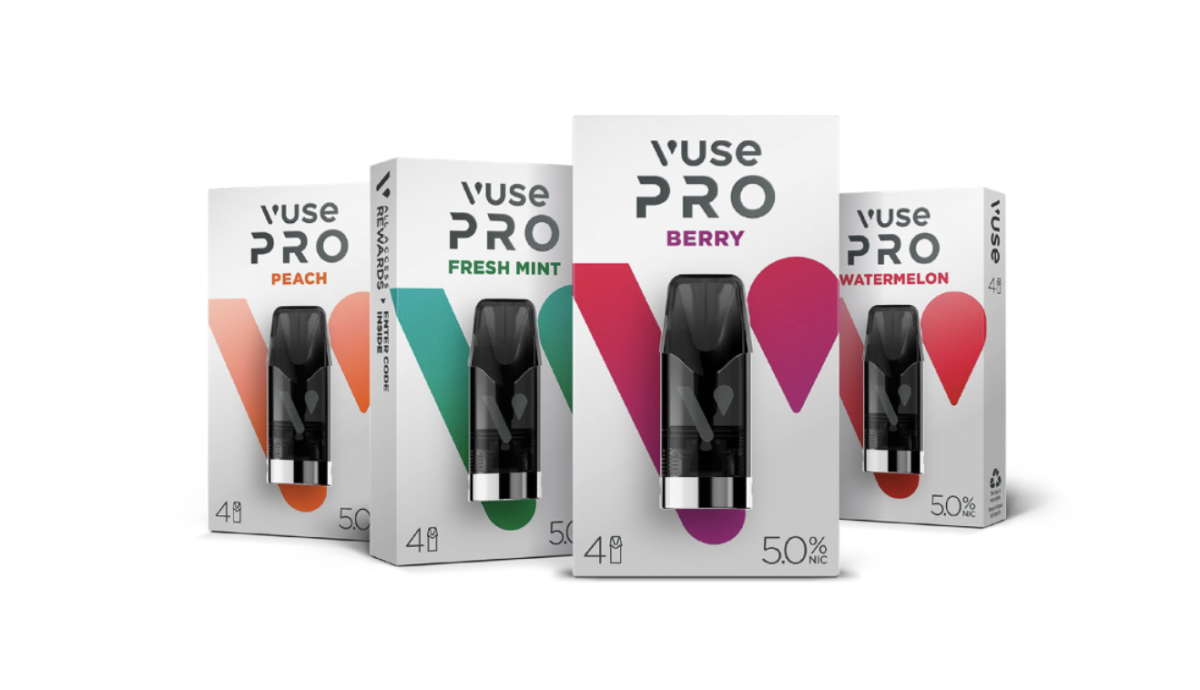
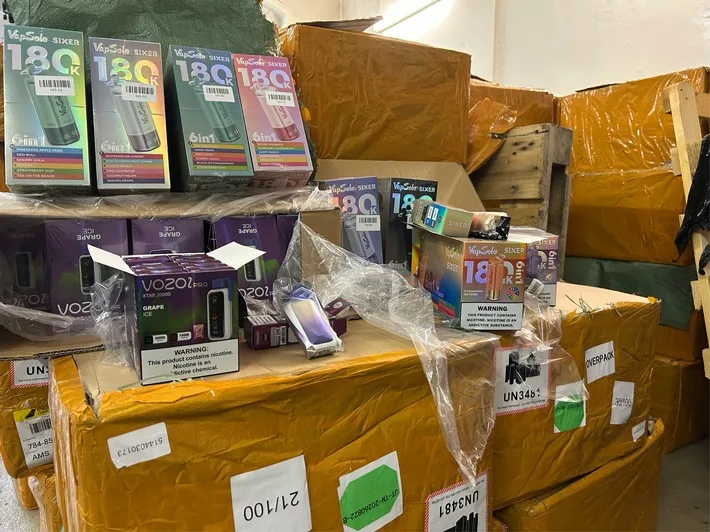
According to a report from Macau Business, China's Macau has officially implemented the electronic cigarette ban passed in August 2022, as of today, December 5th. The new law prohibits all activities related to the production, sale, distribution, import, and export of electronic cigarettes.


According to health authorities, individuals who use or carry electronic cigarettes will be considered criminals and their personal entities may face fines ranging from 20,000 Macau dollars (approximately 18,000 RMB) to 200,000 Macau dollars (approximately 175,000 RMB).


This ban aims to prevent young people from vaping.


2FIRSTS will continue to provide coverage of this issue, with updates available on the "2FIRSTSAPP" platform. Scan the QR code below to download the app.


Disclaimer

This article is provided solely for professional research, industry discussion, and informational purposes. Any references to brands, companies, products, technologies, or policies are made for factual reporting and analytical purposes only, and do not constitute endorsement, recommendation, promotion, or advertising by 2Firsts.

Nicotine-containing products, including but not limited to cigarettes, e-cigarettes, heated tobacco products, and nicotine pouches, carry significant health risks. Readers are responsible for complying with all applicable laws and regulations in their respective jurisdictions, including age restrictions and access limitations.

The information contained in this article should not be regarded as investment, legal, medical, regulatory, or commercial advice. While 2Firsts strives to ensure the accuracy and reliability of its content, it does not assume liability for any direct or indirect loss arising from errors, omissions, inaccuracies, or reliance on the information contained herein.

This article is not intended for individuals below the legal age for accessing tobacco or nicotine-related information in their jurisdiction.


Copyright Notice

This article is either original content produced by 2Firsts or content reproduced, translated, summarized, or adapted from third-party sources with attribution where applicable. The intellectual property rights of the original content remain with 2Firsts or the respective original rights holders.

No individual or organization may copy, reproduce, distribute, republish, modify, translate, or otherwise use this content without prior authorization. Any unauthorized use may result in legal action.

For copyright-related inquiries, corrections, or removal requests, please contact: info@2firsts.com.


AI-Assisted Translation and Editing Notice

Portions of this article may have been translated, edited, or reviewed with the assistance of artificial intelligence tools to improve efficiency and readability. Due to the limitations of AI-assisted translation and editing, discrepancies, omissions, or inaccuracies may exist when compared with the original source.

Where applicable, readers are advised to refer to the original source for the most complete and accurate information. If you identify any errors or believe that any content infringes upon your rights, please contact us at info@2firsts.com, and we will review and address the matter promptly.


Special Report | China’s Tobacco Tax Debate Shifts Toward Tax Design as Policy Trade-offs Come Into Focus
China’s tobacco tax debate is moving from whether to raise prices to how the tax system should be designed. At a Beijing forum on World No Tobacco Day, experts discussed higher specific excise taxes, minimum tax burdens and dynamic adjustments linked to income and inflation. The issue also connects to China’s broader consumption tax reform, health financing and chronic disease costs. Public reports did not mention e-cigarettes, heated tobacco, nicotine pouches or other new nicotine products.
Jun.11
BAT New Zealand Says Illicit Tobacco Trade Drove Nearly 29% Revenue Decline in 2025
British American Tobacco New Zealand said the illicit tobacco trade is responsible for its profit halving and revenue falling between the 2024 and 2025 financial years. Financial results filed with the Companies Office show that BAT Holdings (New Zealand) recorded 2025 revenue of NZ$180.7 million, or about US$106.95 million based on the European Central Bank’s April 27, 2026 reference rates, down from NZ$254 million, or about US$150.33 million, in 2024.
Apr.28 by 2FIRSTS.ai
Jeju Health Center to Apply Conventional Tobacco Rules to Liquid E-Cigarettes From April 24
Jeju Health Center said it will apply the same regulations used for conventional tobacco products to all tobacco products, including liquid e-cigarettes, from April 24, while also strengthening public guidance and smoke-free zone management.
Apr.21 by 2FIRSTS.ai
Australian State Targets Illegal Tobacco Retailers With Tougher Closure Powers
According to Reuters, Australia’s state of Victoria introduced legislation to give police and the state tobacco licensing regulator stronger powers to shut businesses selling illegal tobacco, with non-compliant operators facing fines of more than A$2.4 million and up to 20 years in prison.
Jun.05
 FDA Begins Review of 22nd Century’s VLN MRTP Renewal Applications
FDA Begins Review of 22nd Century’s VLN MRTP Renewal Applications
The U.S. Food and Drug Administration (FDA) has initiated scientific review of renewal applications for 22nd Century Group’s VLN reduced-nicotine cigarettes under the Modified Risk Tobacco Product (MRTP) pathway, with current authorizations set to expire in December 2026.
News
May.13
Bringing Tax and Insurance Into Nicotine Regulation: Insights From a Tobacco Harm-Reduction Report
A smoke-free nicotine policy report argues that tobacco harm reduction should move beyond product bans and health warnings into tax policy, insurance pricing and risk-based regulation. While some projections remain open to debate, the report highlights a wider challenge: nicotine products, technologies and consumer behavior have changed sharply over the past decade, and regulatory systems may need new tools to better align tobacco control with harm-reduction goals.
Jun.08