Key points:
·The Malaysian Crime Prevention Foundation (MCPF) supports the proposal by the Ministry of Health to nationwide ban the sale and use of e-cigarettes.
·The dangers of e-cigarettes are significant, with Malaysia already having 41 cases of lung injuries and estimated treatment costs reaching RM 369 million by the year 2030.
·There is a call to strengthen regulations through the Public Health (Control of Smoking Products) Act 2024, to crack down on illegal sales and enhance public awareness campaigns.
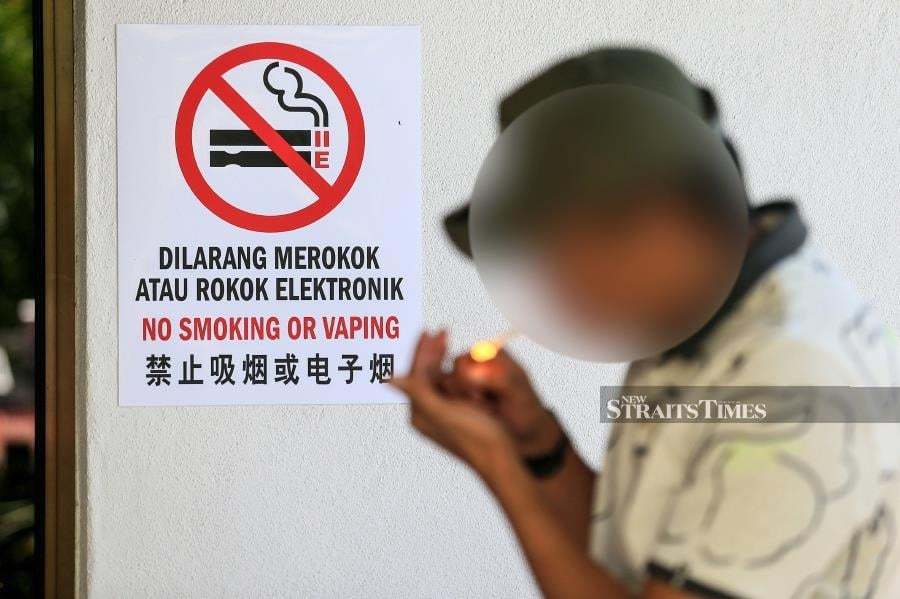
【2Firsts news flash】According to the Straits Times report on August 4, the Malaysian Crime Prevention Foundation (MCPF) fully supports the Health Ministry's proposal to ban the sale and use of e-cigarettes nationwide.
The senior vice president of the foundation, Datuk Seri Ayub Yaakob, stated that an increasing number of non-smokers, especially teenagers, are using e-cigarettes, putting them at risk of serious health issues such as persistent coughing, difficulty breathing, and lung damage (EVALI) - a potentially fatal disease.
“The United States has already seen cases of deaths due to lung injuries, while Malaysia has recorded 41 cases since 2019. The Ministry of Health has warned that by 2030, the annual treatment costs for diseases related to lung injuries could rise to RM 369 million (approximately $87.08 million), with the estimated cost for each patient hospitalized for more than 12 days currently being RM 150,892.11 (approximately $35,611).”
He said in a statement.
Ahmed pointed out that the claim that "e-cigarettes are safer than traditional cigarettes" is misleading because e-cigarettes contain toxic chemicals and high concentrations of nicotine, which can damage the lungs and brain, with particularly severe consequences for teenagers.
“In fact, the toxic chemicals in e-cigarettes can lead to nicotine addiction and harm the lungs and brain, especially in young people. If not controlled, e-cigarette addiction could spread like drug abuse and cause serious harm.”
He added.
The Malaysian Crime Prevention Foundation stated that the Ministry of Health must tighten regulations on tobacco products by implementing the Public Health (Control of Smoking Product) Act 2024 (Act 852) and regularly monitor to combat illegal online e-cigarette sales targeting youth.
The foundation also calls for strengthening public awareness campaigns on social media and mainstream platforms, encouraging influential individuals, youth leaders, and medical experts to participate and share relevant facts about the dangers of e-cigarettes.
“We also urge relevant authorities to cooperate in stopping the supply and sale of illegal cigarettes, as the presence of such products in the market can create a negative perception among the public towards the authorities and government's efforts in addressing this issue.”
Ahmed said.
We welcome news tips, article submissions, interview requests, or comments on this piece.
Please contact us at info@2firsts.com, or reach out to Alan Zhao, CEO of 2Firsts, on LinkedIn
Notice
1. This article is intended solely for professional research purposes related to industry, technology, and policy. Any references to brands or products are made purely for objective description and do not constitute any form of endorsement, recommendation, or promotion by 2Firsts.
2. The use of nicotine-containing products — including, but not limited to, cigarettes, e-cigarettes, nicotine pouchand heated tobacco products — carries significant health risks. Users are responsible for complying with all applicable laws and regulations in their respective jurisdictions.
3. This article is not intended to serve as the basis for any investment decisions or financial advice. 2Firsts assumes no direct or indirect liability for any inaccuracies or errors in the content.
4. Access to this article is strictly prohibited for individuals below the legal age in their jurisdiction.
Copyright
This article is either an original work created by 2Firsts or a reproduction from third-party sources with proper attribution. All copyrights and usage rights belong to 2Firsts or the original content provider. Unauthorized reproduction, distribution, or any other form of unauthorized use by any individual or organization is strictly prohibited. Violators will be held legally accountable.
For copyright-related inquiries, please contact: info@2firsts.com
AI Assistance Disclaimer
This article may have been enhanced using AI tools to improve translation and editorial efficiency. However, due to technical limitations, inaccuracies may occur. Readers are encouraged to refer to the cited sources for the most accurate information.
We welcome any corrections or feedback. Please contact us at: info@2firsts.com