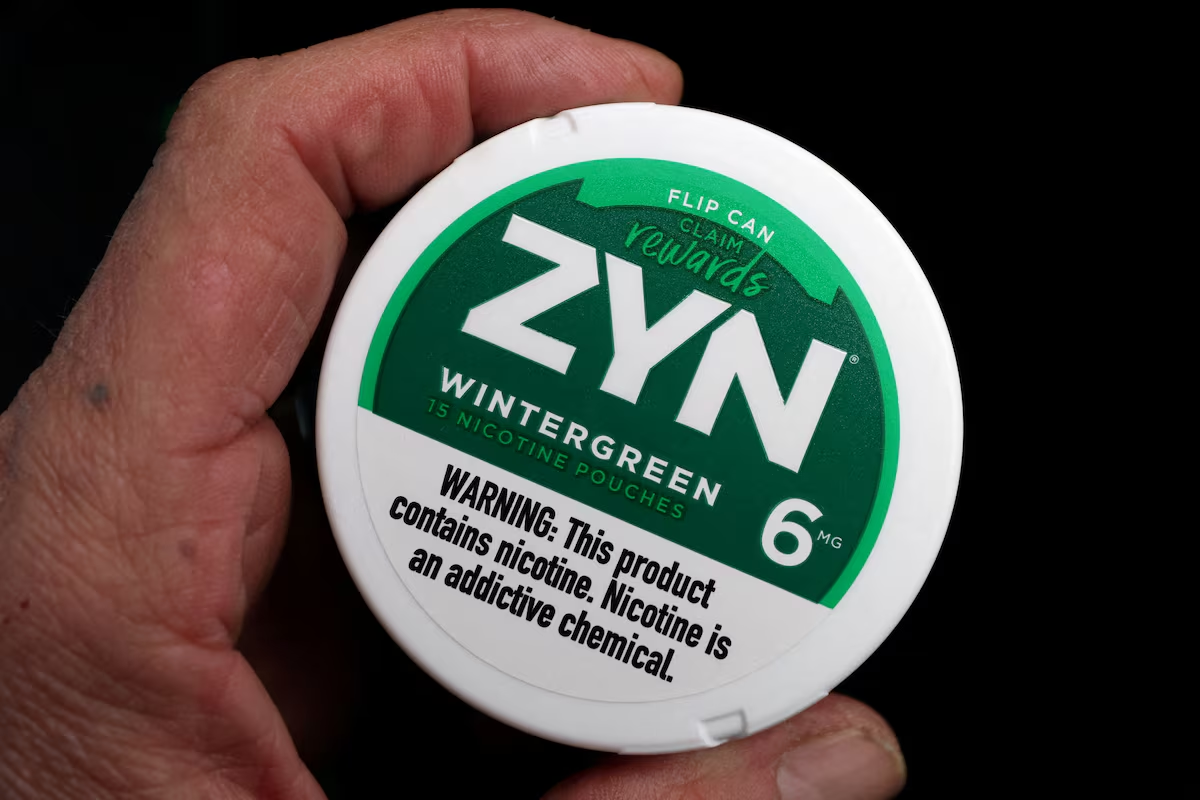
According to a report by the Borneo Post Malaysia on the evening of December 14th, the Malaysian Parliament's upper house has passed the 2023 Public Health Control of Smoking Products Act.
This bill includes the prohibition of selling tobacco and e-cigarette products to individuals under the age of 18, as well as the ban on their purchase and use by this demographic. The management of e-cigarette devices has also been removed from the Public Health Smoking Products Control Act 2023, with the government transferring control over such products to the Ministry of Domestic Trade and Consumer Affairs (KPDN) and the Ministry of Investment, Trade, and Industry (MITI), responsible for safety standards and manufacturing, respectively.
The bill mandates the registration of all tobacco and e-cigarette products, while also subjecting e-cigarette vending machines and online sales to regulatory oversight under the legislation.
In addition, the bill also removed the "Generation Smoke-free" (GEG) provisions, which included the ban on the sale of tobacco products and cigarettes, as well as the prohibition on individuals born after January 1, 2007 from smoking.
This bill has passed the second reading in Parliament and has been sent for the third reading, where it will be debated by 22 legislators.
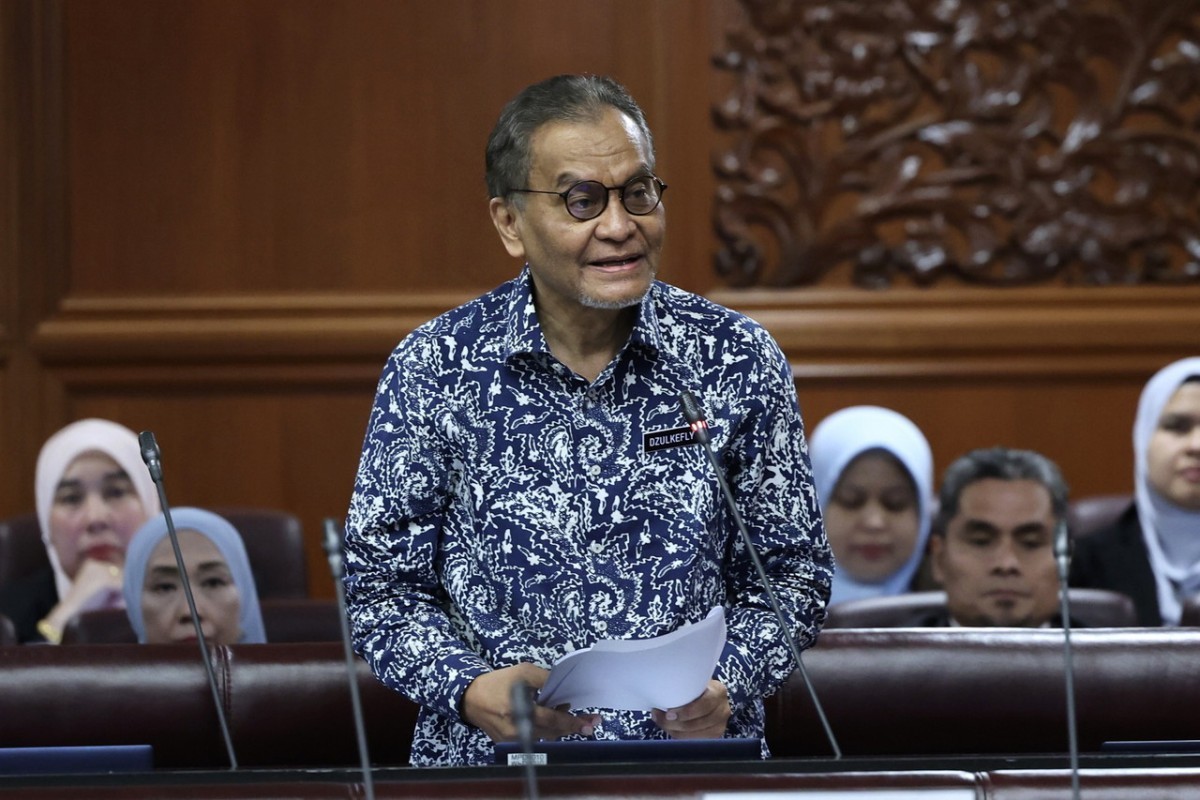
During the conclusion of the debate, Dr. Zukifi Ahmed, the Minister of Health, stated that the exclusion of "Generation Free of Smoking (GFS)" from this bill was a collective decision and shared responsibility made by the government after taking into consideration the legal opinion of the Attorney General.
According to the Attorney General, he remarked that the "Smoke-free Generation" regulation presents issues of unfair and discriminatory legal status. This implies that different treatment is being given to individuals born before January 1, 2007, and those born on or after that date.
Dr. Ahmed also proposed four amendments to the Food Law of 1983 in order to ensure that there are no conflicting or redundant provisions between these two laws.
In addition, the congress has also approved the "2023 Food Act" to revise the 1983 Food Act in order to comply with the approved Tobacco Control Product Act.
We welcome news tips, article submissions, interview requests, or comments on this piece.
Please contact us at info@2firsts.com, or reach out to Alan Zhao, CEO of 2Firsts, on LinkedIn
Notice
1. This article is intended solely for professional research purposes related to industry, technology, and policy. Any references to brands or products are made purely for objective description and do not constitute any form of endorsement, recommendation, or promotion by 2Firsts.
2. The use of nicotine-containing products — including, but not limited to, cigarettes, e-cigarettes, nicotine pouchand heated tobacco products — carries significant health risks. Users are responsible for complying with all applicable laws and regulations in their respective jurisdictions.
3. This article is not intended to serve as the basis for any investment decisions or financial advice. 2Firsts assumes no direct or indirect liability for any inaccuracies or errors in the content.
4. Access to this article is strictly prohibited for individuals below the legal age in their jurisdiction.
Copyright
This article is either an original work created by 2Firsts or a reproduction from third-party sources with proper attribution. All copyrights and usage rights belong to 2Firsts or the original content provider. Unauthorized reproduction, distribution, or any other form of unauthorized use by any individual or organization is strictly prohibited. Violators will be held legally accountable.
For copyright-related inquiries, please contact: info@2firsts.com
AI Assistance Disclaimer
This article may have been enhanced using AI tools to improve translation and editorial efficiency. However, due to technical limitations, inaccuracies may occur. Readers are encouraged to refer to the cited sources for the most accurate information.
We welcome any corrections or feedback. Please contact us at: info@2firsts.com