Key Points
- Malaysia’s Health Ministry aims to finalise a vape ban policy by mid- or late 2026;
- The Cabinet has agreed in principle to move toward a nationwide ban;
- Regulatory and legislative processes are still required before implementation;
- Concerns include links between adulterated vape liquids and mental health conditions;
- The policy direction aligns with recommendations from medical associations.
2Firsts, December 16, 2025 – According to The Star, Malaysia is moving decisively toward a nationwide ban on vaping, with the Health Ministry aiming to finalise the policy by 2026.
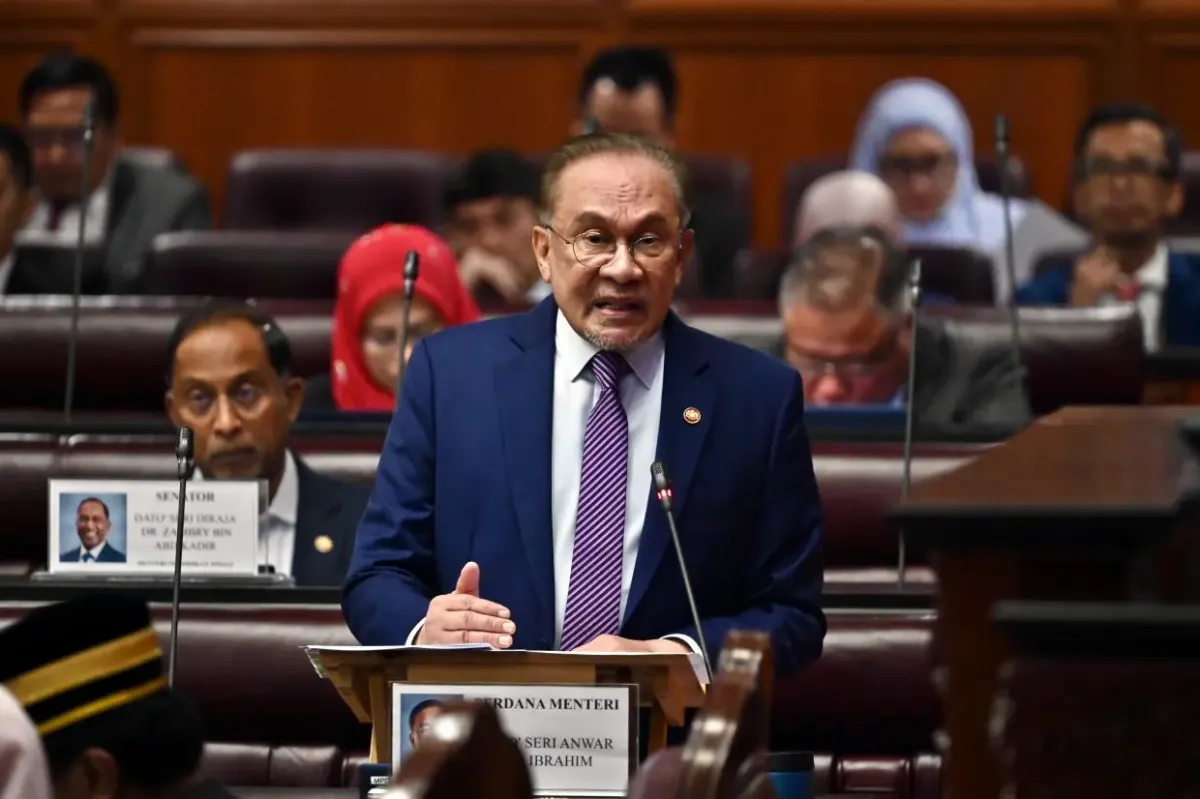
Health Minister Dzulkefly Ahmad said the Cabinet has already agreed in principle on the direction toward banning vape products, adding that the question is no longer whether vaping will be banned, but when.
He made the remarks after visiting Hospital Permai in Johor Baru. The minister said the Health Ministry is targeting implementation by mid-2026 or, at the latest, by the end of the year, subject to the completion of necessary regulatory and legislative processes.
Dzulkefly noted that the ministry had missed tabling the issue at a recent Cabinet meeting but expects it to be brought forward again early next year.
He cited growing concerns over the use of adulterated vape liquids and synthetic substances, which have been linked to drug-induced psychosis and other serious mental health conditions. Cases involving such conditions are being monitored by a special task group led by the ministry’s public health leadership in collaboration with medical experts.
The minister added that lifestyle factors, including substance abuse, are among the major contributors to mental health challenges, reinforcing the case for firm policy action.
Dzulkefly stressed that the move toward banning vape products is consistent with existing health policies and is aligned with recommendations from medical bodies, including the Malaysian Medical Association.
Image source: The Star
We welcome news tips, article submissions, interview requests, or comments on this piece.
Please contact us at info@2firsts.com, or reach out to Alan Zhao, CEO of 2Firsts, on LinkedIn
Notice
1. This article is intended solely for professional research purposes related to industry, technology, and policy. Any references to brands or products are made purely for objective description and do not constitute any form of endorsement, recommendation, or promotion by 2Firsts.
2. The use of nicotine-containing products — including, but not limited to, cigarettes, e-cigarettes, nicotine pouchand heated tobacco products — carries significant health risks. Users are responsible for complying with all applicable laws and regulations in their respective jurisdictions.
3. This article is not intended to serve as the basis for any investment decisions or financial advice. 2Firsts assumes no direct or indirect liability for any inaccuracies or errors in the content.
4. Access to this article is strictly prohibited for individuals below the legal age in their jurisdiction.
Copyright
This article is either an original work created by 2Firsts or a reproduction from third-party sources with proper attribution. All copyrights and usage rights belong to 2Firsts or the original content provider. Unauthorized reproduction, distribution, or any other form of unauthorized use by any individual or organization is strictly prohibited. Violators will be held legally accountable.
For copyright-related inquiries, please contact: info@2firsts.com
AI Assistance Disclaimer
This article may have been enhanced using AI tools to improve translation and editorial efficiency. However, due to technical limitations, inaccuracies may occur. Readers are encouraged to refer to the cited sources for the most accurate information.
We welcome any corrections or feedback. Please contact us at: info@2firsts.com