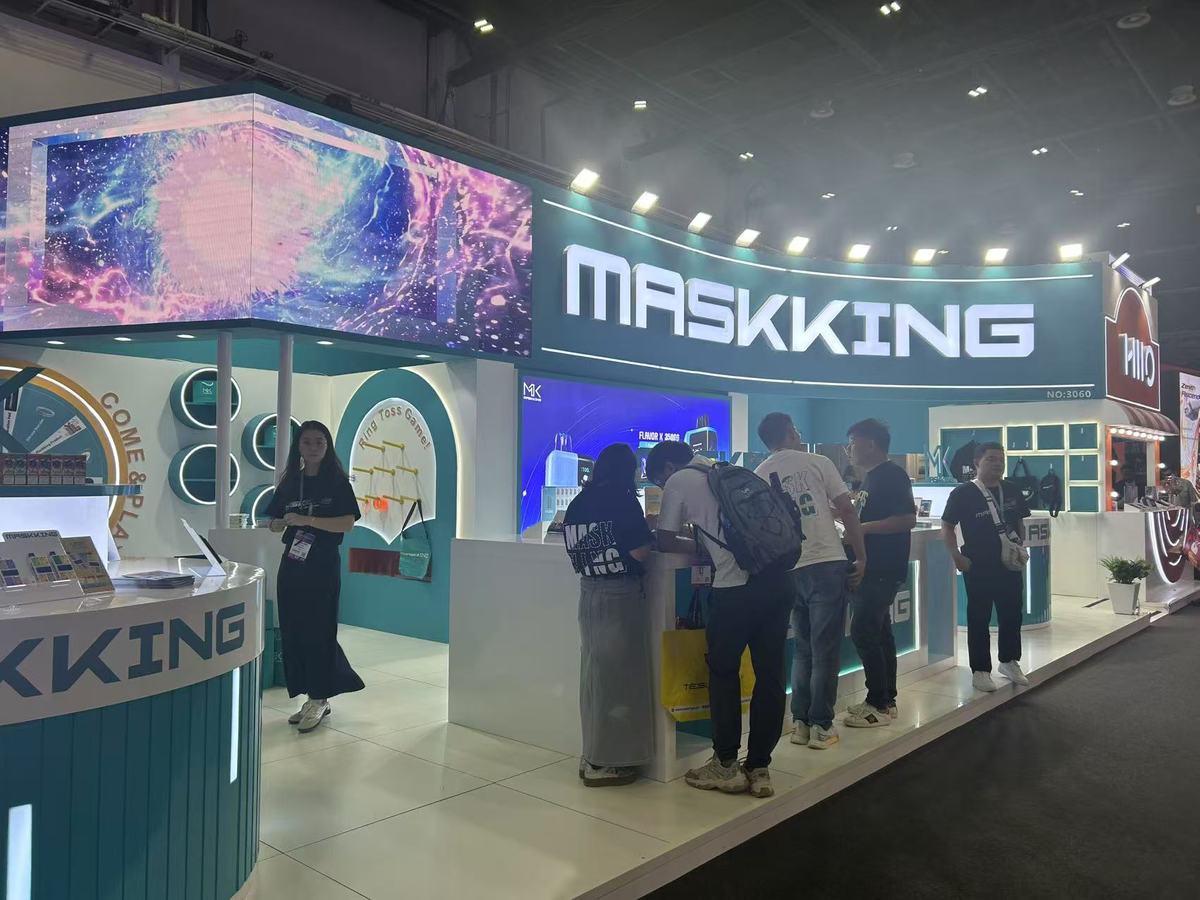
【By 2Firsts, Dubai】On June 18th, the highly anticipated World Vape Show Dubai 2025 opened at the Dubai World Trade Centre (DWTC), attracting attention from the global industry. Inside the exhibition hall, 2Firsts interviewed Shane Bai, the product manager for the e-cigarette brand Maskking.
In a time when flashy UI animations have almost become a "standard feature" of disposable e-cigarette products, Shane believes that the industry's previous excessive pursuit of touch screens may be leading towards "functionality redundancy," and that the true future lies in building software ecosystems and user value that go beyond the hardware itself.
When game features are banned by regulations, what core value does the touchscreen have left?" Shane said in an interview with 2Firsts.
"However, the reality is that the vast majority of consumers do not regularly use the screen for this operation. This fleeting novelty significantly increases the manufacturing costs and retail prices of the product, with both channels and consumers ultimately sharing the burden of this premium."
Shane believes that Maskking's current flagship strategy does not aim to get caught up in a "arms race" on the screen, but rather takes a different approach with software and user experience, in order to find a more cost-effective differentiating breakthrough.
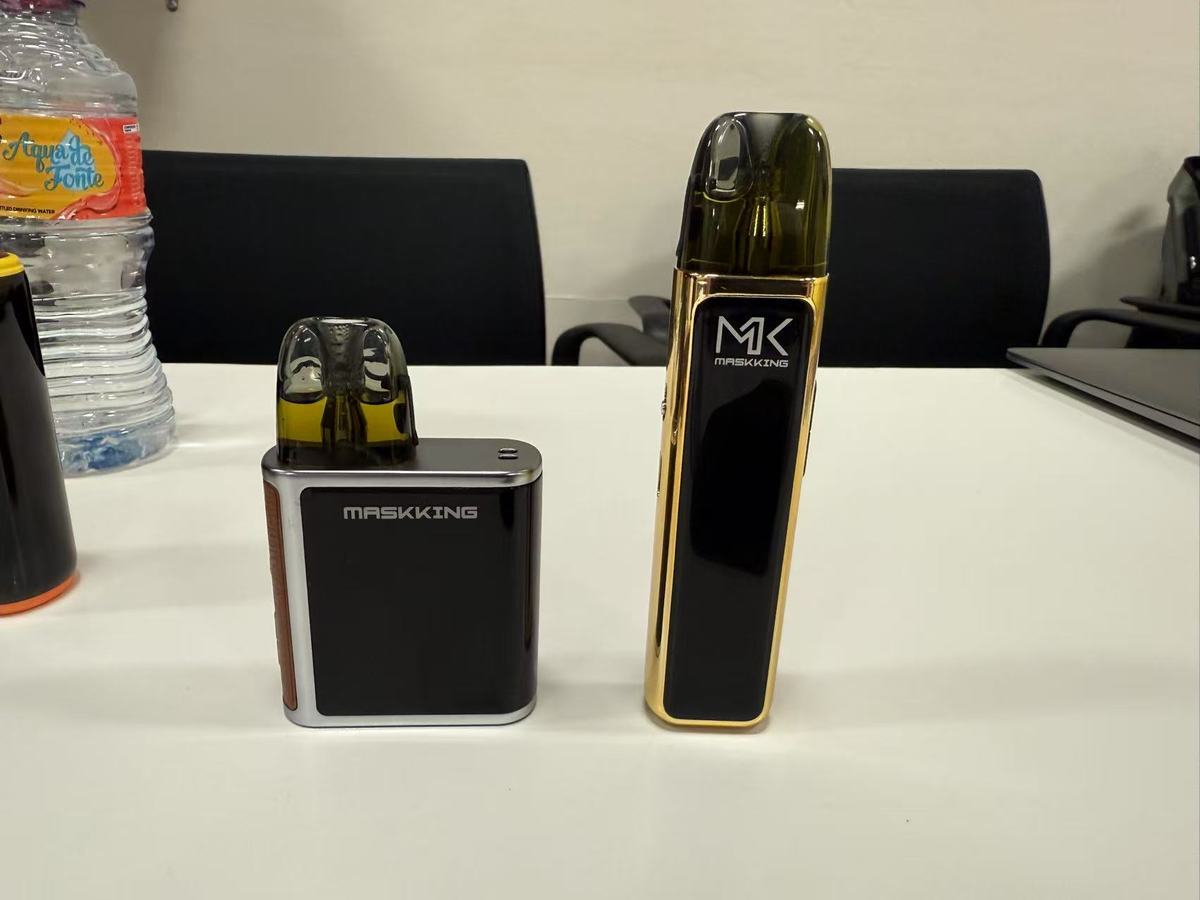
Shane showcased Maskking's new flagship open system product at the exhibition, which features a design that departs from the current trend of high-definition touch screens in the market. Instead, it is deeply integrated with a mobile app for a more comprehensive user experience. This design is not just a simple transfer of functions, but aims to create a complete user experience ecosystem.
After purchasing the product, users can download the corresponding app. Through the app, they can track and analyze their daily and weekly number of puffs, and generate a personalized usage report similar to "Apple Health". Furthermore, the system can also send alerts to users when they exceed the recommended number of puffs.
We hope to give the product a sense of 'playability' and 'technological sophistication,'" Shane explained, "This kind of interaction not only enhances the product's playability, but more importantly, it establishes a stickiness beyond just a simple usage relationship between the user and the brand.
Shane stated that in open-ended products, using apps to replace costly and limited physical screens actually provides a more attractive cost-effective solution for both distributors and end users.
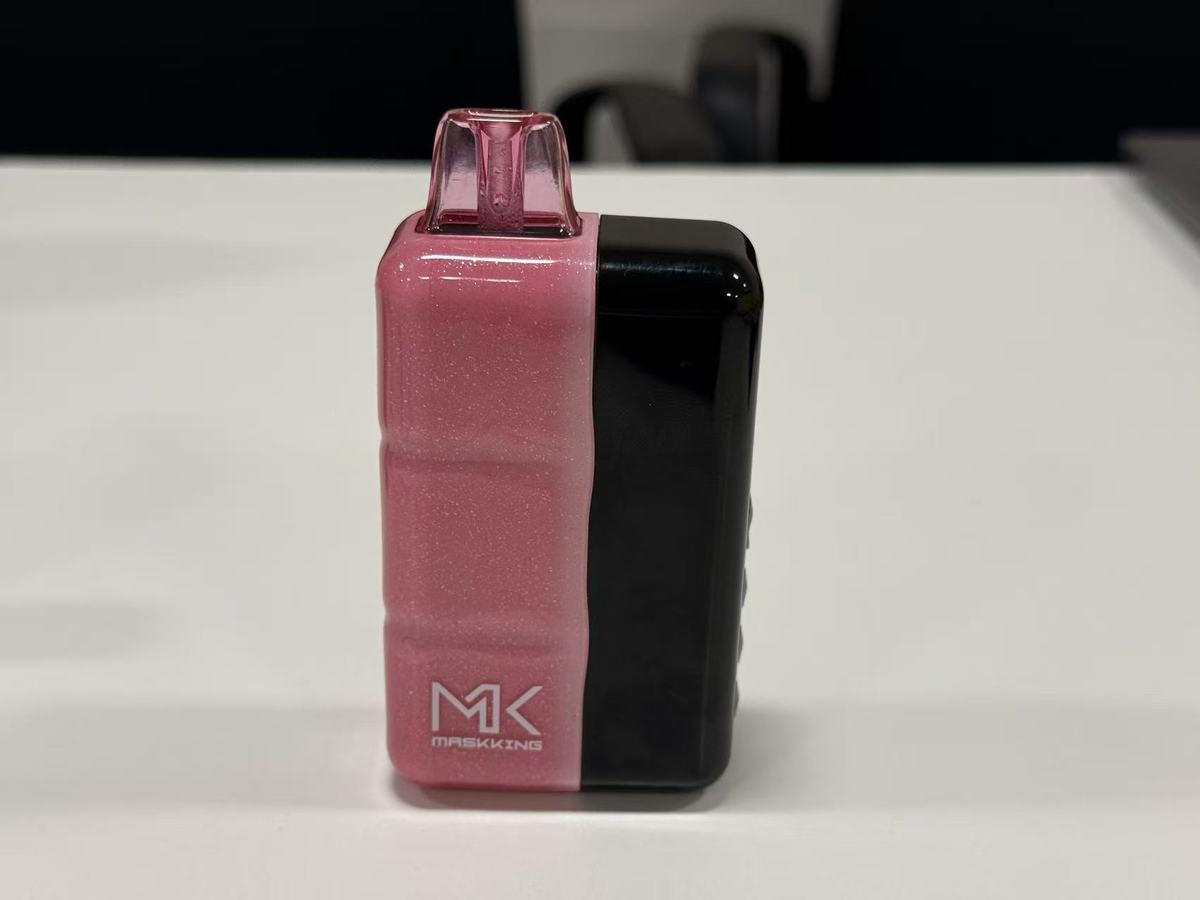
When it comes to disposable products, Maskking focuses mainly on the adjustable feature as its design point. They have launched a product that allows users to independently adjust the ice level, sweetness level, power, and airflow. Users can adjust the intensity of different functions through side buttons.
In addition, this product also features a "smokeless" adjustment function, suitable for enclosed spaces or other spaces sensitive to smoke, without producing visible smoke after use. Another pod system uses a sealed oil leak-proof design to enhance the user experience.
During the conversation, Shane emphasized the importance of meeting users' actual needs and focusing on cost-effectiveness. He also highlighted that product innovation should be guided by the principles of clear utility and avoiding meaningless showing off of technology.
Currently, Europe and Latin America are its two main markets, while the United States is considered the most strategically important "ultimate battleground.
Shane said,
"The US market is not only the world's largest consumer market, but also a leading indicator of industry trends.
Many new concepts and innovative methods originate from the United States. Achieving success there is crucial for a brand's global influence."
In addition, he also mentioned the changes in the Russian market. Russia used to be a key market for Maskking, but now it is flooded with a large number of low-priced "clearance stock" products, leading to a deteriorating market environment and significant profit margins being squeezed. To meet the demands of different markets, Maskking places great emphasis on local operation, especially in the blending of e-liquid flavors.
Shane explained that the European market generally prefers products with mild flavors and lower sweetness levels, which is different from the high sweetness and high ice preference in the Middle Eastern or Southeast Asian markets. They will make detailed adjustments to the products based on specific feedback from each market.
At the end of the interview, Shane expressed concerns about the apparent stagnation of innovation in e-cigarette technology.
He believes that innovation in key technologies such as atomization cores for e-cigarettes has reached a bottleneck, making it difficult to achieve revolutionary breakthroughs. This may also indicate that future industry competition will focus more on product form innovation, user experience optimization, and precise targeting of niche markets, with small demands becoming the breakthrough in product design.
When asked about how he would prioritize the three elements of "product, channel, brand," Shane said that currently, product and channel are equally important.
He made the metaphor that a great product is like a key that opens the door to the channel, and a strong channel can infinitely magnify the advantages of the product. However, what ultimately leads to continued repurchases by consumers is still the core experience of the product - especially factors such as taste.
"A brand is a natural outcome of successful products and channels, not a starting point that can be independently pursued."
You're welcome to submit articles, request interviews, or share your comments with 2Firsts. Please contact us at: info@2firsts.com, or reach out to 2Firsts CEO Alan Zhao on LinkedIn.
Click on the image below to access the special report.

We welcome news tips, article submissions, interview requests, or comments on this piece.
Please contact us at info@2firsts.com, or reach out to Alan Zhao, CEO of 2Firsts, on LinkedIn
Notice
1. This article is intended solely for professional research purposes related to industry, technology, and policy. Any references to brands or products are made purely for objective description and do not constitute any form of endorsement, recommendation, or promotion by 2Firsts.
2. The use of nicotine-containing products — including, but not limited to, cigarettes, e-cigarettes, nicotine pouchand heated tobacco products — carries significant health risks. Users are responsible for complying with all applicable laws and regulations in their respective jurisdictions.
3. This article is not intended to serve as the basis for any investment decisions or financial advice. 2Firsts assumes no direct or indirect liability for any inaccuracies or errors in the content.
4. Access to this article is strictly prohibited for individuals below the legal age in their jurisdiction.
Copyright
This article is either an original work created by 2Firsts or a reproduction from third-party sources with proper attribution. All copyrights and usage rights belong to 2Firsts or the original content provider. Unauthorized reproduction, distribution, or any other form of unauthorized use by any individual or organization is strictly prohibited. Violators will be held legally accountable.
For copyright-related inquiries, please contact: info@2firsts.com
AI Assistance Disclaimer
This article may have been enhanced using AI tools to improve translation and editorial efficiency. However, due to technical limitations, inaccuracies may occur. Readers are encouraged to refer to the cited sources for the most accurate information.
We welcome any corrections or feedback. Please contact us at: info@2firsts.com