Key Points
- Senate Bill 786 would prohibit the sale or transfer of vapor products with heating elements not made of or encased in glass or ceramic.
- The bill applies to all “persons,” including corporations and other legal entities, under Michigan law.
- Violations would be treated as misdemeanors, carrying up to 93 days in jail for a first offense and up to 180 days for repeat offenses.
- Sellers may avoid criminal liability if they made a reasonable effort to verify product compliance.
2Firsts, February 21, 2026
According to wilx10,Michigan lawmakers have introduced Senate Bill 786 (SB 786), a proposal that would prohibit the sale or transfer of certain vapor products based on the materials used in their heating elements.
Under the bill, a person may not sell or otherwise transfer a vapor product that has a heating element unless the heating element is made of or encased in glass or ceramic .
The legislation defines “person” to include individuals, partnerships, corporations, limited liability companies, associations and governmental entities . It also defines “vapor product” by reference to the Michigan Youth Tobacco Act .
A violation would constitute a misdemeanor. For a first violation, penalties include imprisonment for not more than 93 days, a fine of not more than $200, or both. A second or subsequent violation would carry penalties of up to 180 days in jail and a fine of $1,000 .
The bill includes a safe harbor provision stating that a seller is not guilty if the person made a reasonable effort to verify that the vapor product met the statutory material requirements .
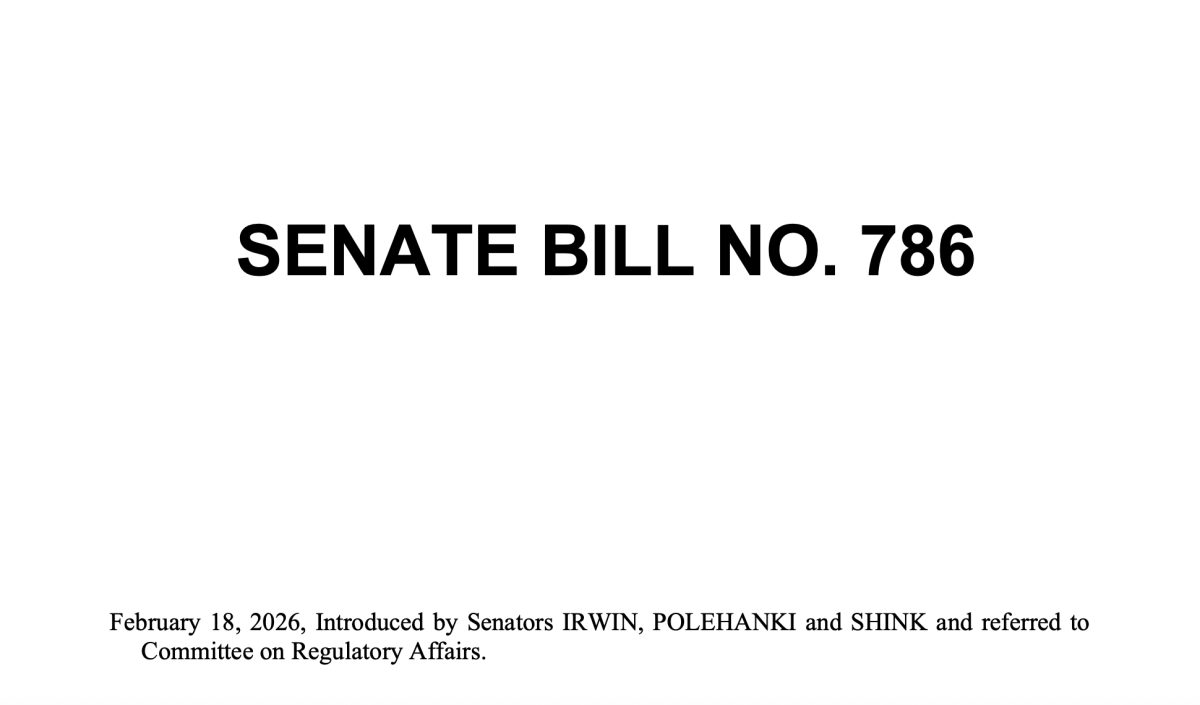
SB 786 was introduced on February 18, 2026, and has been referred to the Senate Committee on Regulatory Affairs for further review.
Disclaimer
This article is provided solely for professional research, industry discussion, and informational purposes. Any references to brands, companies, products, technologies, or policies are made for factual reporting and analytical purposes only, and do not constitute endorsement, recommendation, promotion, or advertising by 2Firsts.
Nicotine-containing products, including but not limited to cigarettes, e-cigarettes, heated tobacco products, and nicotine pouches, carry significant health risks. Readers are responsible for complying with all applicable laws and regulations in their respective jurisdictions, including age restrictions and access limitations.
The information contained in this article should not be regarded as investment, legal, medical, regulatory, or commercial advice. While 2Firsts strives to ensure the accuracy and reliability of its content, it does not assume liability for any direct or indirect loss arising from errors, omissions, inaccuracies, or reliance on the information contained herein.
This article is not intended for individuals below the legal age for accessing tobacco or nicotine-related information in their jurisdiction.
Copyright Notice
This article is either original content produced by 2Firsts or content reproduced, translated, summarized, or adapted from third-party sources with attribution where applicable. The intellectual property rights of the original content remain with 2Firsts or the respective original rights holders.
No individual or organization may copy, reproduce, distribute, republish, modify, translate, or otherwise use this content without prior authorization. Any unauthorized use may result in legal action.
For copyright-related inquiries, corrections, or removal requests, please contact: info@2firsts.com.
AI-Assisted Translation and Editing Notice
Portions of this article may have been translated, edited, or reviewed with the assistance of artificial intelligence tools to improve efficiency and readability. Due to the limitations of AI-assisted translation and editing, discrepancies, omissions, or inaccuracies may exist when compared with the original source.
Where applicable, readers are advised to refer to the original source for the most complete and accurate information. If you identify any errors or believe that any content infringes upon your rights, please contact us at info@2firsts.com, and we will review and address the matter promptly.