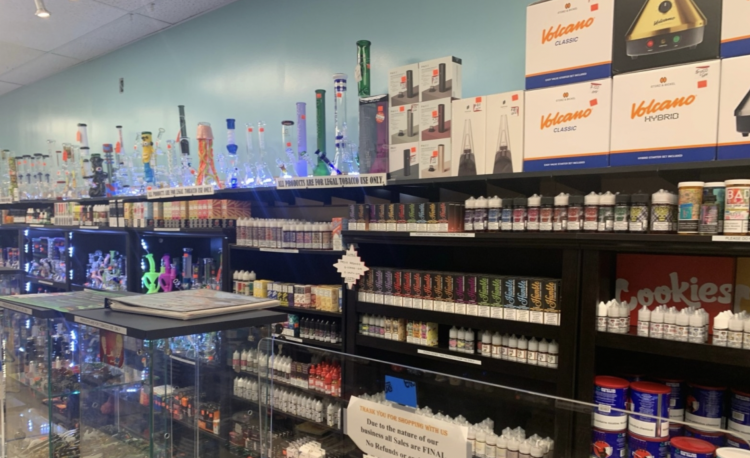
There are currently too many convenience stores operating as dedicated retailers of electronic cigarettes, which flouts New Zealand's e-cigarette laws, so we are pleased that the government will be addressing this situation," said Nancy Loucas, co-founder of the Aotearoa Vapers Community Advocacy (AVCA).
Before making the above statement, the New Zealand parliament had its first reading of the Smoke-free Environments and Regulated Products Amendment Bill, which is expected to be referred to the Health Select Committee before August 24th.
Since the implementation of e-cigarette legislation in 2020, only licensed e-cigarette specialty retailers (SVRs) are permitted to sell flavored e-cigarettes. General retailers such as convenience stores are limited to selling only three flavors - mint, menthol, and tobacco. Many convenience stores have created separate areas specifically for selling e-cigarettes and have registered these spaces as SVRs.
Ms. Loucas stated, "There is no reason for anyone to sell flavored e-cigarettes in convenience stores. It is illegal for anyone under the age of 18 to enter a smoke and vape shop, so why is this practice of selling e-cigarettes mixed with other products becoming so prevalent on the island of Oteyaroa?
Over the past two years, this practice not only caused a surge in the number of nicotine vaping products in New Zealand, but also contributed to the illegal sale of these products to minors. The AVCA is urging authorities to take a tougher stance. The so-called SVRs also failed to train their retailers.
I went into a store that sold a variety of items, and asked some basic questions, but they were unable to provide assistance. When I asked about the difference between 30mg and 50mg nicotine products, they did not know. They did not have the capability to help people switch to safer nicotine products," she said.
The government's proposed bill aims to restrict the number of retailers selling tobacco products, ban the sale of tobacco products to anyone born in or after 2009, and reduce the appeal and addiction of tobacco products. Additionally, it suggests that general retailers such as convenience stores must now notify the Director General of Health of their sale or distribution of electronic cigarette products and register them accordingly.
In addition, only licensed retailers are allowed to operate as independent businesses. Furthermore, they must have 70% of their total sales from e-cigarette products to qualify as an SVR, or a lower threshold such as 60% may be set.
Despite electronic cigarettes being a key factor in halving New Zealand's smoking rates over the past decade and saving thousands of lives, they continue to receive negative coverage from the media. Nancy Loucas suggests that organizing legislation for e-cigarettes in 2020 would help reduce underage exposure and ensure smokers looking to switch receive better advice.
Statement
This article is compiled from third-party information and is only intended for industry professionals to exchange and learn from.
This article does not reflect the views of 2FIRSTS, and 2FIRSTS is unable to confirm the authenticity and accuracy of its content. The translation of this article is intended for industry exchange and research purposes only.
Due to limitations in translation ability, the translated article may not accurately reflect the original text. Please refer to the original text for accuracy.
2FIRSTS maintains complete alignment with the Chinese government regarding any domestic, Hong Kong, Macau, Taiwan, or foreign-related statements and positions.
The copyright of the compiled information belongs to the original media and author, and if there is any infringement, please contact us to have it removed.
Disclaimer
This article is provided solely for professional research, industry discussion, and informational purposes. Any references to brands, companies, products, technologies, or policies are made for factual reporting and analytical purposes only, and do not constitute endorsement, recommendation, promotion, or advertising by 2Firsts.
Nicotine-containing products, including but not limited to cigarettes, e-cigarettes, heated tobacco products, and nicotine pouches, carry significant health risks. Readers are responsible for complying with all applicable laws and regulations in their respective jurisdictions, including age restrictions and access limitations.
The information contained in this article should not be regarded as investment, legal, medical, regulatory, or commercial advice. While 2Firsts strives to ensure the accuracy and reliability of its content, it does not assume liability for any direct or indirect loss arising from errors, omissions, inaccuracies, or reliance on the information contained herein.
This article is not intended for individuals below the legal age for accessing tobacco or nicotine-related information in their jurisdiction.
Copyright Notice
This article is either original content produced by 2Firsts or content reproduced, translated, summarized, or adapted from third-party sources with attribution where applicable. The intellectual property rights of the original content remain with 2Firsts or the respective original rights holders.
No individual or organization may copy, reproduce, distribute, republish, modify, translate, or otherwise use this content without prior authorization. Any unauthorized use may result in legal action.
For copyright-related inquiries, corrections, or removal requests, please contact: info@2firsts.com.
AI-Assisted Translation and Editing Notice
Portions of this article may have been translated, edited, or reviewed with the assistance of artificial intelligence tools to improve efficiency and readability. Due to the limitations of AI-assisted translation and editing, discrepancies, omissions, or inaccuracies may exist when compared with the original source.
Where applicable, readers are advised to refer to the original source for the most complete and accurate information. If you identify any errors or believe that any content infringes upon your rights, please contact us at info@2firsts.com, and we will review and address the matter promptly.