Key Points:
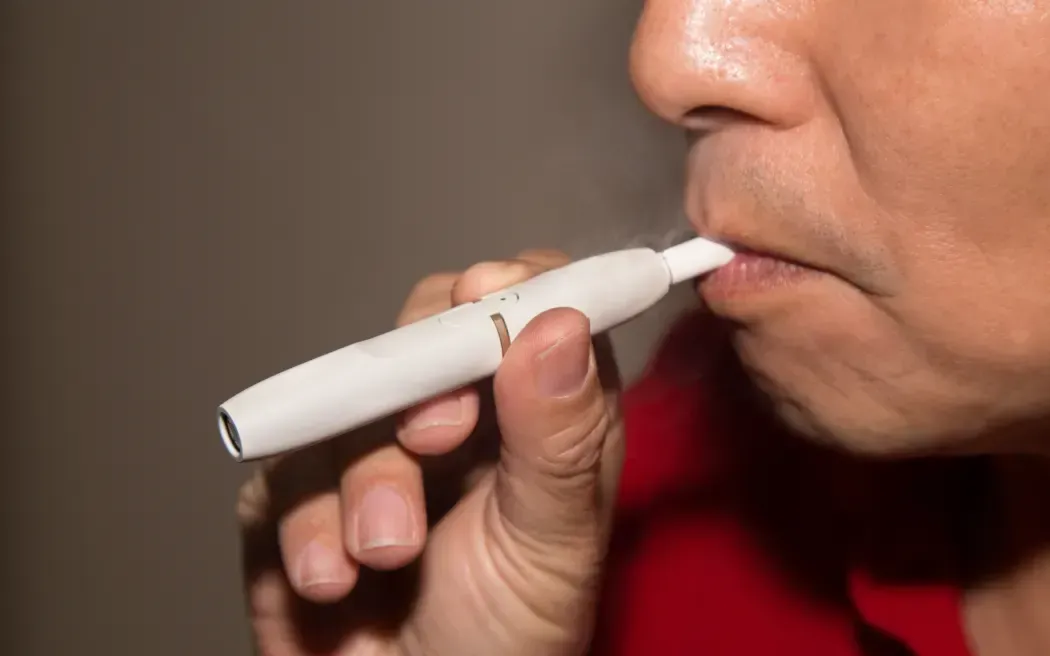
·Policy Change: The New Zealand coalition government has revoked the requirement for all e-cigarette devices (including heated tobacco products) to be equipped with removable batteries, with this decision taking effect from September 1st.
·Background: This move aims to address a legal challenge brought by the parent company of e-cigarette store Shosha, Mason Corporation. Deputy Health Minister of the coalition government, Casey Costello, stated that this is the best way to resolve the case.
·Impact: This decision does not affect the government's ban on disposable e-cigarette devices, which came into effect on June 17th.
·Controversy: Philip Morris International (PMI) had to remove IQOS heated tobacco products from shelves due to this regulation, but later introduced new products compliant with the law; Costello's support for heated tobacco products has sparked controversy, with opposition parties and health experts criticizing it as a "dangerous and radical experiment.
【2Firsts News Flash】According to a report by RNZ on July 24, the New Zealand coalition government is reversing the requirement for all e-cigarette devices (including heated tobacco products) to be equipped with removable batteries.
The decision, which took effect on September 1, aims to address the current legal challenge brought by the parent company of e-cigarette store Shosha, Mason Corporation. Deputy Minister of Health for the coalition government, Casey Costello, stated in a declaration:
“The Cabinet has been informed that implementing this measure is the best way to resolve the case. This decision means that the litigation proceedings related to the regulations introduced by the Labour government can be withdrawn.”
Costello stated that this measure is not expected to increase the number of people smoking or using e-cigarettes. This statement does not affect the government's ban on disposable e-cigarette devices, which came into effect on June 17th.
The former Labour government announced in June 2023 a requirement for removable batteries as part of a series of changes to e-cigarette regulations. At the time, then-Health Minister Ayesha Verrall stated that this measure would make the devices safer.
The government later decided to postpone the implementation of the regulation to October 2024 in order to "ensure an adequate supply of suitable, reusable e-cigarette products and continue to support people in quitting smoking.
In 2024, RNZ reported that Philip Morris International (PMI) had to pull its IQOS heated tobacco products off the shelves due to regulatory requirements for removable batteries. This posed a major obstacle to the government's controversial experiment of cutting the consumption tax on heated tobacco products in half (in an effort to encourage their use as smoking cessation tools).
Philip Morris International (PMI) subsequently launched a new IQOS product with a detachable battery that complies with regulations.
Documents show that Costello had attempted to delay the implementation of the battery regulation by two years, but the cabinet only agreed to a six-month delay from the original deadline of March 21st.
The Minister's support for heated tobacco products as a less harmful alternative to smoking has sparked outrage from the opposition party and health experts, who are calling it a "dangerous and radical experiment.
The Ministry of Finance at the time listed a long list of concerns regarding the proposal, but Costello stated that she relied on "independent advice" and believed that the situation was not as stated.
We welcome news tips, article submissions, interview requests, or comments on this piece.
Please contact us at info@2firsts.com, or reach out to Alan Zhao, CEO of 2Firsts, on LinkedIn
Notice
1. This article is intended solely for professional research purposes related to industry, technology, and policy. Any references to brands or products are made purely for objective description and do not constitute any form of endorsement, recommendation, or promotion by 2Firsts.
2. The use of nicotine-containing products — including, but not limited to, cigarettes, e-cigarettes, nicotine pouchand heated tobacco products — carries significant health risks. Users are responsible for complying with all applicable laws and regulations in their respective jurisdictions.
3. This article is not intended to serve as the basis for any investment decisions or financial advice. 2Firsts assumes no direct or indirect liability for any inaccuracies or errors in the content.
4. Access to this article is strictly prohibited for individuals below the legal age in their jurisdiction.
Copyright
This article is either an original work created by 2Firsts or a reproduction from third-party sources with proper attribution. All copyrights and usage rights belong to 2Firsts or the original content provider. Unauthorized reproduction, distribution, or any other form of unauthorized use by any individual or organization is strictly prohibited. Violators will be held legally accountable.
For copyright-related inquiries, please contact: info@2firsts.com
AI Assistance Disclaimer
This article may have been enhanced using AI tools to improve translation and editorial efficiency. However, due to technical limitations, inaccuracies may occur. Readers are encouraged to refer to the cited sources for the most accurate information.
We welcome any corrections or feedback. Please contact us at: info@2firsts.com