On April 12th, 2FIRSTS conducted an exclusive interview with Lev Grigoriev, the Director of Public Relations for Babylon & Vardex, a leading electronic cigarette distributor in Russia, regarding the Russian State Duma's proposed legislation for regulating electronic cigarettes.
Grigoryev is the Chairman of a professional alliance of market participants in Russia, as well as a member of the National Duma Tobacco and Nicotine Product Market Competition Expert Committee of the Russian Federal Committee. From 2004 to 2015, he served as the CEO of the MEGAPOLIS Group and has had a lengthy focus on research in the tobacco sector in Russia.
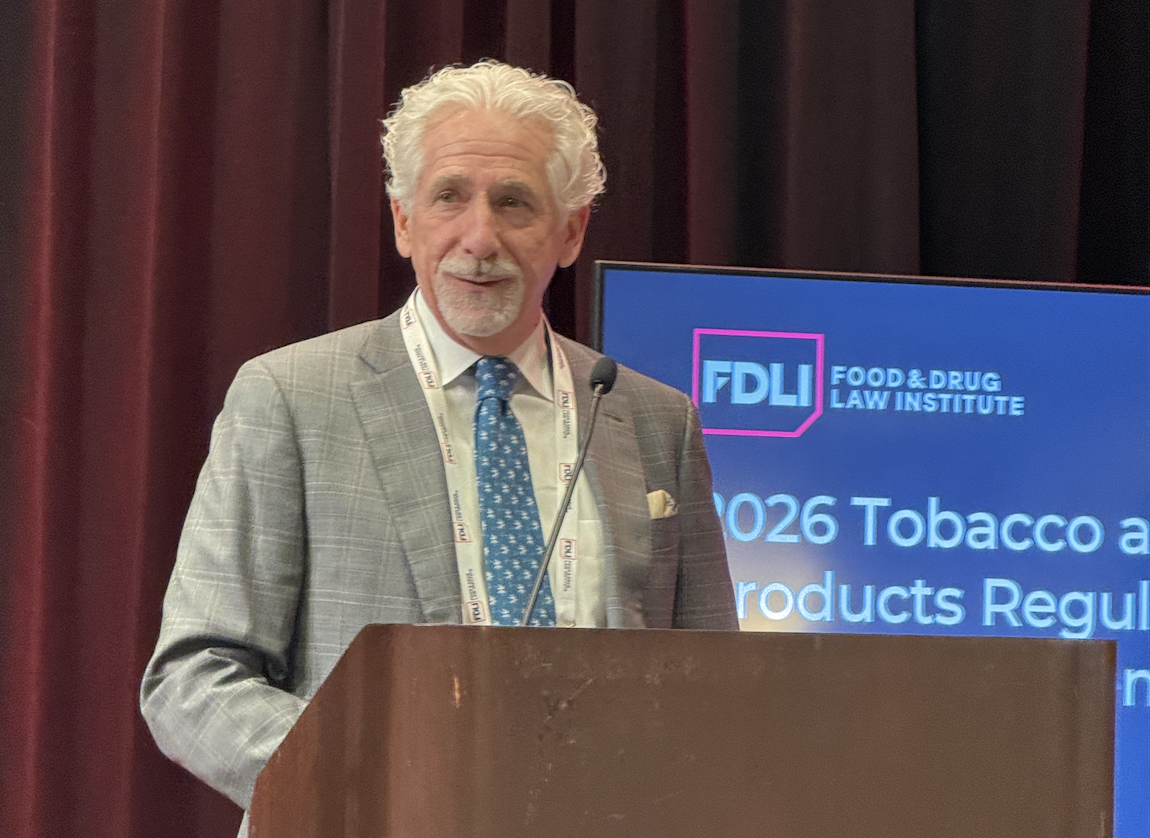
Lev Grigoriev | Image source: Provided by interviewee
A complete ban on e-cigarette flavors has not been instituted. However, a list of prohibited substances will be released before September 1st.
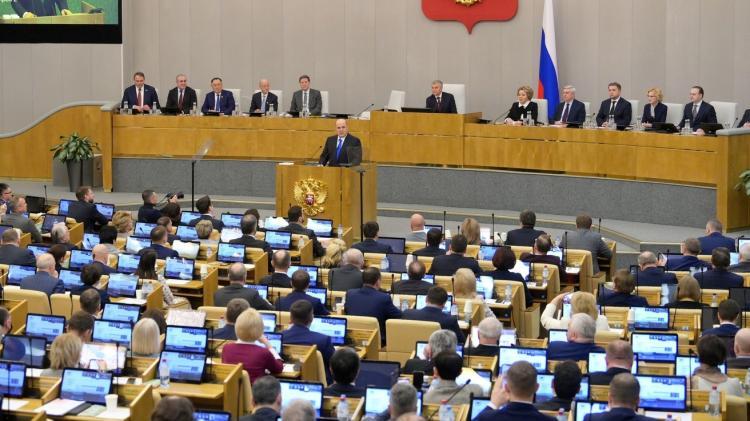
In response to the most pressing market concern, has the "proposal" passed by the Russian State Duma banned "electronic cigarette flavors"? Grigoriev told 2FIRSTS that Federal Law No. 332229-8 passed by the Russian State Duma has not completely banned flavored electronic cigarettes. This law stipulates that:
The Russian government has the authority to determine a list of substances aimed at increasing the appeal of such products and/or enhancing the addictiveness of nicotine, and any products containing these substances cannot be sold. By September 1, 2023, there will be a clear list of banned substances for e-cigarette oils.
According to a translation by 2FIRSTS, the proposal to amend certain legislation in the Russian Federation, passed by the State Duma, does not completely ban electronic cigarette flavors.
Grigoryev reiterated that if Russia were to ban flavored e-cigarettes, it would be an "incredible" situation and have a huge impact on the e-cigarette market. "Russia will have no e-cigarette market. The market will become completely illegal and shrink by about half.
The probability of Russia implementing a ban on flavors imitating those in China is extremely low.
The Public Relations Director of BABYLON&VARDEX, Lev Grigoriev, has been pictured with 2FIRSTS' Vice President for the Russian region, Xu Minghao.
He believes that if Russian regulatory agencies were to adopt similar policies to China, which only prohibit flavors other than tobacco and mint, the e-cigarette market would shrink by about 75%, with approximately 25% remaining legal and 25% becoming illegal. However, he thinks it is unlikely that Russia will adopt such policies.
There is still room for maneuver on additive bans.
Furthermore, Gregoriev from 2FIRSTS stated that the ban on additives is not set in stone and there is still some room for negotiation before it becomes effective. Industry experts will be involved in discussions with the government about this matter.
Industry experts will continue to discuss the specifics of the ban with the Russian government, leaving room for potential changes.
As the leading e-cigarette distributor in Russia, BABYLON&VARDEX is also paying attention to regulatory policy changes. However, the company has not made any changes in procurement yet, and will only respond when a ban is officially implemented, for example, when approaching September 1, 2023. "If a ban is implemented, we will handle the inventory for sale.
Topic: Progress and expert analysis of Russian ban on flavored electronic cigarettes (click on the image below for more information).
Related Reading:
In One Day: Timeline and Background of Russian Taste Ban Bill Passed in Third Reading
On September 1st, a ban on flavored additives in electronic cigarettes will take effect in Russia, as stated in a proposal document. The proposal, which seeks to ban flavored e-cigarettes, will undergo its first discussion on April 11th.
Russia proposes maximum fine of 500,000 rubles for selling e-cigarettes to minors.
Russian Prime Minister Mikhail Mishustin is considering banning electronic cigarettes.
Timeline and Background of Russian Taste Ban: Bill Passes Three Readings in One Day
Expert Analysis Series:
Expert analysis 1: Russia's ban on flavored e-cigarettes includes all products, with exact additive standards yet to be disclosed.
Expert analysis 2: Russia sets minimum retail price for e-cigarette products in order to reduce demand for nicotine products.
Expert analysis 3: Russia proposes ban on online sales and offline display of e-cigarettes, effective from June 1st.
Disclaimer
This article is provided solely for professional research, industry discussion, and informational purposes. Any references to brands, companies, products, technologies, or policies are made for factual reporting and analytical purposes only, and do not constitute endorsement, recommendation, promotion, or advertising by 2Firsts.
Nicotine-containing products, including but not limited to cigarettes, e-cigarettes, heated tobacco products, and nicotine pouches, carry significant health risks. Readers are responsible for complying with all applicable laws and regulations in their respective jurisdictions, including age restrictions and access limitations.
The information contained in this article should not be regarded as investment, legal, medical, regulatory, or commercial advice. While 2Firsts strives to ensure the accuracy and reliability of its content, it does not assume liability for any direct or indirect loss arising from errors, omissions, inaccuracies, or reliance on the information contained herein.
This article is not intended for individuals below the legal age for accessing tobacco or nicotine-related information in their jurisdiction.
Copyright Notice
This article is either original content produced by 2Firsts or content reproduced, translated, summarized, or adapted from third-party sources with attribution where applicable. The intellectual property rights of the original content remain with 2Firsts or the respective original rights holders.
No individual or organization may copy, reproduce, distribute, republish, modify, translate, or otherwise use this content without prior authorization. Any unauthorized use may result in legal action.
For copyright-related inquiries, corrections, or removal requests, please contact: info@2firsts.com.
AI-Assisted Translation and Editing Notice
Portions of this article may have been translated, edited, or reviewed with the assistance of artificial intelligence tools to improve efficiency and readability. Due to the limitations of AI-assisted translation and editing, discrepancies, omissions, or inaccuracies may exist when compared with the original source.
Where applicable, readers are advised to refer to the original source for the most complete and accurate information. If you identify any errors or believe that any content infringes upon your rights, please contact us at info@2firsts.com, and we will review and address the matter promptly.