NY to Receive $112M from JUUL for Youth Prevention

Apr.13.2023
NY to Receive $112M from JUUL for Youth Prevention
Juul to pay $112 million to help New York's youth quit e-cigarettes, following a legal settlement with six states.

On April 12th, New York will receive 112.7 million dollars to aid in helping young people in New York quit using electronic cigarettes.


Electronic cigarette manufacturer Juul has paid a settlement of $462 million in a legal agreement with six states and the District of Columbia. The company was accused of using inappropriate marketing tactics aimed at minors.


Led by Letitia James, Attorney General for the state of New York, and Rob Bonta, Attorney General for California, the company will also be required to classify synthetic nicotine as genuine nicotine, restrict the amount individuals can purchase, and refrain from advertising to individuals under 35 years old.


Related Reading:


1. Juul to pay $462 million in settlement fees to six US states.


E-cigarette company Juul has reached a settlement agreement with the state of West Virginia for $7.9 million. This comes after the company has paid out millions of dollars in settlement fees.


The American brand Juul has agreed to pay $440 million to reach a settlement with various states.


JUUL has spent $18.2 billion in order to reach settlements. The amount and terms of these settlements by state are being reviewed.


2FIRSTS Special Report: Summary of Juul's Settlement Agreement.


Reference:


New York City is set to receive $112 million from JUUL, a popular vape company.


Disclaimer

This article is provided solely for professional research, industry discussion, and informational purposes. Any references to brands, companies, products, technologies, or policies are made for factual reporting and analytical purposes only, and do not constitute endorsement, recommendation, promotion, or advertising by 2Firsts.

Nicotine-containing products, including but not limited to cigarettes, e-cigarettes, heated tobacco products, and nicotine pouches, carry significant health risks. Readers are responsible for complying with all applicable laws and regulations in their respective jurisdictions, including age restrictions and access limitations.

The information contained in this article should not be regarded as investment, legal, medical, regulatory, or commercial advice. While 2Firsts strives to ensure the accuracy and reliability of its content, it does not assume liability for any direct or indirect loss arising from errors, omissions, inaccuracies, or reliance on the information contained herein.

This article is not intended for individuals below the legal age for accessing tobacco or nicotine-related information in their jurisdiction.


Copyright Notice

This article is either original content produced by 2Firsts or content reproduced, translated, summarized, or adapted from third-party sources with attribution where applicable. The intellectual property rights of the original content remain with 2Firsts or the respective original rights holders.

No individual or organization may copy, reproduce, distribute, republish, modify, translate, or otherwise use this content without prior authorization. Any unauthorized use may result in legal action.

For copyright-related inquiries, corrections, or removal requests, please contact: info@2firsts.com.


AI-Assisted Translation and Editing Notice

Portions of this article may have been translated, edited, or reviewed with the assistance of artificial intelligence tools to improve efficiency and readability. Due to the limitations of AI-assisted translation and editing, discrepancies, omissions, or inaccuracies may exist when compared with the original source.

Where applicable, readers are advised to refer to the original source for the most complete and accurate information. If you identify any errors or believe that any content infringes upon your rights, please contact us at info@2firsts.com, and we will review and address the matter promptly.

Japan’s Heated Tobacco Tax Changes Reshape Consumer Choices, Survey Reveals Impact of Price and Income
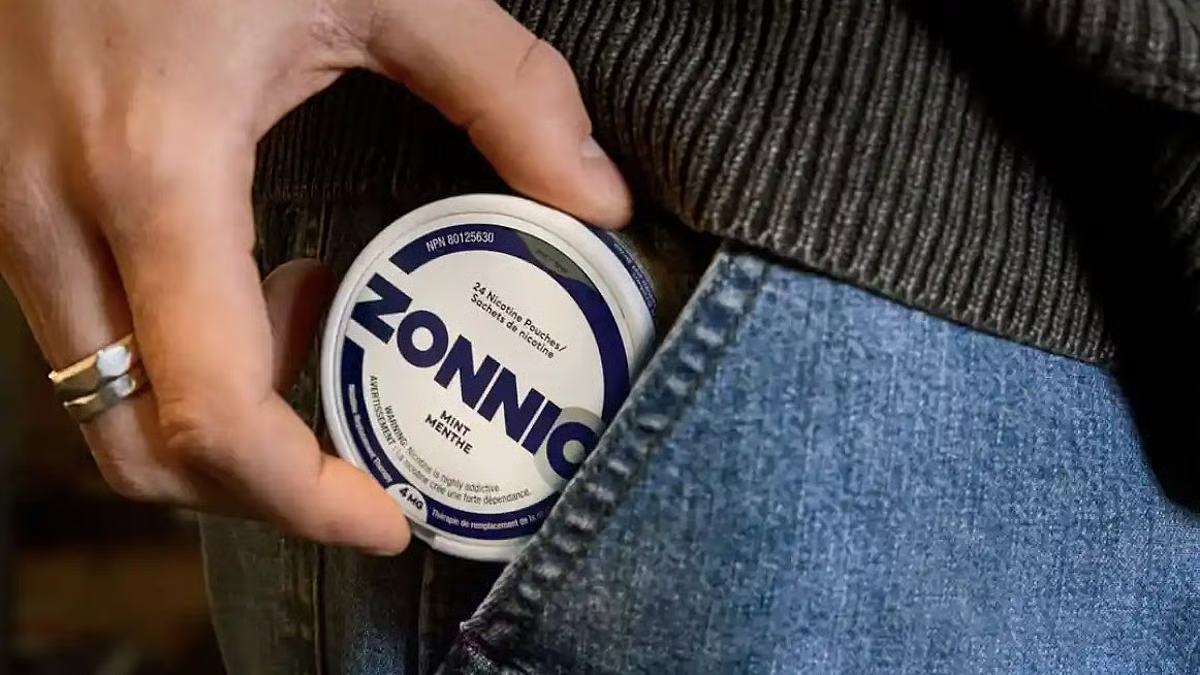
A consumer survey by Japanese heated tobacco information platform RELAZO found that rising tobacco prices and planned heated tobacco tax changes may influence smoking decisions among Japanese consumers. The survey covered 49,879 men and women aged 20 to 69 nationwide. It found that around 40% of respondents cumulatively indicated they may consider quitting when a pack reaches ¥600 (approximately US$4.1), while nearly 90% expressed potential quitting intentions at a ¥1,000 (approximately US$6.8) price level. The survey also found significant differences by income level, with lower-income respondents showing greater sensitivity to price increases.
Jul.24
UK Vape Brands Face White-Packaging and Flavour-Name Curbs in Youth-Appeal Crackdown
The UK government and devolved administrations have launched a 12-week consultation on proposals to make vapes less appealing to children, including plain white packaging, limits on device colours, restrictions on flavour names and changes to how products are displayed in shops.
Jul.10
Data|China’s January-May Vape Exports: U.S. Shipments Fall 13.8% as Japan Posts Fastest Growth
According to China Customs export data analyzed by 2Firsts, the United States remained China’s largest destination for vape-related exports during January-May 2026 despite a 13.82% year-on-year decline in export value. Meanwhile, exports to Japan, Russia, Indonesia and the United Arab Emirates recorded strong growth, highlighting continued diversification across China’s export markets.
Special Report
Jun.29
Australia’s TGA Places Nicotine Pouches Under Therapeutic Goods Rules From July 24, Blocking Imports of Unapproved Products
Australia is strengthening controls on nicotine pouches under its existing therapeutic goods regulatory framework. According to the Therapeutic Goods Administration (TGA), nicotine pouch products must meet regulatory requirements, and unapproved products cannot be legally imported. The move follows Australia’s broader approach of maintaining strict oversight of nicotine products, including nicotine-containing vapes. As nicotine pouches expand globally, Australia’s regulatory approach highlights growing differences in how countries manage emerging smoke-free nicotine products.
Regulations
Jul.27
Ohio Supreme Court Weighs Whether State Consumer Law Can Restrict Flavored Vape Sales
The Ohio Supreme Court is hearing a case involving flavored vape sales and whether state authorities can use consumer protection laws to take action against retailers selling unauthorized vape products. Ohio officials argue that selling unauthorized flavored vapes may constitute consumer deception, while retailers argue that tobacco product regulation falls under federal Food and Drug Administration (FDA) authority and that states cannot impose additional restrictions through consumer laws. The case could affect the scope of state-level vape regulation across the United States.
Aug.06
BAT New Categories Revenue Rises 18% in H1 2026 as Broad Portfolio Offers More Ways to Win—and Lose
British American Tobacco’s New Category revenue rose 18% at constant rates in the first half of 2026. Nicotine-pouch brand Velo expanded rapidly, while Vuse recovered as U.S. enforcement against illicit e-vapor products strengthened. Heated-tobacco platform glo remained under pressure, and cigarettes continued to provide most of the group’s profit and cash. Compared with PMI and JT, BAT has more routes to growth—but also greater regulatory, investment and execution risks across its broader portfolio.
BAT
Jul.30