Pakistan: Companies Shun Track-And-Trace System

Innovation
Jul.29.2022

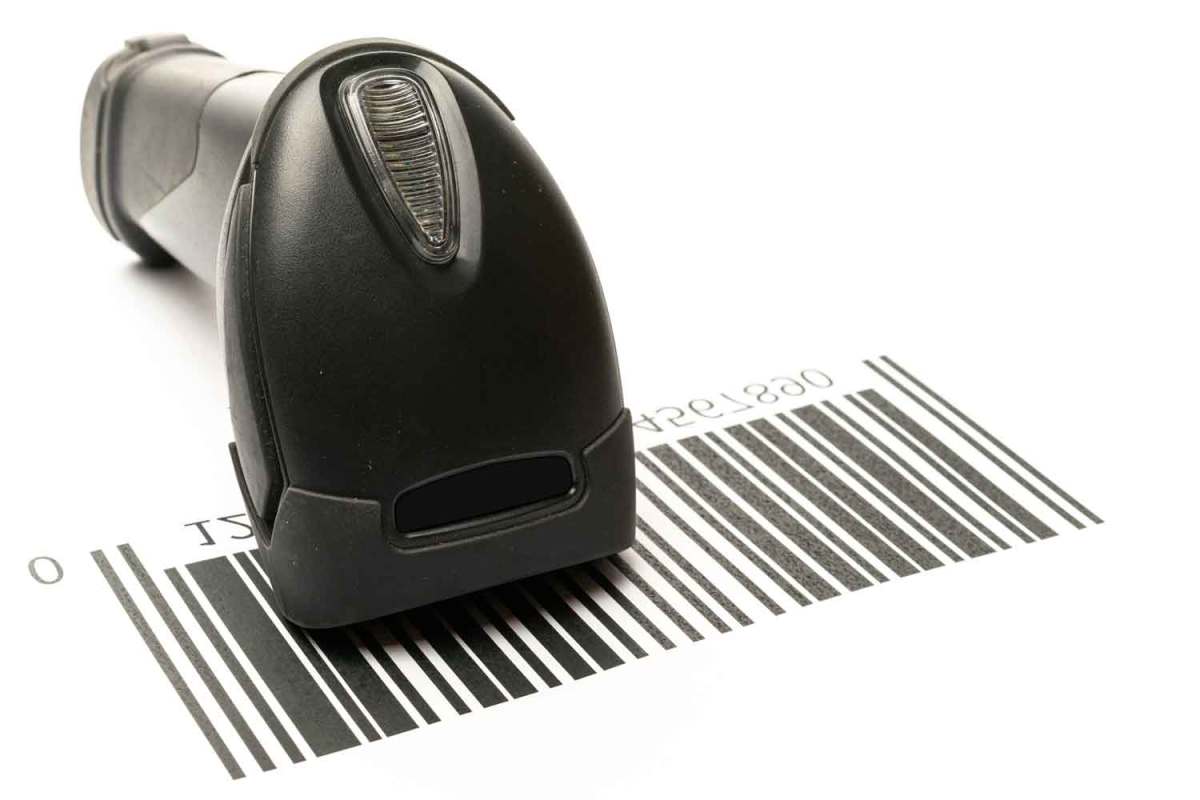
More tobacco companies must install Pakistan’s new track-and-trace system to tackle the country’s massive tax evasion problem, according to Project Director Tariq Hussain Shaikh.
Pakistan: Companies Shun Track-And-Trace System

Out of the 40-plus companies registered with the Pakistan Tobacco Board, only three—Philip Morris Pakistan, Pakistan Tobacco Co. and Khyber Tobacco—have installed the track-and-trace system that became operational on July 1, reports the Business Recorder.


According to Shaikh, the system has significantly boosted government tax collections in other sectors. In the sugar industry, for example, sales tax collections increased by 34 percent after its implementation at the end of 2021.


Success, however, depends on across-the-board implementation, Shaikh cautioned. Unless more tobacco companies adopt it, the track-and-trace system will not reduce tax evasion, which in Pakistan amounts to PKR80 billion ($335.74 million) per year.


In a letter dated June 30, 2022, Pakistan’s Federal Board of Revenue directed all cigarette manufacturers to apply tax stamps to their products from July 1, 2022. Nine tobacco companies have challenged the directive on technical grounds.


The content excerpted or reproduced in this article comes from a third-party, and the copyright belongs to the original media and author. If any infringement is found, please contact us to delete it. Any entity or individual wishing to forward the information, please contact the author and refrain from forwarding directly from here.


Wales Passes Law Banning Tobacco Sales to Anyone Born After 2009
The Welsh Parliament (Senedd) has approved new legislation banning tobacco sales to anyone born on or after January 1, 2009. The law, passed on December 9, 2025, also imposes stricter controls on how vapes and nicotine products are advertised and sold. Designed by the UK Government but voted on separately in Wales, the bill passed with 36 votes in favor, two abstentions, and nine against. It grants stronger enforcement powers to Trading Standards to combat illegal tobacco and vape sales.
Dec.10 by 2FIRSTS.ai
Virginia Seeks to Dismiss E-Cigarette Ban Challenge, Citing Lack of Legal Standing
The Virginia Attorney General and tax commissioner have urged a federal court to dismiss a lawsuit challenging the state’s ban on unapproved e-cigarettes, arguing that the companies behind the suit lack legal standing since their products are federally illegal. The state contends the plaintiffs, Novo Distro Inc. and Tobacco Hut and Vape Fairfax Inc., have no lawful right to sell unapproved vapes and cannot show irreparable harm.
Dec.10 by 2FIRSTS.ai
CNIPA Targets E-Cigarettes as Key Focus in Crackdown on Trademark Violations
National Intellectual Property Office issued a notice to strengthen management of illegal use of trademarks, promoting fair competition.
Nov.25 by 2FIRSTS.ai
Bloomberg-Backed Campaign Wins as Denver Votes to Ban Flavored Nicotine
Denver voters have upheld the city’s ban on flavored nicotine products—including fruity vapes and menthol cigarettes—with 72% in favor during the Nov. 4 election. The “Yes on 310” campaign, backed by $5 million from Michael Bloomberg, celebrated the result as a major victory for youth health. Opponents, mostly local vape shop owners, warned of economic harm and called the spending imbalance unfair.
Nov.05 by 2FIRSTS.ai
Russia Plans to Allow Regional Vape Sales Bans from September 2026
Russia’s Ministry of Finance (Минфин) has drafted amendments to an existing licensing bill that would grant regional authorities the power to ban retail sales of vapes and nicotine liquids from September 1, 2026, to September 1, 2031, RBC reported. Stores violating the ban would lose their tobacco retail licenses.
Nov.19 by 2FIRSTS.ai
South Korea’s Tobacco Law Amendment to Include Synthetic Nicotine, Projected to Add Up to $340 Million in Local Tax Revenue
Following the National Assembly’s approval of amendments to the Tobacco Business Act on September 22, redefining tobacco to include synthetic nicotine, the Korea Institute of Local Finance (KILF) estimates that local governments could gain between $37 million and $340 million in additional tax revenue in 2025 from tobacco consumption and local education taxes.
Nov.19 by 2FIRSTS.ai