Philip Morris International invests in smoke-free electronic devices to reduce health risks.

Jun.12.2025
Philip Morris International invests in smoke-free electronic devices to reduce health risks.
PMI invests in smoke-free electronic devices to reduce health risks caused by tobacco combustion, facing regulatory challenges and black market effects.

Key Points:


·Philip Morris International (PMI) is focusing on investing in smokeless electronic devices in an effort to reduce health risks. 


·Technology replacing tobacco combustion may lessen the harm of smoking on health. 


·Various sectors are calling for regulatory challenges stemming from youth e-cigarette use to be addressed through compliant means. 


·Bans on e-cigarette sales in Latin American countries are causing a black market effect.


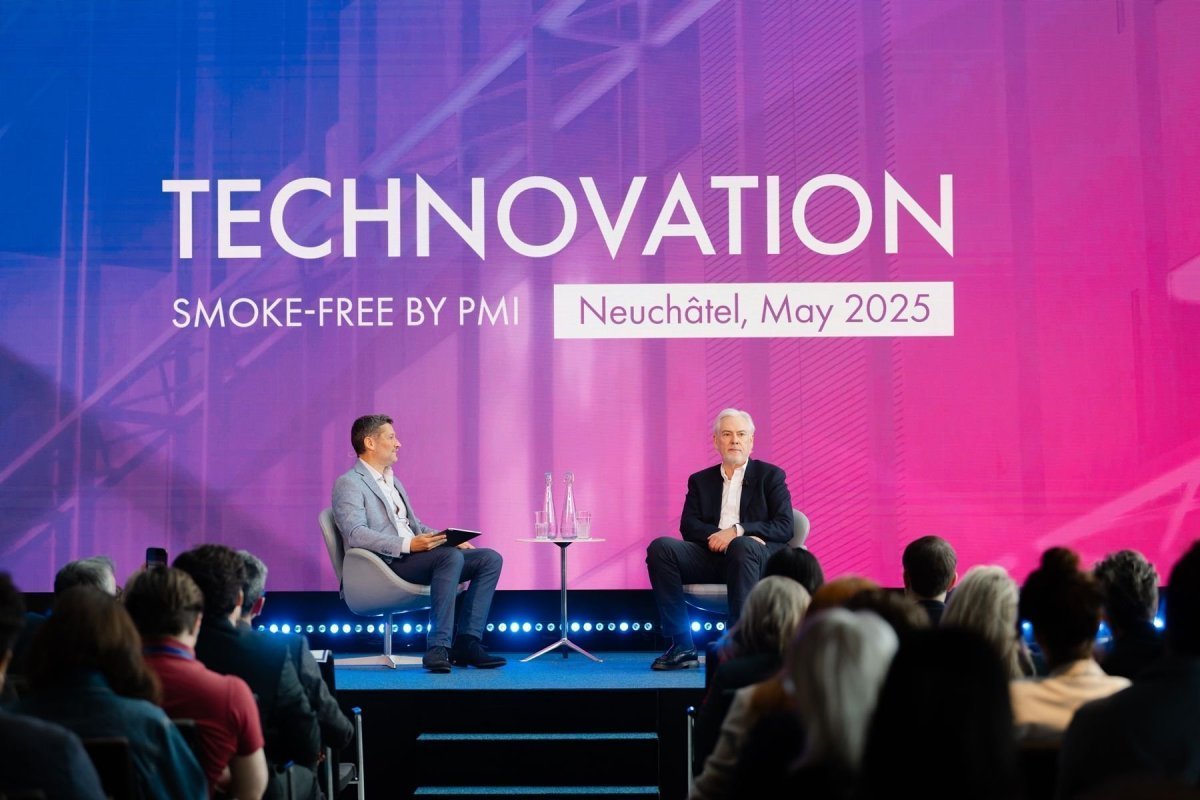
According to information released at the 2025 Technovation conference in Switzerland, the international tobacco brand manufacturers Philip Morris International (PMI) are increasing investment in promoting smokeless electronic devices to reduce the health risks associated with smoking. These alternative products use heating vapor technology instead of traditional tobacco combustion and contain nicotine pouches.


A company spokesperson stated that the health difference lies in the fact that the product does not undergo combustion, which may reduce the harm of cigarettes by about 95% to 99%. Traditional cigarettes, when burned, not only release nicotine naturally present in tobacco, but also generate a large amount of harmful health compounds. Tommaso di Giovanni, Vice President of PMI, pointed out that cigarettes burn at temperatures of 800 to 900 degrees Celsius, producing 6,000 to 7,000 chemical substances, of which around 100 are harmful to health.


In order to reduce the health issues caused by smoking, PMI is focused on replacing smoke with vapor. Although nicotine intake from smoking still poses risks to health, e-cigarettes and smokeless devices may be a safer alternative compared to traditional cigarettes.


E-cigarette devices, such as PMI's Veev, generate vapor by heating e-liquid containing propylene glycol and vegetable glycerin, although they continue to raise health concerns. However, PMI claims that they are 99% less harmful than traditional cigarettes. Additionally, PMI has introduced a nicotine pouch called Zyn in the United States, which delivers nicotine without combustion, meeting the needs of users.


Despite being popular in most countries, novel devices are still banned from being sold in Latin American countries. Nicolas Otte, the Global Head of Preventing Illicit Trade at PMI, believes that the ban will only increase black market trading, causing these devices to enter the market through illegal channels and resulting in a significant loss of tax revenue. Therefore, providing consumers with legitimate channels and necessary health education is the most effective measure to combat the illegal market.


PMI continues to explore globally how to meet the needs of nicotine users without increasing health risks, thereby gradually reducing the prevalence of traditional cigarettes.


We welcome news tips, article submissions, interview requests, or comments on this piece.

Please contact us at info@2firsts.com, or reach out to Alan Zhao, CEO of 2Firsts, on LinkedIn


Notice

1.  This article is intended solely for professional research purposes related to industry, technology, and policy. Any references to brands or products are made purely for objective description and do not constitute any form of endorsement, recommendation, or promotion by 2Firsts.

2.  The use of nicotine-containing products — including, but not limited to, cigarettes, e-cigarettes, nicotine pouchand heated tobacco products — carries significant health risks. Users are responsible for complying with all applicable laws and regulations in their respective jurisdictions.

3.  This article is not intended to serve as the basis for any investment decisions or financial advice. 2Firsts assumes no direct or indirect liability for any inaccuracies or errors in the content.

4.  Access to this article is strictly prohibited for individuals below the legal age in their jurisdiction.


Copyright


This article is either an original work created by 2Firsts or a reproduction from third-party sources with proper attribution. All copyrights and usage rights belong to 2Firsts or the original content provider. Unauthorized reproduction, distribution, or any other form of unauthorized use by any individual or organization is strictly prohibited. Violators will be held legally accountable.

For copyright-related inquiries, please contact: info@2firsts.com


AI Assistance Disclaimer


This article may have been enhanced using AI tools to improve translation and editorial efficiency. However, due to technical limitations, inaccuracies may occur. Readers are encouraged to refer to the cited sources for the most accurate information.

We welcome any corrections or feedback. Please contact us at: info@2firsts.com

German Bundestag Passes Tobacco Tax Hikes: Vape Liquid Duty to Reach €0.44/ml, Heated Tobacco Taxes to Rise and Cigarettes Seen Near €12 a Pack
Germany's Bundestag passed amendments to the Tobacco Tax Act on October 15, 2026, setting out annual excise tax increases from 2027 through 2030 for e-cigarette liquids, heated tobacco, cigarettes and other tobacco products. Under the Finance Committee's amended bill, duty on qualifying e-liquids will rise from €0.32/ml in 2026 to €0.44/ml in 2030, an increase of 37.5%. Heated tobacco will retain its tax calculation based on 80% of the corresponding cigarette excise duty. The average price of a 20-cigarette pack is projected to approach €12 by 2030, with some brands potentially reaching €14. The legislation is projected to generate approximately €11.8 billion in additional tax revenue over four years and remains subject to further legislative procedures.
Regulations
Oct.19
PMI Pushes Smoke-Free Business in Latin America as Argentina Lifts Heated Tobacco Ban, Mexico City Share Tops 7%
Philip Morris International (PMI) showcased IQOS heated tobacco systems and nicotine pouch products at Technovation 2026 in Buenos Aires on October 7–8, presenting research on consumer attitudes, regulatory developments and illicit cigarette trade across Latin America. PMI Chief Global Growth Officer Stefano Volpetti said smoke-free products accounted for more than 7% of the Mexico City market. Argentina repealed its heated tobacco ban in May 2026 and introduced registration requirements for tobacco and nicotine products, while local media reported nicotine pouch sales in Mendoza. A PMI-commissioned survey found that only 8% of respondents across four Latin American countries were familiar with nicotine pouches. A separate KPMG study estimated illicit cigarette consumption at 77 billion sticks across 11 markets in Latin America and Canada in 2025.
PMI
Oct.13
PMI's IQOS Extends ZAMNA Electronic-Music Partnership to Spain as Vogue España Publishes Branded Content
Philip Morris International's IQOS has extended its partnership with electronic-music event brand ZAMNA to Spain, setting up a House of IQOS at ZAMNA Madrid. Vogue España and Time Out Madrid subsequently published branded content clearly labeled as collaborations with IQOS. PMI has also expanded its company-owned IQOS boutique network in Spain to seven cities this year. The company says IQOS's adjusted heated-tobacco market share in Europe reached 12.6% in the first quarter of 2026, with Spain among its stronger-performing European markets.
Sep.20
2Firsts On-Site | CTIHK Showcases Nicotine Pouches, Heated Tobacco and Chinese Cigars at InterTabac 2026
At InterTabac 2026 in Dortmund, China Tobacco International (HK) Company Limited (CTIHK) is exhibiting across two separate booths in Hall 5 and Hall 4. Products observed by 2Firsts include heated tobacco products, nicotine pouches, Chinese cigars and tobacco leaf. Nicotine pouch products on display include TOOP, Shuangxi and Ashima.
Market
Sep.16
Wall Street Journal: U.S. FDA Plans Faster Vape and Nicotine Pouch Reviews, Revisit of 2021 PMTA Rule
The Trump administration is preparing changes intended to accelerate FDA market authorization reviews for e-cigarettes and nicotine pouches, according to The Wall Street Journal. The FDA is expected to revisit its 2021 PMTA rule and may simplify some scientific study requirements and shorten review times. The agency has not formally announced the changes. Over the past year, the FDA has already accelerated nicotine-pouch reviews, expanded ENDS authorizations and upgraded its CTP Portal NextGen application system. As of August 2026, 43 nicotine pouch products and 48 e-cigarette products had received FDA marketing authorization.
Sep.24
2Firsts First Look|China to End VAT Export Rebates on Vape Devices and Nicotine in April 2027, Following Earlier Removal for HTP Devices and Nicotine Vapes
China's Ministry of Finance and State Taxation Administration announced on October 12, 2026, that value-added tax (VAT) export rebates for vape devices, nicotine and its salts, and certain non-combustible inhalation products will be eliminated from April 1, 2027. The measure adds four tobacco- and nicotine-related customs codes, including 8543400010, which covers vape devices and qualifying empty pods. China previously eliminated rebates for nicotine-containing vaping products and devices under code 8543400090 in April 2026. According to industry classification information held by 2Firsts, the latter currently corresponds to heated tobacco devices. Export excise tax refund and exemption arrangements will remain unchanged.
Special Report
Oct.12