PMI's Annual Profit Forecast Declines due to Lowered Heat Tobacco Shipments

PMI by 2FIRSTS.ai
Oct.20.2023
PMI's Annual Profit Forecast Declines due to Lowered Heat Tobacco Shipments
PMI's lower-than-expected shipments of heated tobacco products dampen profit forecasts and overshadow Q3 performance, according to French media Boursorama.

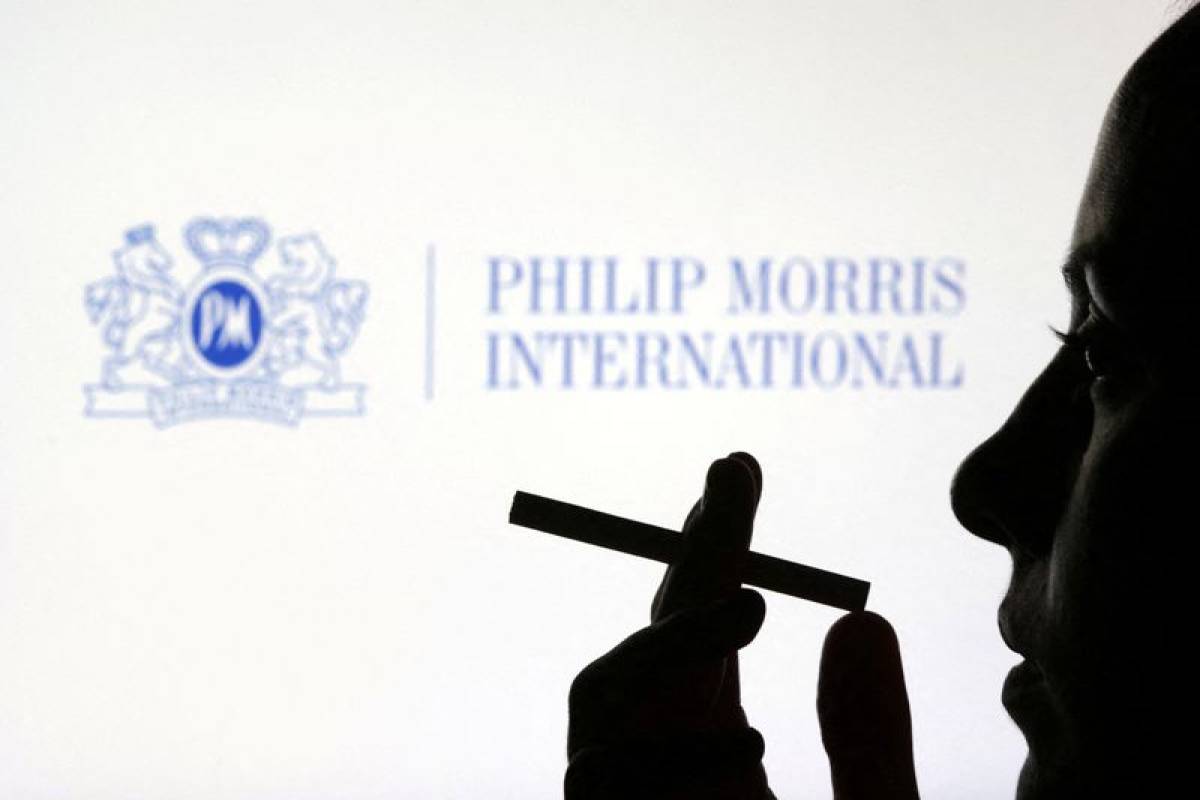
According to a report from Boursorama, a French media outlet, Philip Morris International (PMI) is expecting lower than anticipated shipments of its heated tobacco products this year. This has led to disappointment in the company's upward profit forecast for the year and its underperformance in the third quarter, which exceeded expectations.


Despite playing a significant role in the global tobacco industry, PMI is currently seeking alternatives to tobacco due to the increasing stringency of tobacco regulations and decreasing demands in certain markets. PMI's heated tobacco product, IQOS, has been the company's flagship product in its transition towards tobacco alternatives. Since 2008, PMI has announced investments of over $10 billion in heated tobacco products.


Philip Morris International (PMI) announced that due to delays in its product launch in the Taiwanese market and limited growth in the Russian and Ukrainian markets, as well as uncertainty surrounding the new regulations on heated tobacco products in Europe and its impact on inventory levels, its annual shipment volume of heated tobacco products will be lower than initially projected. This contradicts the optimistic outlook on heated tobacco products that was presented by the company during its investor day in September, shifting the focus away from profit growth.


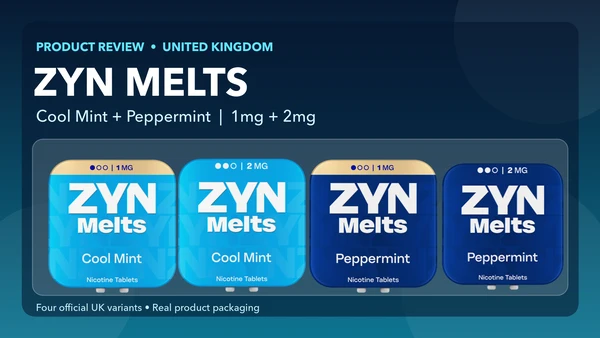
PMI has announced that its adjusted earnings per share for the third quarter were $1.67. According to data provided by LSEG, analysts had an average expectation of earnings per share of $1.61. However, due to increased cigarette prices, demand for heated tobacco products, and the rapid growth of their nicotine pouch brand Zyn, the company has raised its full-year profit forecast and has exceeded expectations in the third quarter.


We welcome news tips, article submissions, interview requests, or comments on this piece.

Please contact us at info@2firsts.com, or reach out to Alan Zhao, CEO of 2Firsts, on LinkedIn


Notice

1.  This article is intended solely for professional research purposes related to industry, technology, and policy. Any references to brands or products are made purely for objective description and do not constitute any form of endorsement, recommendation, or promotion by 2Firsts.

2.  The use of nicotine-containing products — including, but not limited to, cigarettes, e-cigarettes, nicotine pouchand heated tobacco products — carries significant health risks. Users are responsible for complying with all applicable laws and regulations in their respective jurisdictions.

3.  This article is not intended to serve as the basis for any investment decisions or financial advice. 2Firsts assumes no direct or indirect liability for any inaccuracies or errors in the content.

4.  Access to this article is strictly prohibited for individuals below the legal age in their jurisdiction.


Copyright


This article is either an original work created by 2Firsts or a reproduction from third-party sources with proper attribution. All copyrights and usage rights belong to 2Firsts or the original content provider. Unauthorized reproduction, distribution, or any other form of unauthorized use by any individual or organization is strictly prohibited. Violators will be held legally accountable.

For copyright-related inquiries, please contact: info@2firsts.com


AI Assistance Disclaimer


This article may have been enhanced using AI tools to improve translation and editorial efficiency. However, due to technical limitations, inaccuracies may occur. Readers are encouraged to refer to the cited sources for the most accurate information.

We welcome any corrections or feedback. Please contact us at: info@2firsts.com

Russia’s Vape Device Labeling Regime Enters Force: Registration Starts in September, Mandatory Coding in December
Russia's digital labeling regime for reusable e-cigarettes and similar personal vaping devices entered its first mandatory phase in September 2026. From September 1, manufacturers, importers and other market participants must register with the national Chestny ZNAK tracking system. From December 1, newly manufactured and imported covered devices will be required to carry digital identification codes and be reported as entering circulation. Russia has also issued new operational guidance for imports, marking the transition from a voluntary pilot to phased mandatory implementation.
Sep.15
Product | JNR Launches Crown Shisha 100K for International Wholesale, Pairing 58ml Capacity With Triple-Mesh DTL Design
JNR released the Crown Shisha 100K on August 14, 2026, positioning the ultra-high-capacity disposable around a direct-to-lung (DTL) e-shisha experience. The device combines a 58ml e-liquid capacity, triple 1.0Ω mesh coils and a 1,300mAh rechargeable battery, with JNR claiming up to 100,000 puffs. Adjustable airflow, battery and e-liquid status displays, a leather-style exterior and a shisha-inspired sound effect further differentiate the product. JNR is currently promoting the device through international wholesale and distribution channels, while a specific first retail market has not been disclosed.
Aug.31
Special Report|AIR H1 Revenue Rises 3.7% as Shisha Volumes Fall 9%, Testing Its Shift Beyond Traditional Hookah
AIR’s first half-year results as a listed company offer a new test of how far a traditional hookah business can transform. H1 2026 revenue rose 3.7%, even as Flavored Shisha Molasses shipments fell 9%, with pricing and mix supporting growth. Traditional shisha still generates almost all revenue, while OOKA, Crown Switch, Greentank and U.S. regulatory spending point to accelerating diversification. The next test is whether those investments can become a second business of meaningful scale and profitability.
Capital Markets
Aug.21
Retail Case Study | Wisconsin Vape Market One Year After New Regulations: Johnny Vapes Reports 80% Sales Decline as Consumers Shift Online and Across State Lines
According to WNCY on August 24, 2026, some independent vape retailers in Wisconsin say they have faced significant business pressure one year after new vape regulations took effect. Johnny Vapes, a retailer operating in northeast Wisconsin, said its store count fell from seven locations to four, sales declined by about 80%, and roughly 90% of its inventory was affected. Retailers said some consumers have shifted to online purchases or traveled to neighboring Michigan to buy vape products. The case highlights how local regulations can reshape retail operations, inventory management and consumer purchasing patterns.
Aug.28
Exclusive Analysis | Smoore H1 Revenue Rises 19.9% Amid Growth Concentration, Profit Pressure and Slowing Momentum
Smoore’s first-half 2026 revenue rose 19.9%, but the results revealed growing structural risks beneath the headline growth. Heat-not-burn contributed about 61% of incremental revenue and remains driven largely by one core customer, while traditional vaping markets diverged, own-brand growth slowed and China enterprise revenue declined further. Gross profit and adjusted profit lagged revenue growth, while second-quarter revenue growth slowed to about 1.9%, putting greater focus on the quality, concentration and sustainability of Smoore’s expansion.
Capital Markets
Aug.20
Philippines Weighs Unified Vape Tax as Lawmakers Back Risk-Based Rates and Government Seeks to Fill ₱66 Billion Revenue Gap
Philippine lawmakers are considering an overhaul of the country's vape excise-tax regime to eliminate the wide gap between taxes on nicotine salt and freebase nicotine liquids and reduce incentives for misdeclaration. House Bill 5364, filed by Rep. Rufus Rodriguez and Rep. Maximo Rodriguez Jr., would impose a unified ₱10-per-milliliter tax on vapor products, with 5% annual increases beginning in 2027. Rodriguez says the proposal could generate an average ₱6 billion in annual collections from 2027 through 2030. The debate comes as the Philippine government considers tobacco, vape and other health-tax reforms to help offset around ₱66 billion in revenue expected to be forgone under a proposed tax-relief package.
Aug.18