This demand was raised during an event organized by the Society for the Protection of Children's Rights (Sparc), calling for influential individuals on social media to step forward to address the need for a ban on online sales and advertising of emerging tobacco products.
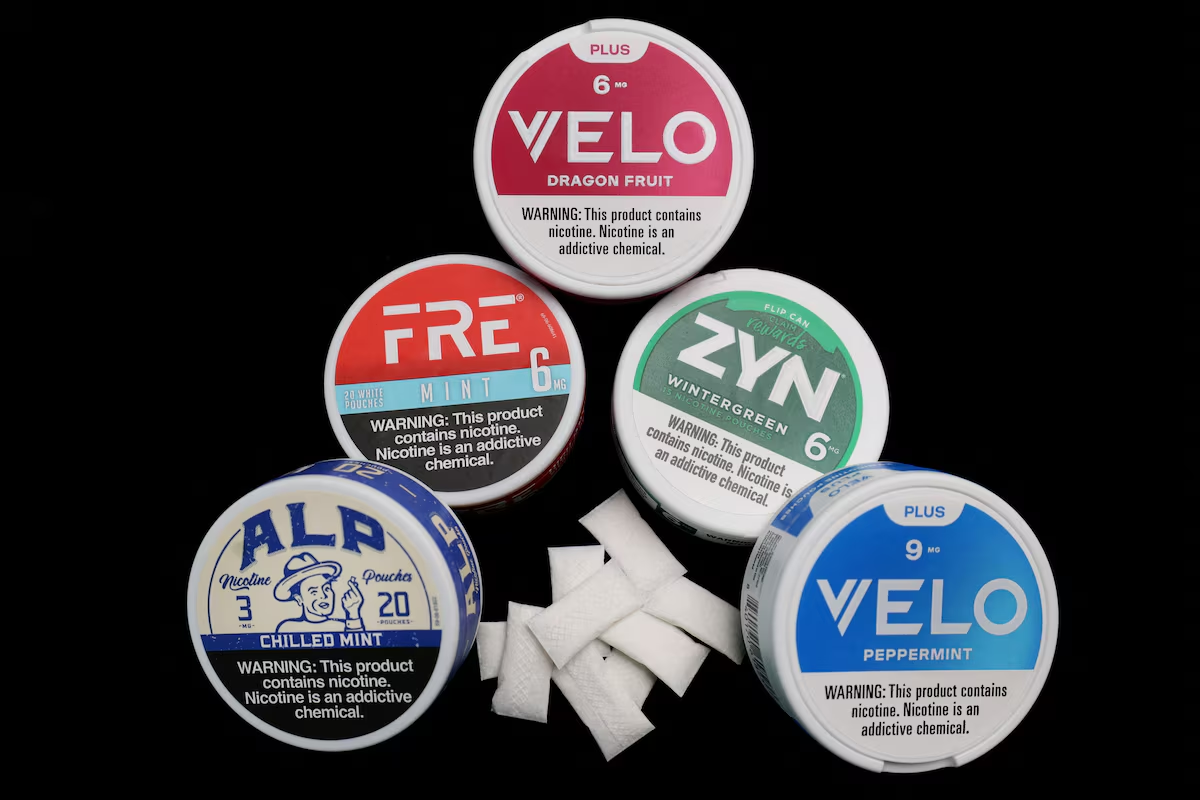
The speaker emphasized that the tobacco industry has been manipulating children and young adults to purchase new tobacco products such as e-cigarettes, nicotine pouches, and heated tobacco products through various marketing strategies on social media.
Malik Imran Ahmed, the representative of Smoke-free Children's Movement, expressed his concerns about the tobacco industry and stated that they are implementing advanced strategies to introduce new nicotine and tobacco products to the market.
By introducing the concept of healthier smoking alternatives, the tobacco industry has entered the local market and is now engaging in online sales and promotions. The industry claims that these new tobacco products are less harmful and only intended for smokers looking to quit, but this is misleading to the general public.
However, these products are being openly promoted and sold online to young, new consumers. This indicates that these products are not healthier alternatives, but rather tools to attract new consumers, without consideration for the possible harm they may cause to the health of children and adolescents," he said.
Dr. Ziauddin Islam, the representative of Vital Strategies in the country, has stated that the tobacco industry is polluting Pakistan with emerging online sales and advertising of new products. This underscores the urgency to prohibit them from conducting online sales and advertising of emerging tobacco products in Pakistan.
Approximately 31 million people in Pakistan consume tobacco, and the introduction of new products is expected to increase this number. Social media is also being used to increase the number of tobacco users, as online platforms are open to the tobacco industry to promote the sale and advertising of harmful emerging products, according to a spokesperson.
Khalil Ahmed Dogar, project manager for Sparc, has stated that due to weak policies regarding online advertising and sales, new tobacco products such as nicotine pouches, e-cigarettes, and heated tobacco products can easily be purchased online.
He urged the government to consider this situation as an urgent matter concerning children's rights, as it will directly harm their health, education, and future development.
Policy makers have a responsibility to ensure that the country does not implement anti-child policies. The government must prohibit the advertising and sale of such harmful products, particularly online displays of these products, as social media is a massive platform influencing young people in Pakistan," he said.
Disclaimer
This article is provided solely for professional research, industry discussion, and informational purposes. Any references to brands, companies, products, technologies, or policies are made for factual reporting and analytical purposes only, and do not constitute endorsement, recommendation, promotion, or advertising by 2Firsts.
Nicotine-containing products, including but not limited to cigarettes, e-cigarettes, heated tobacco products, and nicotine pouches, carry significant health risks. Readers are responsible for complying with all applicable laws and regulations in their respective jurisdictions, including age restrictions and access limitations.
The information contained in this article should not be regarded as investment, legal, medical, regulatory, or commercial advice. While 2Firsts strives to ensure the accuracy and reliability of its content, it does not assume liability for any direct or indirect loss arising from errors, omissions, inaccuracies, or reliance on the information contained herein.
This article is not intended for individuals below the legal age for accessing tobacco or nicotine-related information in their jurisdiction.
Copyright Notice
This article is either original content produced by 2Firsts or content reproduced, translated, summarized, or adapted from third-party sources with attribution where applicable. The intellectual property rights of the original content remain with 2Firsts or the respective original rights holders.
No individual or organization may copy, reproduce, distribute, republish, modify, translate, or otherwise use this content without prior authorization. Any unauthorized use may result in legal action.
For copyright-related inquiries, corrections, or removal requests, please contact: info@2firsts.com.
AI-Assisted Translation and Editing Notice
Portions of this article may have been translated, edited, or reviewed with the assistance of artificial intelligence tools to improve efficiency and readability. Due to the limitations of AI-assisted translation and editing, discrepancies, omissions, or inaccuracies may exist when compared with the original source.
Where applicable, readers are advised to refer to the original source for the most complete and accurate information. If you identify any errors or believe that any content infringes upon your rights, please contact us at info@2firsts.com, and we will review and address the matter promptly.