Puff City Fined for Selling Tobacco/E-Cigarette to Minors

Regulations by 2FIRSTS.ai
Jan.09.2024
Puff City Fined for Selling Tobacco/E-Cigarette to Minors
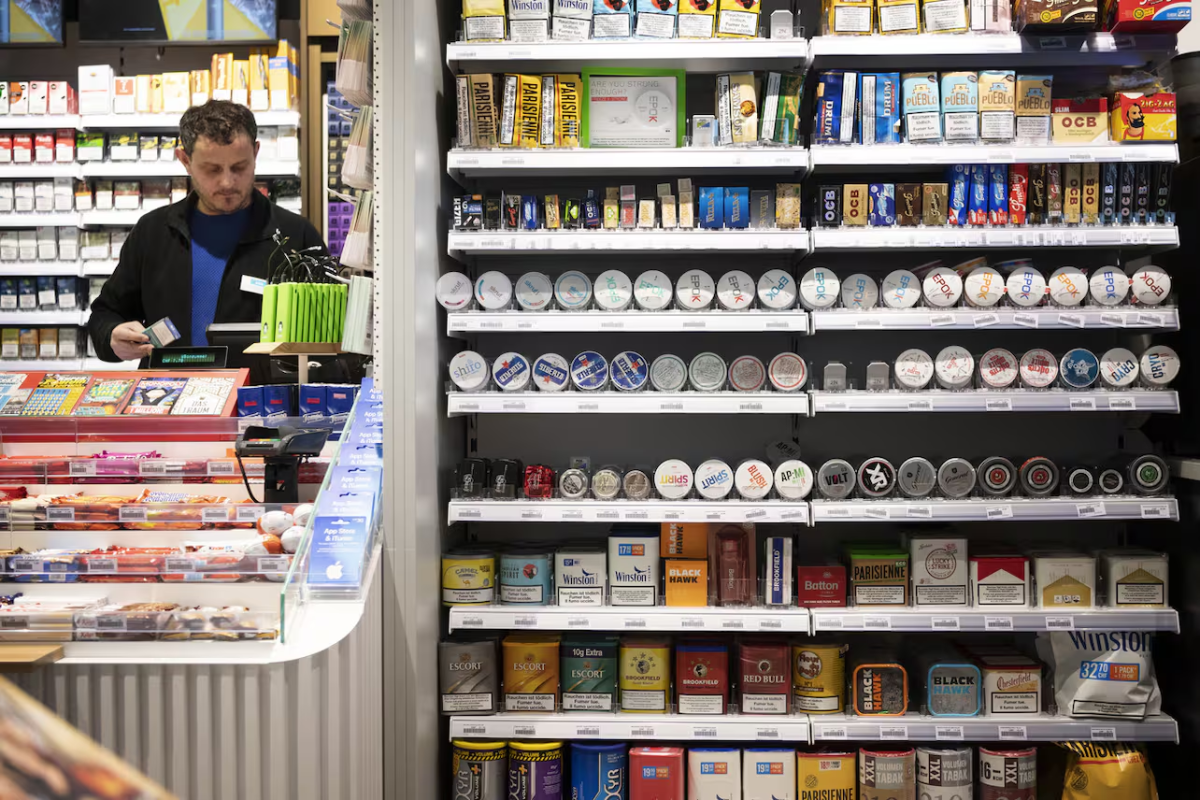
Puff City, a tobacco shop in Fairfield, Connecticut, has been fined by the state government for selling tobacco/e-cigarette products to minors.

According to information from Shutterstock, Puff City, a tobacco store in Fairfield, Connecticut, has been fined by the state government for selling tobacco/e-cigarette products to minors.


Puff City is one of the 15 Fairfield retailers selling tobacco products that underwent a compliance check on October 20th. The Fairfield Police Department recruited "two young decoys" for this compliance check, sending them to the store to see if they could purchase tobacco/e-cigarette products without undergoing age verification.


According to Cathy Hazlett, MPH, the Director of the Fairfield Care Community Alliance project, out of the 15 stores inspected, only Puff City did not pass.


The Fairfield Police had previously closed down Puff City due to selling cigarettes to young people, according to Hartzlet in a statement, who also thanked the department for their efforts.


I hope that Puff City can properly train their staff to verify identification, learn to recognize counterfeit identification, and refrain from selling tobacco to anyone under the age of 21.


Hazelite states, "E-cigarettes are not safer than smoking traditional cigarettes. E-cigarettes are another way to intake nicotine, one of the most addictive substances, along with a range of toxic chemicals that can potentially lead to lung disease and cancer. Unfortunately, many young people are using e-cigarettes with various flavored nicotine options such as fruits, candies, or desserts, and the nicotine content in these products is often much higher than that found in a pack of cigarettes.


We welcome news tips, article submissions, interview requests, or comments on this piece.

Please contact us at info@2firsts.com, or reach out to Alan Zhao, CEO of 2Firsts, on LinkedIn


Notice

1.  This article is intended solely for professional research purposes related to industry, technology, and policy. Any references to brands or products are made purely for objective description and do not constitute any form of endorsement, recommendation, or promotion by 2Firsts.

2.  The use of nicotine-containing products — including, but not limited to, cigarettes, e-cigarettes, nicotine pouchand heated tobacco products — carries significant health risks. Users are responsible for complying with all applicable laws and regulations in their respective jurisdictions.

3.  This article is not intended to serve as the basis for any investment decisions or financial advice. 2Firsts assumes no direct or indirect liability for any inaccuracies or errors in the content.

4.  Access to this article is strictly prohibited for individuals below the legal age in their jurisdiction.


Copyright


This article is either an original work created by 2Firsts or a reproduction from third-party sources with proper attribution. All copyrights and usage rights belong to 2Firsts or the original content provider. Unauthorized reproduction, distribution, or any other form of unauthorized use by any individual or organization is strictly prohibited. Violators will be held legally accountable.

For copyright-related inquiries, please contact: info@2firsts.com


AI Assistance Disclaimer


This article may have been enhanced using AI tools to improve translation and editorial efficiency. However, due to technical limitations, inaccuracies may occur. Readers are encouraged to refer to the cited sources for the most accurate information.

We welcome any corrections or feedback. Please contact us at: info@2firsts.com

Kantar Study Finds More Than 93% of Vape Products in Ukraine Fail Regulatory Requirements
According to Interfax-Ukraine, a study conducted by market research firm Kantar Ukraine at the request of major tobacco companies found that more than 93% of vape products in Ukraine did not fully comply with regulatory requirements. The research examined product categories, brand distribution and consumer purchasing channels, showing that pod systems and disposable vapes represent major segments of the market, while offline retail remains the dominant purchasing channel. The findings highlight ongoing compliance challenges in Ukraine’s vape market.
Aug.26
Switzerland Tightens Vape Checks as Only 3 of 32 Tested Products Meet New Tobacco Rules
According to Swiss media outlet Blick, local authorities are strengthening compliance checks on vape products, nicotine pouches and other tobacco-related products following the implementation of Switzerland’s revised Tobacco Products Act. A Basel laboratory tested 32 disposable vapes and e-liquids, with only three meeting regulatory requirements and 21 products banned from sale. Swiss authorities are also expanding retail inspections, laboratory testing and youth purchase checks to enforce the new tobacco and nicotine product rules.
Aug.12
Japan’s Heated Tobacco Tax Changes Reshape Consumer Choices, Survey Reveals Impact of Price and Income
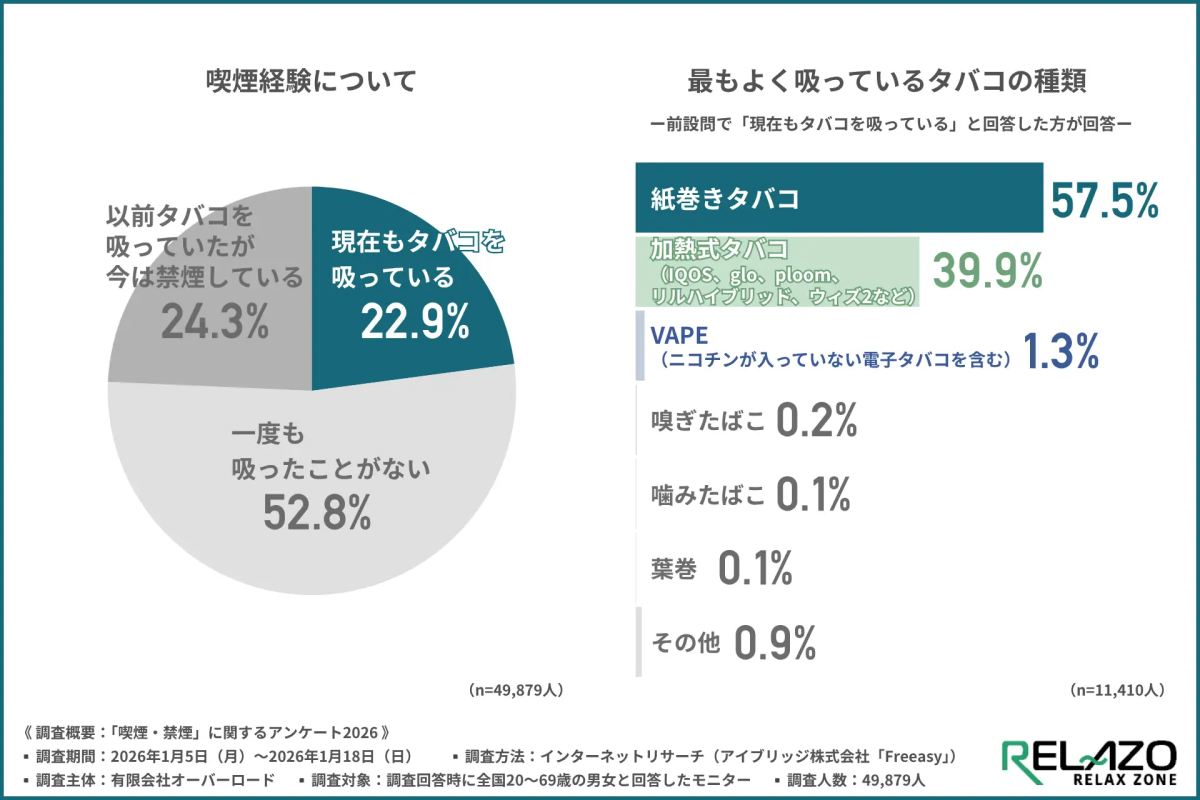
A consumer survey by Japanese heated tobacco information platform RELAZO found that rising tobacco prices and planned heated tobacco tax changes may influence smoking decisions among Japanese consumers. The survey covered 49,879 men and women aged 20 to 69 nationwide. It found that around 40% of respondents cumulatively indicated they may consider quitting when a pack reaches ¥600 (approximately US$4.1), while nearly 90% expressed potential quitting intentions at a ¥1,000 (approximately US$6.8) price level. The survey also found significant differences by income level, with lower-income respondents showing greater sensitivity to price increases.
Jul.24
BAT New Categories Revenue Rises 18% in H1 2026 as Broad Portfolio Offers More Ways to Win—and Lose
British American Tobacco’s New Category revenue rose 18% at constant rates in the first half of 2026. Nicotine-pouch brand Velo expanded rapidly, while Vuse recovered as U.S. enforcement against illicit e-vapor products strengthened. Heated-tobacco platform glo remained under pressure, and cigarettes continued to provide most of the group’s profit and cash. Compared with PMI and JT, BAT has more routes to growth—but also greater regulatory, investment and execution risks across its broader portfolio.
BAT
Jul.30
UK HMRC Urges Public to Report Suspicious Vape Shops in Crackdown on Tax Fraud, Money Laundering and Illicit Tobacco Sales
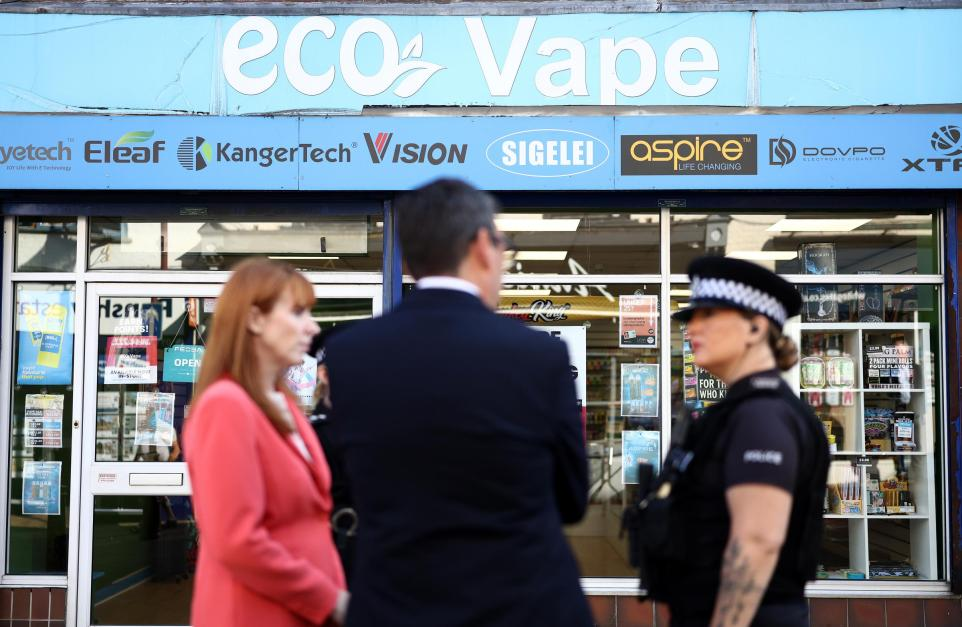
HM Revenue & Customs is urging members of the public to report vape shops, barber shops and other high-street businesses suspected of tax fraud, money laundering or other illegal activity, with informants not required to provide personal details. HMRC plans more than 30,000 interventions in 2026-27 targeting tax fraud, organised crime and illicit activity, including the sale of illegal vapes and tobacco. The push forms part of a broader UK effort to tackle organised crime on high streets, backed by a £30 million government enforcement programme.
Regulations
Aug.17 by 2Firsts Perspectives
PMI Q2 Call: ZYN Growth, IQOS Pricing and a Diverging Global Tobacco Market
Philip Morris International’s second-quarter earnings call offered new detail on its smoke-free strategy. Management said it would increase U.S. investment behind nicotine pouch brand ZYN, keep IQOS focused on volume before stronger pricing, and use SENTIA, DELIA, LEVIA, VEEV and ZYN to manage tax and regulatory pressure across Japan and Europe. Analysts from Goldman Sachs, Morgan Stanley, UBS and other firms also pressed PMI on profitability, market share, cigarette resilience and the durability of its global transformation over coming quarters.
Jul.24