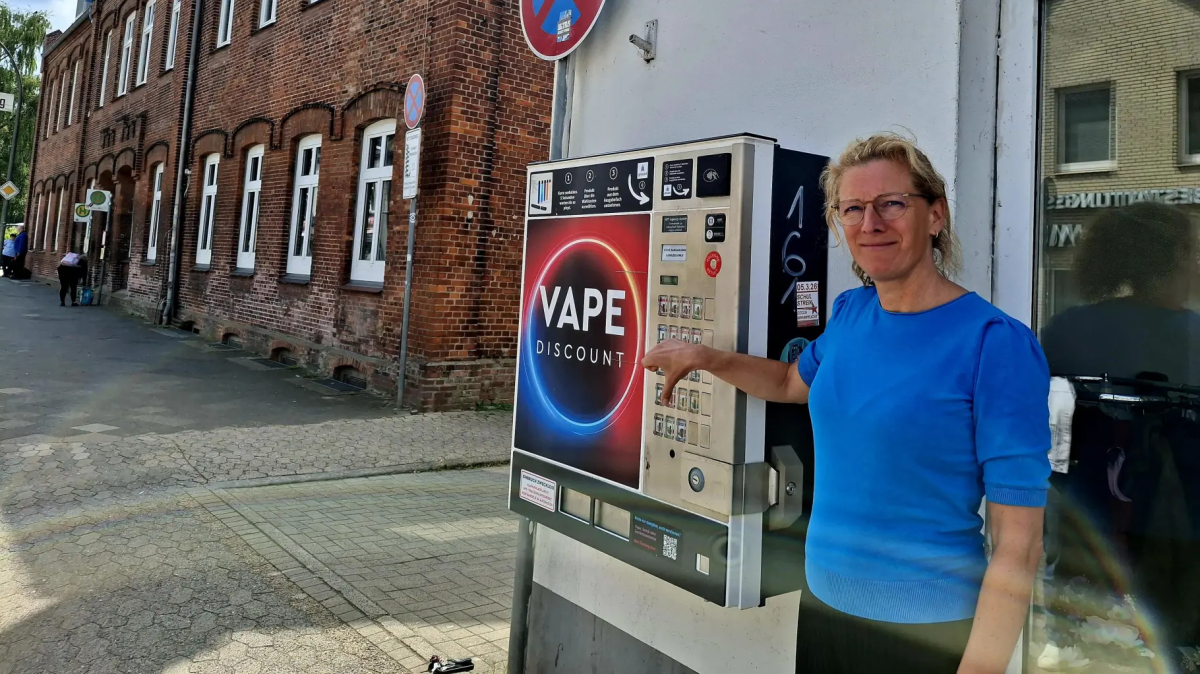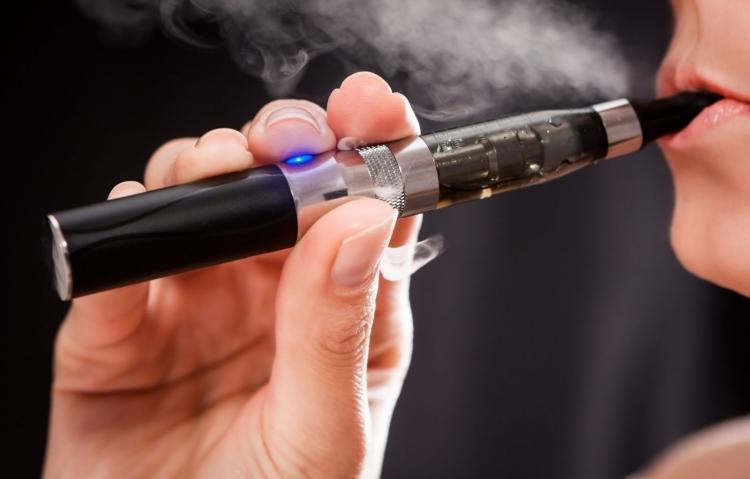
According to reports from foreign media, the Canadian province of Quebec will ban the sale of flavored e-cigarettes starting from October 31st, only allowing the sale of tobacco-flavored e-cigarettes. E-cigarette merchants are concerned that this ban will impact their revenue, as their main income comes from selling flavored products such as fruit or herbal spice flavors.
However, the Quebec government believes that this new regulation will help curb the popularity of these products among more vulnerable populations.
Quebec Health Minister Christian Dubé said in a press release that "these new regulations regarding e-cigarette products aim to protect young people from the harmful and concerning effects of e-cigarettes. It is our responsibility, and we will ensure that these substances are no longer attractive to anyone.
In addition to banning the sale of flavored e-cigarette products, the new regulation also sets a maximum nicotine concentration of 20 mg/ml for all e-cigarette products. The capacity of pods is limited to 2 ml, while bottled e-liquids cannot exceed a maximum capacity of 30 ml.
Jonathan Théroux, owner of three Vape Dépôt stores, one of which is located in Saint-Jean-sur-Richelieu, acknowledges that the tightening regulations on e-cigarette products will have an impact on his business. He stated, "Sales will definitely decrease. The government's objective is to better protect the health of Quebecers, especially young people, which is a good thing, but it won't solve the problem. The products will continue to circulate. Consumers will seek the black market or purchase online." Théroux has been working in this industry for approximately ten years.
Regildong is concerned that banning the sale of flavored e-cigarette products may prompt some adults to start smoking again. Antoine Verjus, owner of a branch of Popavape, shares the same concerns. He hopes customers won't revert to smoking. "The government's stance is extremely strict. Customers are being overlooked. We agree that vaping is not the healthiest choice, but it is still much better than smoking. The government's approach is incorrect because they are trying to prevent minors from starting to vape. This is a punishment for everyone.
According to Winna's statement, the ideal solution should first be a complete ban on the sale of e-cigarette products in convenience stores, similar to the current policy in Ontario province. This measure aims to better control the sales to minors. Despite the expected decrease in revenue, he believes that Popavap will be able to withstand this impact.
Due to the implementation of new regulations, Covap's branch in Saint-Jean-sur-Richelieu is also expected to experience a decline in sales, compounded by the significant construction happening in front of the store, which has slowed down sales. Thomas Sillar, an advisor at Covap, stated, "Over 80% of our sales are flavored products. The majority of customers who purchase these products are between the ages of 35 and 40. Older individuals tend to prefer products with tobacco flavors and aromas.
Jonathan Jardong and Antoine Verdana both express disappointment that while online sales of e-cigarettes and e-cigarette products are allowed in other parts of Canada, Quebec does not permit it. They believe that customers will turn to online shopping to purchase products that are prohibited from being sold in Quebec.
Disclaimer
This article is provided solely for professional research, industry discussion, and informational purposes. Any references to brands, companies, products, technologies, or policies are made for factual reporting and analytical purposes only, and do not constitute endorsement, recommendation, promotion, or advertising by 2Firsts.
Nicotine-containing products, including but not limited to cigarettes, e-cigarettes, heated tobacco products, and nicotine pouches, carry significant health risks. Readers are responsible for complying with all applicable laws and regulations in their respective jurisdictions, including age restrictions and access limitations.
The information contained in this article should not be regarded as investment, legal, medical, regulatory, or commercial advice. While 2Firsts strives to ensure the accuracy and reliability of its content, it does not assume liability for any direct or indirect loss arising from errors, omissions, inaccuracies, or reliance on the information contained herein.
This article is not intended for individuals below the legal age for accessing tobacco or nicotine-related information in their jurisdiction.
Copyright Notice
This article is either original content produced by 2Firsts or content reproduced, translated, summarized, or adapted from third-party sources with attribution where applicable. The intellectual property rights of the original content remain with 2Firsts or the respective original rights holders.
No individual or organization may copy, reproduce, distribute, republish, modify, translate, or otherwise use this content without prior authorization. Any unauthorized use may result in legal action.
For copyright-related inquiries, corrections, or removal requests, please contact: info@2firsts.com.
AI-Assisted Translation and Editing Notice
Portions of this article may have been translated, edited, or reviewed with the assistance of artificial intelligence tools to improve efficiency and readability. Due to the limitations of AI-assisted translation and editing, discrepancies, omissions, or inaccuracies may exist when compared with the original source.
Where applicable, readers are advised to refer to the original source for the most complete and accurate information. If you identify any errors or believe that any content infringes upon your rights, please contact us at info@2firsts.com, and we will review and address the matter promptly.