Key Points
- FDA loosens vape regulation;
- Hundreds of products may benefit;
- Tobacco firms lobbied for change;
- Public health concerns intensify.
2Firsts
May 26, 2026
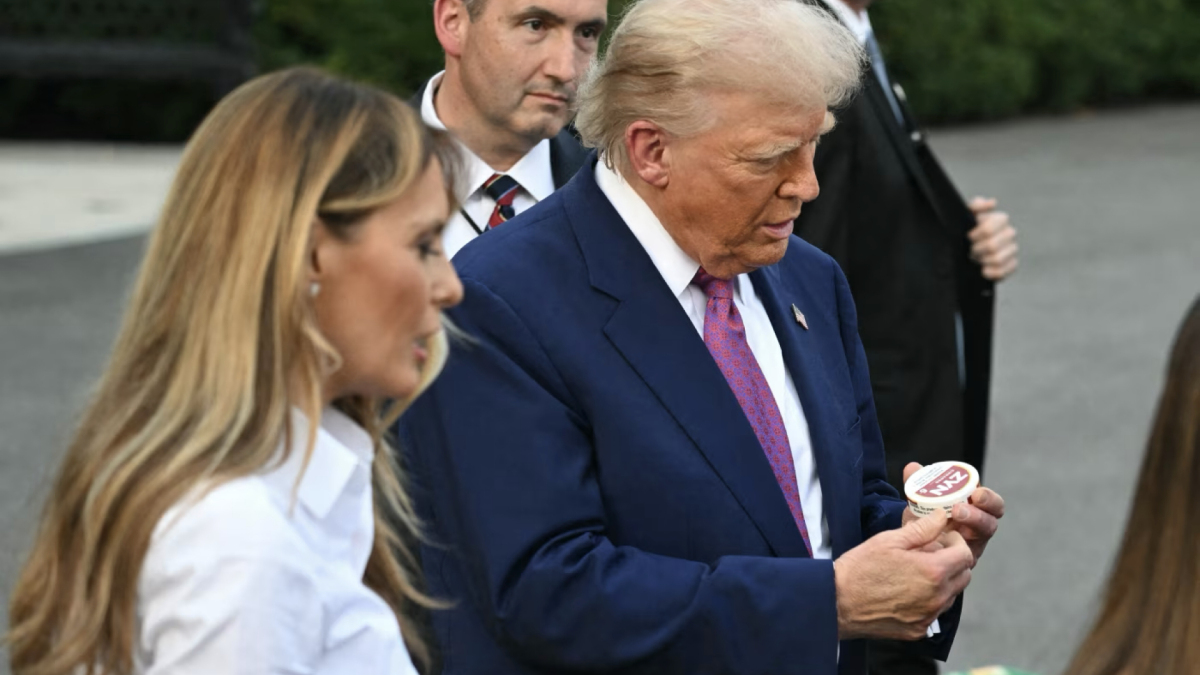
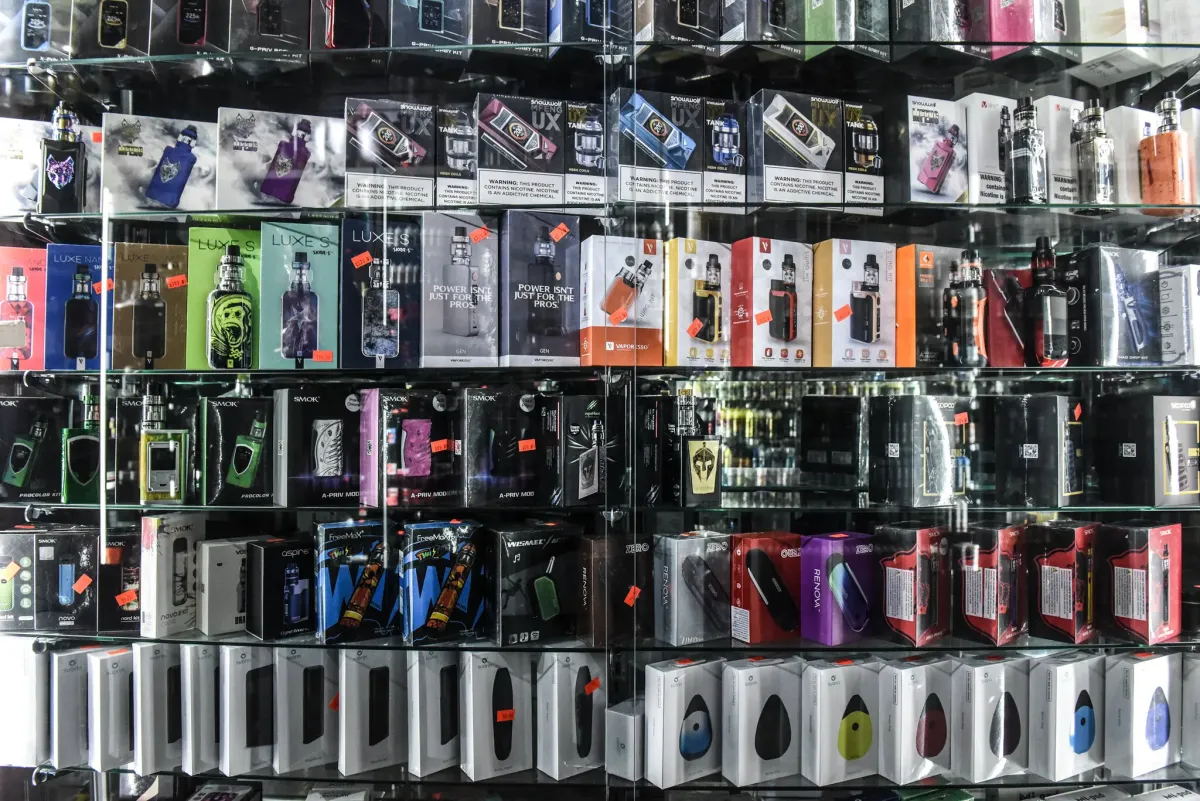
According to Reuters, major tobacco companies may emerge as key beneficiaries after the U.S. Food and Drug Administration (FDA) loosened regulations on vaping products and nicotine pouches.
Reuters reported that the FDA said earlier this month it would exercise “enforcement discretion” for certain unauthorized vaping products whose applications meet specified standards, meaning regulators may temporarily refrain from enforcement action.
For years, the FDA had required vaping products to obtain premarket authorization before being sold, partly to limit youth access to such products.
Citing three current and former Trump administration officials, Reuters said the new policy could allow hundreds of vape and nicotine pouch products to enter the U.S. market in the coming weeks and months.
One official said around 100 to 200 products could immediately benefit from the policy shift.
Another source familiar with the FDA review process said approximately 1,000 applications are already at the scientific review stage, indicating manufacturers have submitted sufficient data to potentially qualify under the new policy.
Reuters noted that these figures had not previously been publicly reported.
Two former FDA tobacco chiefs said the Trump administration’s policy shift bypassed the months-long public consultation process typically required for major regulatory changes.
Critics said the move raised questions about public health and consumer risks.
Reuters reported that tobacco companies had aggressively lobbied the Trump administration to change the FDA’s vaping policies.
A Reuters chart showed that major tobacco and vape companies and industry groups contributed more than $22 million to Trump-linked political organizations, super PACs, and inaugural committees.
Contributors included:
- Reynolds American: about $18 million;
- Altria: about $2 million;
- Vapor Technology Association: about $1.3 million;
- Juul: about $1 million.
One official briefed on recent meetings said tobacco executives argued during a meeting with President Donald Trump earlier this month that previous FDA policies had allowed a large illegal market dominated by Chinese vape products to flourish.
The report cited estimates from tobacco companies and market research firm Euromonitor showing that at least 70% of U.S. vape sales are illegal, with the market valued at around $8 billion in 2024.
Brian King, former director of the FDA’s Center for Tobacco Products, said the new guidance reflects “a longstanding ask by industry.”
However, Campaign for Tobacco-Free Kids warned that the policy could increase the legal sale of flavored vaping products and expose more young people to nicotine products.
FDA data showed that around 1.4 million U.S. teenagers, or approximately 5% of youth, reported vaping in 2025, down from a peak of more than 6 million in 2019.
Vaughan Rees of Harvard University’s School of Public Health said:
“Clearly, we want to keep nicotine out of the hands of young people, but for adults who smoke, we need alternatives.”
Andrew Nixon, spokesperson for the U.S. Department of Health and Human Services (HHS), said the new guidance aims to strengthen enforcement against illegal and unauthorized nicotine products while supporting a transition toward a regulated marketplace.
White House spokesperson Kush Desai said Trump has consistently supported expanding access to vapes and nicotine pouches because such products may help adults quit smoking.
Reuters said Trump’s interest in flavored vaping products dates back to his first presidential term.
According to three officials cited by Reuters, Trump still believes vaping products are important for maintaining support among young male voters.
The report also said that since 2024, tobacco companies and industry groups have strengthened ties with Trump-aligned political circles through campaign donations, inauguration sponsorships, and lobbying efforts.
Reynolds American, a unit of British American Tobacco, donated $5 million to Trump-linked super PAC MAGA Inc. days before the meeting with Trump, according to campaign finance filings.
Reuters reported that after meeting with tobacco executives, Trump called Health Secretary Robert F. Kennedy Jr.
One official said Kennedy subsequently directed FDA and HHS staff to move forward with the policy change.
Industry analysts said the shift could boost sales of nicotine pouches and vaping products.
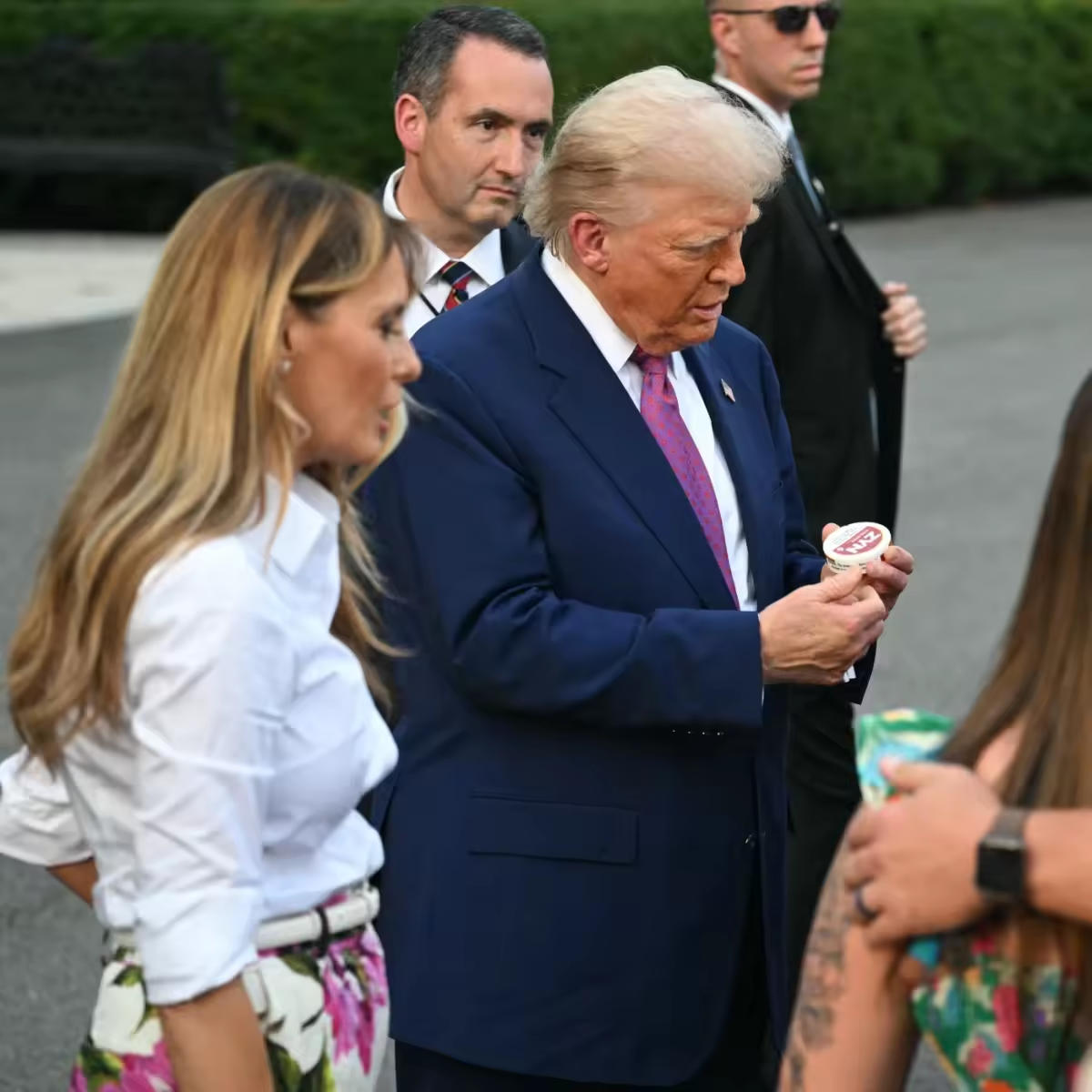
Barclays analyst Pallav Mittal estimated that Philip Morris International could sell an additional 12 million Zyn nicotine pouch products this year.
Analysts also said Reynolds may launch flavored versions of its Vuse vaping products.
However, former FDA tobacco chief Mitch Zeller warned that under the new policy, adult smokers could end up using products that have not been fully tested and may later be found to contain harmful chemical levels or provide limited smoking cessation benefits.
He said:
“The political influence on the FDA is really bad for public health, and it’s really bad for the public’s faith in government.”
(Cover Image:Saul Loeb / AFP / Getty Images / WSJ)
Disclaimer
This article is provided solely for professional research, industry discussion, and informational purposes. Any references to brands, companies, products, technologies, or policies are made for factual reporting and analytical purposes only, and do not constitute endorsement, recommendation, promotion, or advertising by 2Firsts.
Nicotine-containing products, including but not limited to cigarettes, e-cigarettes, heated tobacco products, and nicotine pouches, carry significant health risks. Readers are responsible for complying with all applicable laws and regulations in their respective jurisdictions, including age restrictions and access limitations.
The information contained in this article should not be regarded as investment, legal, medical, regulatory, or commercial advice. While 2Firsts strives to ensure the accuracy and reliability of its content, it does not assume liability for any direct or indirect loss arising from errors, omissions, inaccuracies, or reliance on the information contained herein.
This article is not intended for individuals below the legal age for accessing tobacco or nicotine-related information in their jurisdiction.
Copyright Notice
This article is either original content produced by 2Firsts or content reproduced, translated, summarized, or adapted from third-party sources with attribution where applicable. The intellectual property rights of the original content remain with 2Firsts or the respective original rights holders.
No individual or organization may copy, reproduce, distribute, republish, modify, translate, or otherwise use this content without prior authorization. Any unauthorized use may result in legal action.
For copyright-related inquiries, corrections, or removal requests, please contact: info@2firsts.com.
AI-Assisted Translation and Editing Notice
Portions of this article may have been translated, edited, or reviewed with the assistance of artificial intelligence tools to improve efficiency and readability. Due to the limitations of AI-assisted translation and editing, discrepancies, omissions, or inaccuracies may exist when compared with the original source.
Where applicable, readers are advised to refer to the original source for the most complete and accurate information. If you identify any errors or believe that any content infringes upon your rights, please contact us at info@2firsts.com, and we will review and address the matter promptly.