Key Points
- Trump held tobacco stocks;
- Industry donated over $24m;
- FDA eased some nicotine rules;
- Critics cite conflict concerns;
- Industry highlights harm reduction.
2Firsts
June 12, 2026
A report published by KFF Health News says President Donald Trump held investments in tobacco companies while receiving support from tobacco-industry-linked political donors during a period in which his administration pursued policies viewed as favorable to the nicotine sector.
According to the report, Trump held up to US$1.64 million worth of stock in Philip Morris International (PMI) this year.
Financial disclosures also showed holdings in Altria and other tobacco companies, although the precise scale of those investments remains unclear because of inconsistencies in some disclosure filings.
KFF Health News cited federal campaign finance records showing that tobacco interests have contributed more than US$20 million to MAGA Inc., the super PAC supporting Trump, since late 2023.
Trump’s inauguration reportedly received nearly US$4 million more from tobacco-related interests.
The report noted that on April 30, 2026, one week before the FDA released new guidance affecting the nicotine sector, Reynolds American contributed an additional US$5 million to MAGA Inc.
According to KFF Health News, these financial developments coincided with a series of policy initiatives viewed positively by the tobacco and nicotine industry.
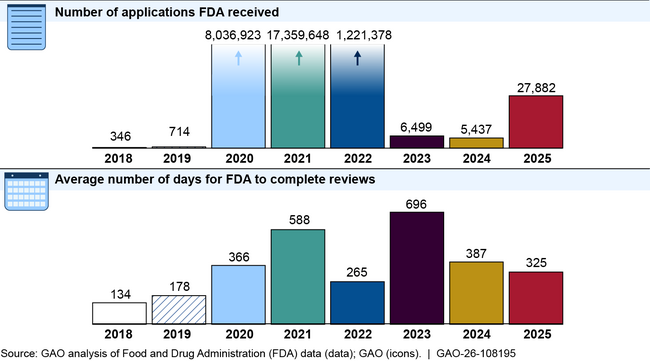
These included pilot programs designed to accelerate approvals for nicotine pouches, policies allowing certain nicotine and vaping products to remain on the market while applications are under review, and approvals of additional vaping products.
The administration has also expanded enforcement efforts against illicit e-cigarettes.
Investment analysts have argued that such measures could benefit large, regulated tobacco companies.
Goldman Sachs analysts previously noted that newer nicotine products generate substantially higher margins than conventional cigarettes.
For example, PMI expects its ZYN nicotine pouch business to generate gross profits roughly eight times higher than its cigarette portfolio.
The report noted that during his campaign for a second term, Trump publicly claimed that he had “saved” flavored vaping products and criticized Democratic efforts to restrict them.
In May, the FDA issued guidance allowing manufacturers to continue marketing certain vaping and nicotine pouch products while awaiting agency review.
The agency also authorized additional vaping products.
Those decisions drew criticism from public health groups.
American Lung Association CEO Harold Wimmer said it was concerning to see the FDA change direction after years of highlighting the risks flavored vaping products pose to youth.
Former FDA Center for Tobacco Products Director Mitch Zeller questioned both the scientific basis and procedural process behind the guidance.
Several Democratic senators described the decision as creating a significant commercial opportunity for tobacco companies.
The White House rejected suggestions that policy decisions were influenced by political donations or presidential investments.
White House spokesperson Kush Desai said the administration’s health policies are guided solely by “Gold Standard Science.”
He said FDA actions regarding nicotine pouches and vaping products reflect evidence suggesting such products may help adult smokers quit cigarettes.
PMI also denied any connection between its business interests and government policy decisions.
Company spokesperson Samuel Dashiell said PMI participates in public policy discussions to support public health objectives and provide better alternatives for adult nicotine consumers.
The report also noted that the Trump administration withdrew a Biden-era proposal to ban menthol cigarettes and has continued developing regulatory pathways for nicotine pouches.
Barclays analysts argued that stronger enforcement against illicit e-cigarettes may also benefit legitimate tobacco companies.
Public health organizations, however, warned that regulatory easing combined with cuts to tobacco-control programs could undermine decades of progress in reducing smoking.
Brian King, former director of the FDA’s tobacco office and now an executive at Campaign for Tobacco-Free Kids, said reducing investments in tobacco prevention and control could lead to greater tobacco use and disease burden.
He argued that the United States has achieved significant reductions in smoking over recent decades and that current policy trends could put those gains at risk.
According to KFF Health News, the evolving relationship between tobacco regulation, harm reduction policy and political influence is becoming an increasingly prominent issue in U.S. public health debates.
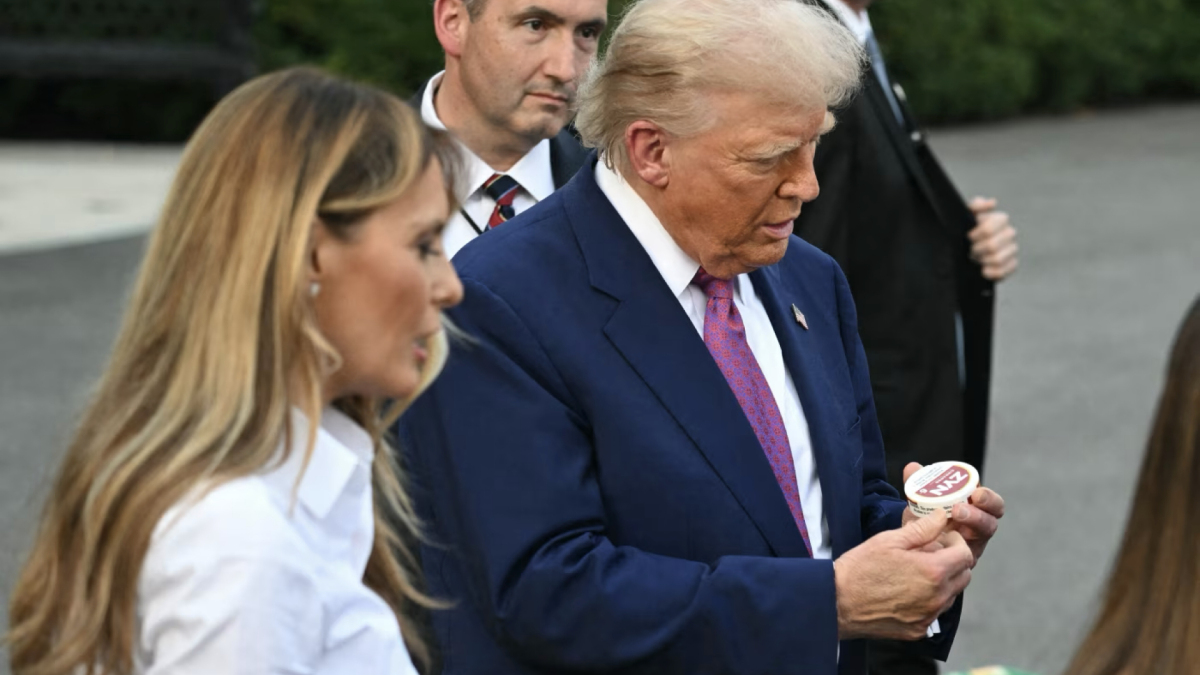

Cover image:KFF Health News
Disclaimer
This article is provided solely for professional research, industry discussion, and informational purposes. Any references to brands, companies, products, technologies, or policies are made for factual reporting and analytical purposes only, and do not constitute endorsement, recommendation, promotion, or advertising by 2Firsts.
Nicotine-containing products, including but not limited to cigarettes, e-cigarettes, heated tobacco products, and nicotine pouches, carry significant health risks. Readers are responsible for complying with all applicable laws and regulations in their respective jurisdictions, including age restrictions and access limitations.
The information contained in this article should not be regarded as investment, legal, medical, regulatory, or commercial advice. While 2Firsts strives to ensure the accuracy and reliability of its content, it does not assume liability for any direct or indirect loss arising from errors, omissions, inaccuracies, or reliance on the information contained herein.
This article is not intended for individuals below the legal age for accessing tobacco or nicotine-related information in their jurisdiction.
Copyright Notice
This article is either original content produced by 2Firsts or content reproduced, translated, summarized, or adapted from third-party sources with attribution where applicable. The intellectual property rights of the original content remain with 2Firsts or the respective original rights holders.
No individual or organization may copy, reproduce, distribute, republish, modify, translate, or otherwise use this content without prior authorization. Any unauthorized use may result in legal action.
For copyright-related inquiries, corrections, or removal requests, please contact: info@2firsts.com.
AI-Assisted Translation and Editing Notice
Portions of this article may have been translated, edited, or reviewed with the assistance of artificial intelligence tools to improve efficiency and readability. Due to the limitations of AI-assisted translation and editing, discrepancies, omissions, or inaccuracies may exist when compared with the original source.
Where applicable, readers are advised to refer to the original source for the most complete and accurate information. If you identify any errors or believe that any content infringes upon your rights, please contact us at info@2firsts.com, and we will review and address the matter promptly.