NYT: Reynolds American Donated $5 Million Before FDA Vape Policy Shift

News
May.21
 NYT: Reynolds American Donated $5 Million Before FDA Vape Policy Shift
According to The New York Times, Reynolds American donated $5 million to a Trump-backed super PAC shortly before the FDA introduced a new policy that could benefit major tobacco companies seeking to sell flavored vaping products.

Key Points

  • Reynolds donated $5 million;
  • FDA issued new vape policy;
  • Trump met tobacco executives;
  • Makary later resigned.

2Firsts

May 21, 2026

According to The New York Times, U.S. tobacco company Reynolds American donated $5 million to “MAGA Inc.,” a Trump-backed super PAC, shortly before the U.S. Food and Drug Administration introduced a new vaping policy that could benefit major tobacco companies.

Campaign finance filings disclosed Wednesday night showed the contribution was made through a Reynolds subsidiary, bringing the subsidiary’s total donations to MAGA Inc. to $8 million.

The report said the donation was made on April 30, 2026.

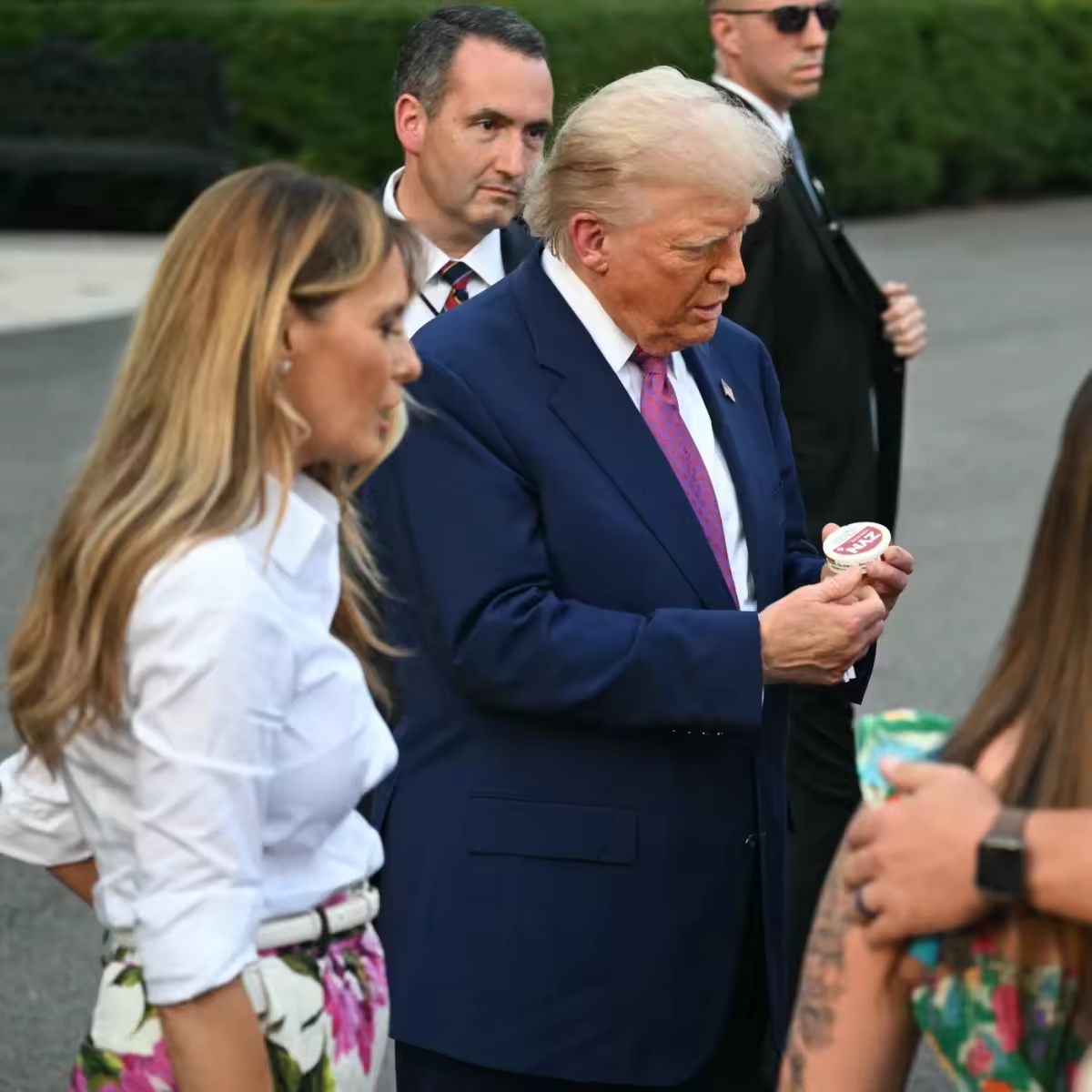
Two days later, a Reynolds American executive and two company lobbyists attended a lunch with President Donald Trump at his golf club in Jupiter, Florida.

Two executives from Altria also attended the meeting.

According to The New York Times, tobacco industry representatives expressed dissatisfaction with the FDA’s regulation of vaping products during the lunch.

Three people briefed on the meeting said Trump interrupted the discussion and called FDA Commissioner Marty Makary.

When Makary did not answer, Trump reportedly contacted Health Secretary Robert F. Kennedy Jr. and Centers for Medicare and Medicaid Services (CMS) Administrator Mehmet Oz.

The sources said Trump complained about the FDA’s regulation of e-cigarettes during the calls.

Less than one week later, the FDA released new vaping guidance.

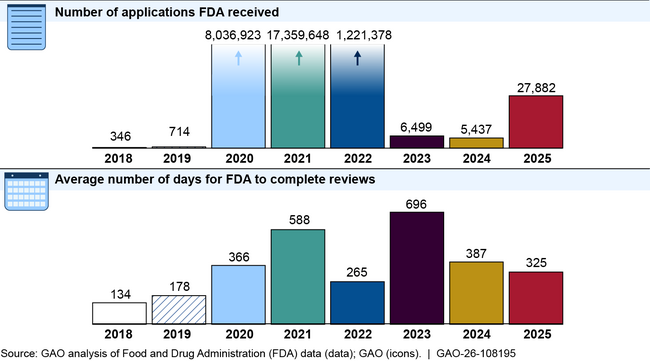
Under the policy, vaping and related nicotine products with completed PMTA applications would not face enforcement action before final scientific review is completed.

The report said the policy could open the door for major tobacco companies to sell flavored vaping products and compete for a share of the approximately $6 billion U.S. e-cigarette market currently dominated in part by illegal Chinese vaping products.

The policy could also allow higher nicotine levels in nicotine pouch products.

According to the report, the policy bypassed the FDA’s traditional rule-making process.

However, it also included a commitment to prioritize enforcement against illegal imported vaping products, an approach that has bipartisan support in Congress.

The New York Times reported that FDA Commissioner Makary resigned four days after the policy announcement.

According to the report, Makary told associates he could not continue leading an agency that supported such a policy.

The developments have intensified scrutiny over ties between the Trump administration and the tobacco industry.

Major U.S. tobacco companies have increasingly pushed for expanded authorization of flavored vaping and nicotine pouch products as traditional cigarette consumption declines.

At the same time, public health groups continue warning that flavored vaping products may increase youth nicotine use.

(Cover Image source: The New York Times)

2FIRSTS | FDA Tobacco Center Pushes Review-Efficiency Statement After Commissioner’s Exit
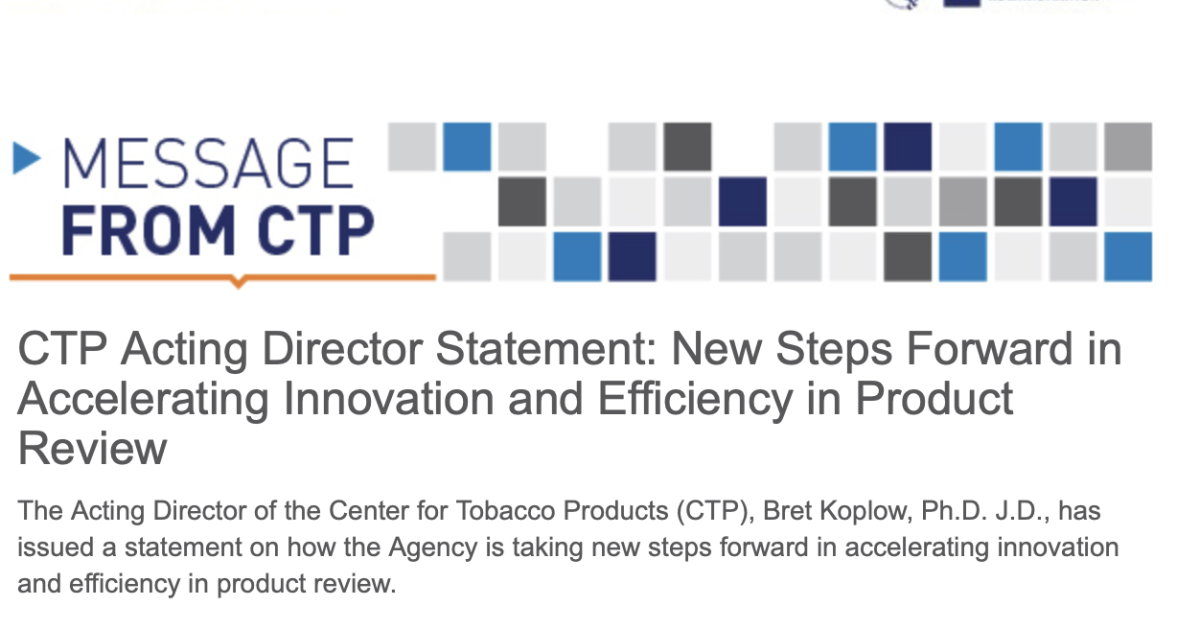
FDA CTP issued a May 7 statement on accelerating product review and improving PMTA efficiency, but did not push it via official X and newsletter until May 13, one day after FDA Commissioner Marty Makary’s resignation was confirmed. FDA has not explained the delay, and no public evidence links it directly to the leadership change. The timing is notable given CTP’s usual 24-hour distribution practice.
www.2firsts.com

2FIRSTS | Zyn Emerges as MAGA Cultural Symbol Amid FDA Policy Shift
According to The Wall Street Journal, nicotine pouch brand Zyn has rapidly gained popularity across the Trump administration and conservative political circles, including among U.S. Health Secretary Robert F. Kennedy Jr.
www.2firsts.com

2FIRSTS | FDA Commissioner Marty Makary Resigns After Opposing Trump Administration’s Flavored Vape Push
FDA Commissioner Marty Makary resigned on May 12 after opposing the Trump administration’s push to authorize fruit-flavored vaping products, according to reporting by The New York Times. Makary reportedly objected over concerns that flavored vapes could attract young people and refused to support broader approvals.
www.2firsts.com

FDA Tobacco Center Pushes Review-Efficiency Statement After Commissioner’s Exit
FDA CTP issued a May 7 statement on accelerating product review and improving PMTA efficiency, but did not push it via official X and newsletter until May 13, one day after FDA Commissioner Marty Makary’s resignation was confirmed. FDA has not explained the delay, and no public evidence links it directly to the leadership change. The timing is notable given CTP’s usual 24-hour distribution practice.
Special Report
May.14
BAT Shares Surge Nearly 6% as FDA Policy Shift Eases Pressure on Vuse and Velo
British American Tobacco (BAT) shares rose sharply on May 12 after the U.S. Food and Drug Administration signaled it would deprioritize enforcement against certain unauthorized e-cigarette and nicotine pouch products with accepted premarket applications. Investors viewed the move as favoring established players such as BAT’s Vuse and Velo brands.
BAT
May.13
 RFK Jr. Spokesman Resigns Over FDA Authorization of Fruit-Flavored Vapes
RFK Jr. Spokesman Resigns Over FDA Authorization of Fruit-Flavored Vapes
Richard Danker, a senior public affairs official in Health Secretary Robert F. Kennedy Jr.’s team, resigned from his role at HHS over the FDA’s recent authorization of fruit-flavored vaping products. In a resignation letter addressed to President Donald Trump, Danker argued that the products could expose minors to nicotine addiction, lung damage, and increased cancer risks, while also conflicting with recent HHS guidance on youth risks associated with flavored nicotine products.
News
May.15
Exclusive|Logistics Operators Warn of Possible New U.S. Border Crackdown on Illicit Vapes
Recent inspections and cargo disruption have led some logistics operators in the China-U.S. vape trade to see early signs of another U.S. border crackdown on illicit e-cigarettes. With late April to early May viewed as a key risk window, the market is watching closely. The bigger question is not only whether enforcement will tighten, but whether it can be sustained.
Special Report
Apr.09
U.S. Military Smoking Debate Spotlights E-Cigarettes and Nicotine Pouches as a “Bridge”
At a policy forum hosted by The Hill and sponsored by PMI US, U.S. defense health officials, lawmakers and industry representatives discussed tobacco use in the military and explored the potential role of smoke-free nicotine products — including e-cigarettes and nicotine pouches — as transitional tools to help service members reduce reliance on combustible cigarettes.
PMI
Mar.23
U.S. Senator Durbin Criticizes FDA’s First Flavored Vape Authorization, Says Trump Administration Conceded to Big Tobacco
U.S. Senator Dick Durbin on May 13 criticized the Trump Administration’s Food and Drug Administration for approving the sale and marketing of fruit-flavored e-cigarettes for the first time, while also allowing some illegal vaping products to remain on the market. He also linked the regulatory shift to the departure of FDA Commissioner Marty Makary, saying White House pressure on regulators to approve tobacco product applications could create serious public-health consequences.
Regulations
May.15