Revocation of Probation for Using Methoxyflurane-containing Electronic Pods

Regulations by 2FIRSTS.ai
Dec.05.2023
Revocation of Probation for Using Methoxyflurane-containing Electronic Pods
Chen was sentenced to one year in prison for using a second-class psychotropic drug, following the revocation of probation.

According to the Prosecutorial Daily on December 5th, Chen, from Yancheng, Jiangsu, had his probation revoked for using the Schedule II psychotropic drug, ethylphenidate. He was sentenced to one year imprisonment to carry out the original sentence.


In September, Mr. Chen purchased four electronic pods containing ethylmethylphenidate through WeChat. Considering he was on probation and hesitant to consume them, he kept the electronic pods hidden at home. On October 1st, the National Medical Products Administration, Ministry of Public Security, and National Health Commission officially included ethylmethylphenidate in the second category of psychotropic drugs. Consequently, Mr. Chen wanted to dispose of these electronic pods as soon as possible.


On the early morning of October 7th, Chen secretly consumed a portion of ethylmethylphenidate electronic pod, thinking he could get away with it. However, he was caught by the police and subsequently detained for 10 days. On October 11th, the Judicial Bureau of Tinghu District proposed to revoke Chen's probation to the Binhai County Court, and the relevant documents were transferred to the Procuratorate of Tinghu District. The Procuratorate conducted an investigation and verification, and after reviewing the case, concluded that Chen's actions met the conditions for revoking probation. They agreed with the proposal from the Judicial Bureau of Tinghu District to revoke Chen's probation.


We welcome news tips, article submissions, interview requests, or comments on this piece.

Please contact us at info@2firsts.com, or reach out to Alan Zhao, CEO of 2Firsts, on LinkedIn


Notice

1.  This article is intended solely for professional research purposes related to industry, technology, and policy. Any references to brands or products are made purely for objective description and do not constitute any form of endorsement, recommendation, or promotion by 2Firsts.

2.  The use of nicotine-containing products — including, but not limited to, cigarettes, e-cigarettes, nicotine pouchand heated tobacco products — carries significant health risks. Users are responsible for complying with all applicable laws and regulations in their respective jurisdictions.

3.  This article is not intended to serve as the basis for any investment decisions or financial advice. 2Firsts assumes no direct or indirect liability for any inaccuracies or errors in the content.

4.  Access to this article is strictly prohibited for individuals below the legal age in their jurisdiction.


Copyright


This article is either an original work created by 2Firsts or a reproduction from third-party sources with proper attribution. All copyrights and usage rights belong to 2Firsts or the original content provider. Unauthorized reproduction, distribution, or any other form of unauthorized use by any individual or organization is strictly prohibited. Violators will be held legally accountable.

For copyright-related inquiries, please contact: info@2firsts.com


AI Assistance Disclaimer


This article may have been enhanced using AI tools to improve translation and editorial efficiency. However, due to technical limitations, inaccuracies may occur. Readers are encouraged to refer to the cited sources for the most accurate information.

We welcome any corrections or feedback. Please contact us at: info@2firsts.com

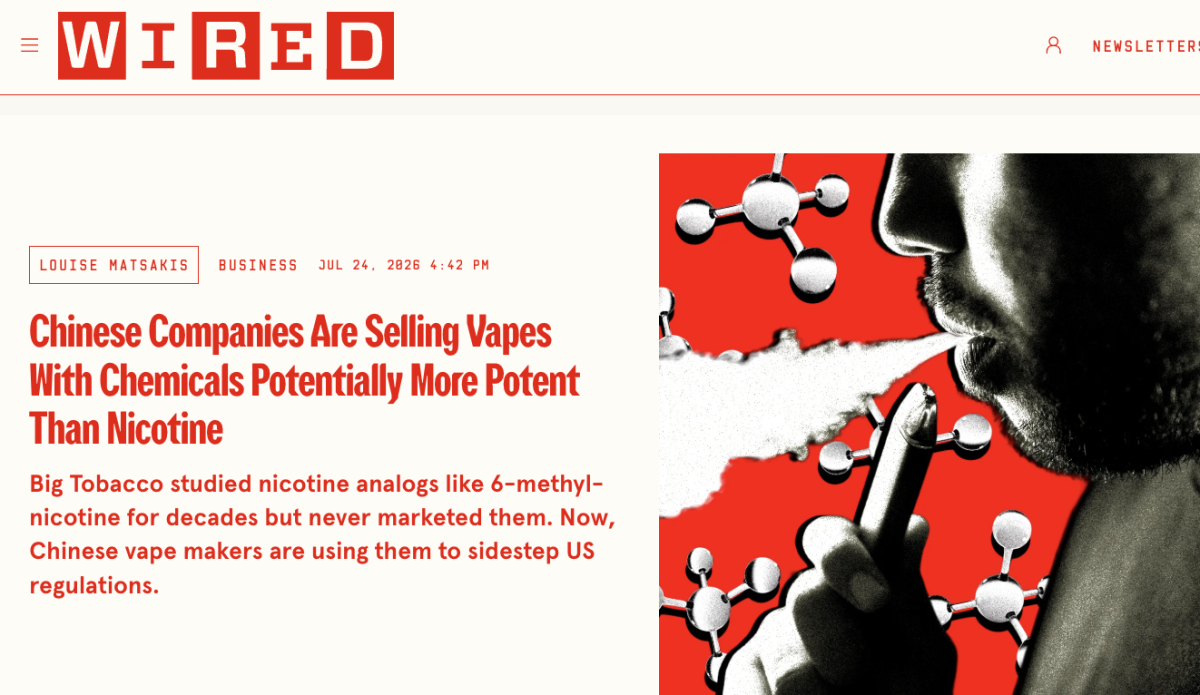
WIRED Investigation: Chinese-Made Vapes Turn to 6-Methyl-Nicotine and Other Analogs, Challenging U.S. Regulation
U.S. technology and investigative publication WIRED has examined how nicotine analogs are emerging as a new challenge for the country’s vape regulatory framework. The article argues that after the U.S. expanded federal oversight of nicotine products in 2022, some manufacturers began using nicotine-like compounds such as 6-methyl-nicotine that may fall outside existing definitions. Researchers cited by WIRED said some nicotine analogs could be more potent than traditional nicotine, although human health impacts remain unclear. U.S. policymakers are considering broader definitions of nicotine to bring these compounds under federal oversight.
Jul.27
Imperial Brands Plans Thousands of Job Cuts Across U.S. and Europe in Cost Restructuring
According to Reuters, citing Bloomberg News, British tobacco company Imperial Brands PLC plans to cut thousands of jobs across the United States and Europe as part of a cost reduction and organizational restructuring effort. The announcement drew market attention to the company’s shares. The move comes as global tobacco companies continue adjusting their operations amid slower cigarette market growth, changing consumer preferences and the transition toward next-generation nicotine products.
Aug.11
Alaska Warns 1,500 Tobacco Retailers Over Unauthorized Vapes and Nicotine Pouches
Alaska Attorney General Stephen J. Cox has sent notices to more than 1,500 tobacco retailers and distributors warning them against selling vape and nicotine pouch products that lack authorization from the U.S. Food and Drug Administration (FDA). According to the Alaska Department of Law, businesses were advised to verify products against FDA authorization databases and avoid selling unauthorized nicotine products. The action highlights how state-level enforcement is increasingly extending federal product authorization requirements to retail channels.
Jul.24
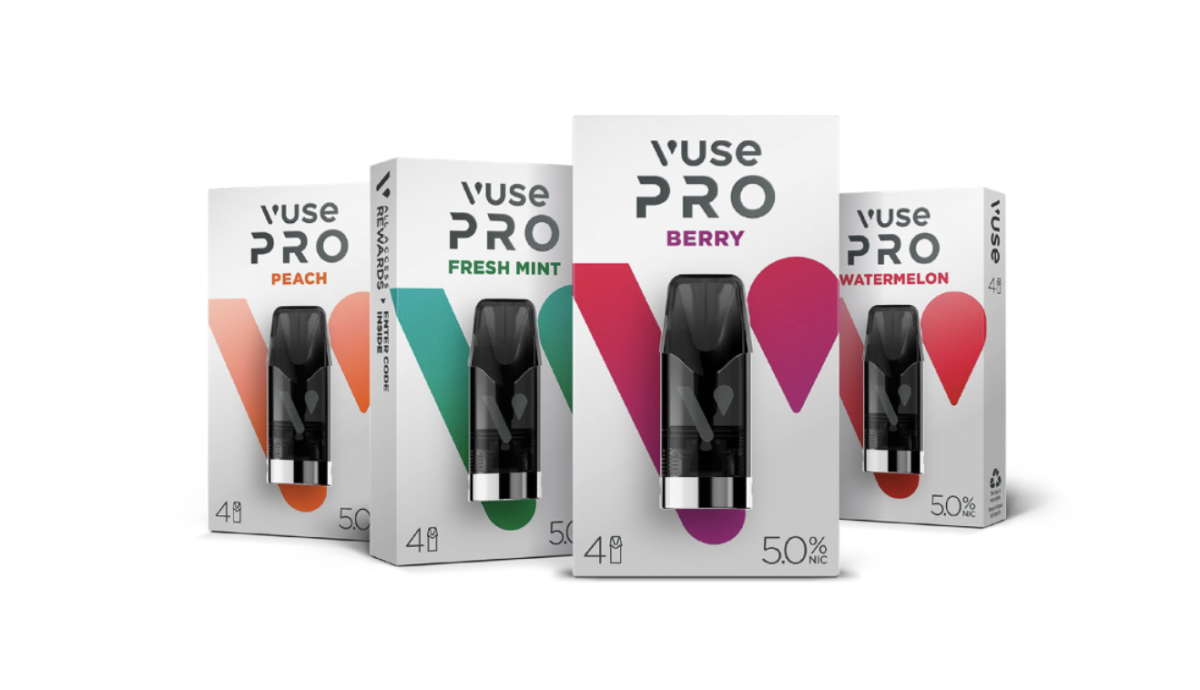
Product | R.J. Reynolds Launches Four Flavored Vuse Pro Pods for Vuse Alto Devices in U.S.
R.J. Reynolds Vapor Company has introduced Vuse Pro prefilled pods in Peach, Berry, Watermelon and Fresh Mint in selected U.S. states. Vuse’s U.S. website says the pods are intended for use with existing Vuse Alto devices. Each contains 2.0 mL of e-liquid at 5.0% nicotine by weight, uses nicotine salts and is offered in two- and four-pod packs. Reynolds said the rollout includes mandatory ID scanning for every purchase, purchase limits, stronger retailer-accountability requirements and strict age-restricted marketing standards. The four pods have not received marketing authorization from the U.S. Food and Drug Administration.
Sep.10
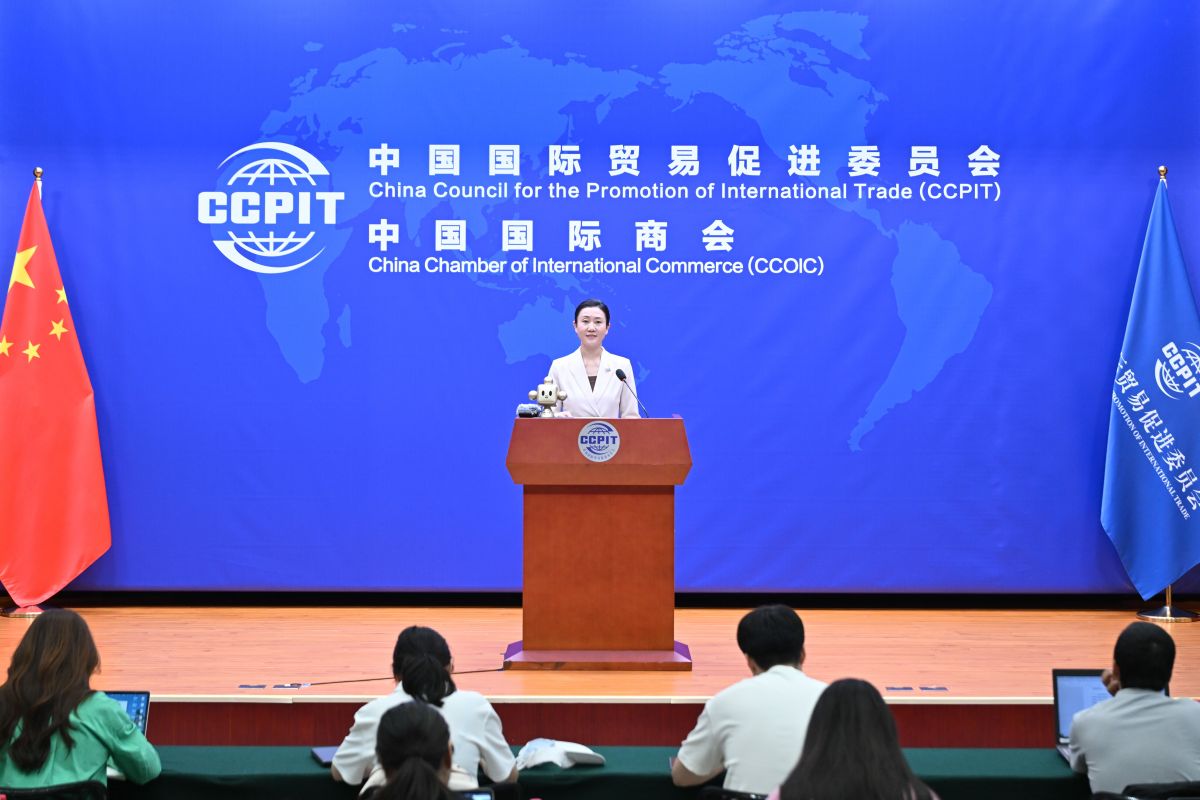
CCPIT Says Trade Friction Index for China-Related Electronics Sector Remains High, With Vape Products Among Areas of Focus
China Council for the Promotion of International Trade (CCPIT) held its July regular press conference on July 31, 2026, releasing the May 2026 Global Economic and Trade Friction Index. CCPIT spokesperson Yang Fan said the global trade friction index stood at 95 in May, remaining at a medium-to-high level. By industry, the electronics sector recorded the highest trade friction index among 13 monitored industries. In China-related trade frictions, the index stood at 93, with electronics products including drones, chips and vape products among areas where friction remained elevated.
Aug.03
JAMA Issues First U.S. Clinical Guidance on Vaping for Smoking Cessation, Urging Complete Switch From Cigarettes
JAMA has published a Special Communication offering systematic recommendations for U.S.-based clinicians on the use of nicotine e-cigarettes in adult smoking cessation. Developed by the Harm Reduction Workgroup of the Society for Research on Nicotine and Tobacco’s Treatment Research Network, the paper recommends including e-cigarettes alongside FDA-approved cessation medications in risk-benefit discussions. It cites high-certainty evidence that nicotine e-cigarettes achieve higher quit rates than nicotine replacement therapy and evidence suggesting efficacy comparable to highly effective medications such as varenicline and cytisine. For adults who choose vaping to quit, the authors recommend FDA-authorized products, sufficient nicotine delivery and a rapid, complete transition away from cigarettes rather than prolonged dual use.
Aug.13