Rising Popularity of E-Cigarettes in US

Mar.07.2025
Rising Popularity of E-Cigarettes in US
CDC report shows US e-cigarette users surpass smokers who quit. Tobacco companies shift focus to alternative products.

Key highlights:


1. A study conducted by The Centers for Disease Control and Prevention (CDC )in the US has shown that the number of e-cigarette users in America has surpassed the number of smokers who have quit.


2. From 2017 to 2023, the number of adults who only smoke decreased by 6.8 million, while the number of adults who only use e-cigarettes increased by 7.2 million.


3. Large tobacco companies are turning to alternative products such as e-cigarettes, claiming they pose less harm in order to retain customers.


CDC in the United States recently released a report showing that the rate of increase in e-cigarette use in the US has exceeded the rate of smokers quitting, Bloomberg reported.


The CDC analyzed data from the National Health Interview Survey from 2017 to 2023. This survey collects up to 32,000 responses from American adults each year regarding the use of e-cigarettes and other tobacco products.


It shows the number of adult smokers in the United States decreased by 6.8 million between 2017 and 2023. However, during the same period, 7.2 million adult Americans started using e-cigarettes.


In addition, several tobacco companies including Altria Group and Philip Morris International are shifting their strategic focus towards alternative products such as e-cigarettes, heated tobacco, and nicotine pouches. 


These companies claim that these new tobacco products are less harmful than traditional tobacco and are using them to retain their customer base.


The CDC stated that despite the long-term decline in smoking rates, tobacco use remains a leading cause of preventable death in the United States. The smoking rate among American adults has decreased from 43% in 1965 to nearly 12% in 2022.


We welcome news tips, article submissions, interview requests, or comments on this piece.

Please contact us at info@2firsts.com, or reach out to Alan Zhao, CEO of 2Firsts, on LinkedIn


Notice

1.  This article is intended solely for professional research purposes related to industry, technology, and policy. Any references to brands or products are made purely for objective description and do not constitute any form of endorsement, recommendation, or promotion by 2Firsts.

2.  The use of nicotine-containing products — including, but not limited to, cigarettes, e-cigarettes, nicotine pouchand heated tobacco products — carries significant health risks. Users are responsible for complying with all applicable laws and regulations in their respective jurisdictions.

3.  This article is not intended to serve as the basis for any investment decisions or financial advice. 2Firsts assumes no direct or indirect liability for any inaccuracies or errors in the content.

4.  Access to this article is strictly prohibited for individuals below the legal age in their jurisdiction.


Copyright


This article is either an original work created by 2Firsts or a reproduction from third-party sources with proper attribution. All copyrights and usage rights belong to 2Firsts or the original content provider. Unauthorized reproduction, distribution, or any other form of unauthorized use by any individual or organization is strictly prohibited. Violators will be held legally accountable.

For copyright-related inquiries, please contact: info@2firsts.com


AI Assistance Disclaimer


This article may have been enhanced using AI tools to improve translation and editorial efficiency. However, due to technical limitations, inaccuracies may occur. Readers are encouraged to refer to the cited sources for the most accurate information.

We welcome any corrections or feedback. Please contact us at: info@2firsts.com

As JUUL2 Wins FDA Authorization, Harm Reduction Journal Highlights the Role of Real-World Evidence in Nicotine Product Regulation
A commentary published in the international open-access, peer-reviewed Harm Reduction Journal argues that randomized controlled trials remain central to evaluating smoking cessation efficacy but cannot alone capture real-world uptake, complete switching, longer-term use and population impact of non-combustible nicotine products such as e-cigarettes, heated tobacco and nicotine pouches. The authors frame impact as “reach × efficacy” and call for real-world evidence to complement RCTs. Three days after publication, the FDA authorized three JUUL2 products and highlighted complete switching among adult smokers in explaining its decision, providing a timely regulatory backdrop to the debate.
Sep.08
Italy and Greece Oppose Ireland’s Nicotine Product Bill, Raising EU Regulatory Concerns
Italy and Greece have opposed Ireland’s proposed nicotine product regulations, arguing that the measures could affect EU market coordination and the free movement of products. Ireland plans to introduce stricter rules covering nicotine products including vapes and nicotine pouches, with measures involving packaging, marketing and sales controls. The dispute highlights differences among EU member states between stronger public health protections and maintaining regulatory consistency within the bloc’s single market.
Jul.29
Research | Swedish Study Finds Oral Lesions in 79% of Examined Nicotine Pouch Users, With Distinct Tissue Responses
A new Swedish study found oral mucosal lesions in 79% of examined nicotine pouch users and 89% of tobacco-derived snus users, with different tissue-response patterns between the two categories. For manufacturers and regulators, the findings shift attention toward product formulation, flavouring, pouch materials and local oral exposure, not only whether a product contains tobacco. The study found no higher prevalence of caries or periodontal disease, but it could not establish causality, long-term outcomes or differences between individual products or designs.
Special Report
Jul.27
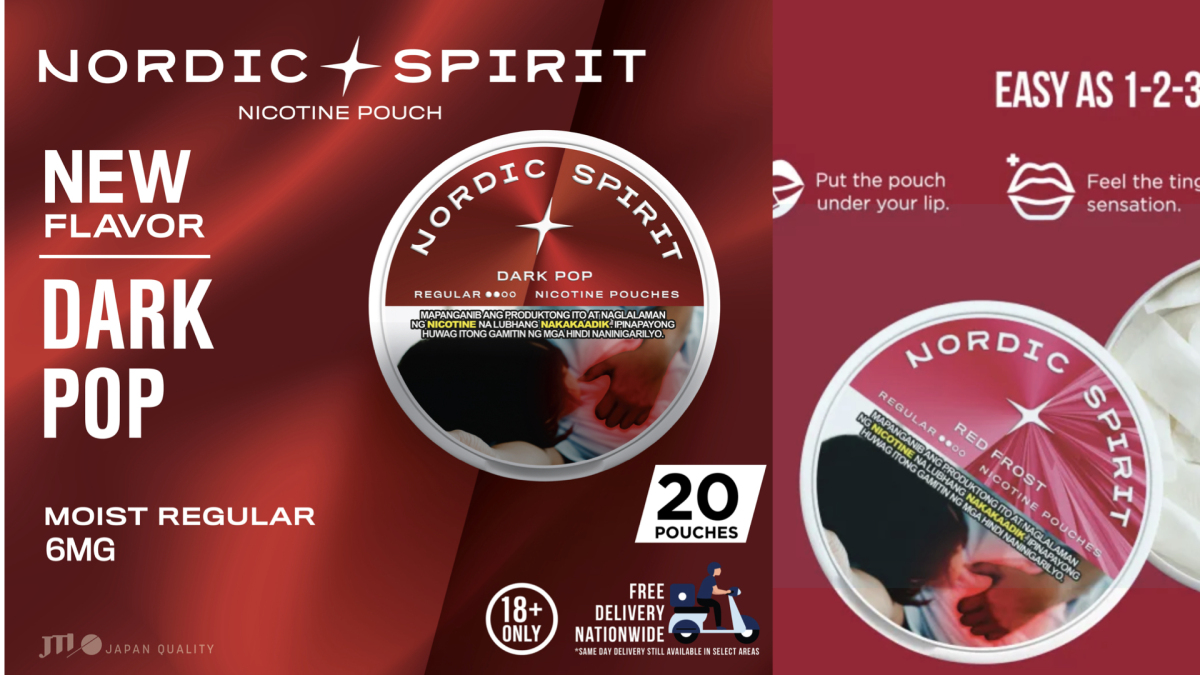
Product | JTI Philippines Expands Nordic Spirit Nicotine Pouch Portfolio With Dark Pop and Red Frost
JTI Philippines has expanded the Nordic Spirit nicotine pouch portfolio in the Philippines with two new variants, Dark Pop and Red Frost. Both products maintain the brand’s tobacco-free nicotine pouch positioning, with Dark Pop featuring a fizzy cola profile with citrus and sweet notes, while Red Frost combines cool mint with sweet red berry flavors. The two variants are now available through Philippine online retail channels.
Aug.18
Retail Case Study | Wisconsin Vape Market One Year After New Regulations: Johnny Vapes Reports 80% Sales Decline as Consumers Shift Online and Across State Lines
According to WNCY on August 24, 2026, some independent vape retailers in Wisconsin say they have faced significant business pressure one year after new vape regulations took effect. Johnny Vapes, a retailer operating in northeast Wisconsin, said its store count fell from seven locations to four, sales declined by about 80%, and roughly 90% of its inventory was affected. Retailers said some consumers have shifted to online purchases or traveled to neighboring Michigan to buy vape products. The case highlights how local regulations can reshape retail operations, inventory management and consumer purchasing patterns.
Aug.28
China’s Jiangsu Tobacco Monopoly Bureau and Drug Regulator Target Illegal Vape Sales Disguised as Medical Devices, Define Six Violations
China’s Jiangsu Tobacco Monopoly Bureau and Jiangsu Provincial Medical Products Administration have issued a joint notice targeting illegal production and sales of vape products disguised as medical devices. The notice identifies six categories of violations, including obtaining medical licenses through false materials, misusing medical device credentials, expanding production beyond approved scopes, and using medical device-related online platforms to promote or sell vape products. The action is based on China’s tobacco and medical device regulations and aims to strengthen vape oversight and consumer protection.
Aug.04