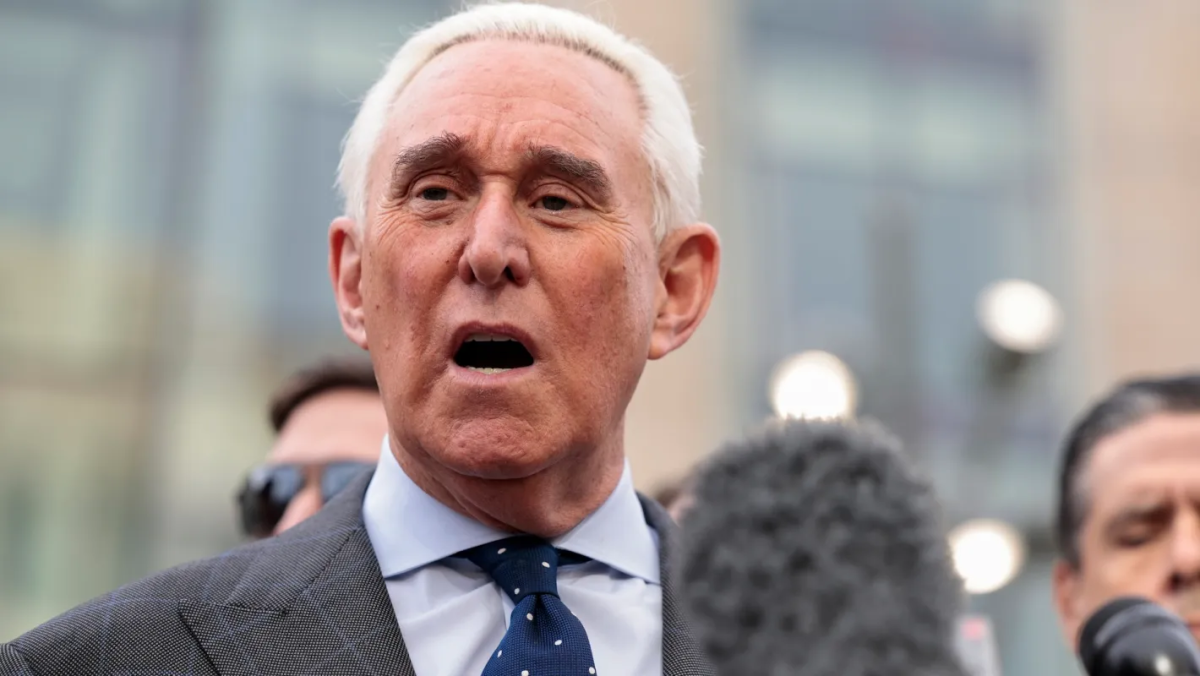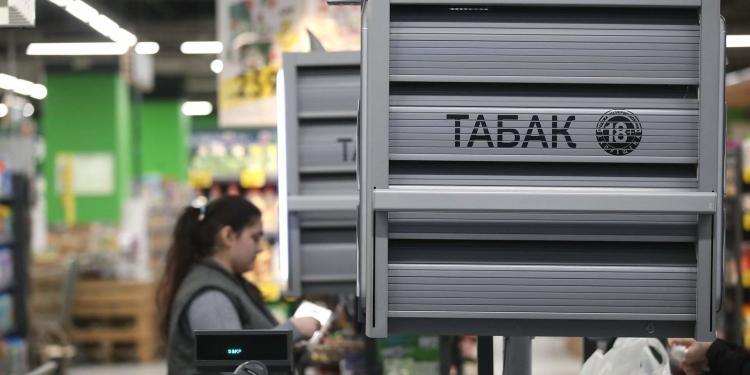
On April 25th, Ekaterina Priezzheva, Deputy Minister of Industry and Trade for the Russian Federation, announced at the international industrial exhibition, "Innoprom. Central Asia," that legal tobacco sales outlets in Russia increased by 5%, reaching a total of 246,000.
According to Ekaterina Priezzheva, "the market share of illegally circulated product categories included in the 'honest label' is decreasing annually, and we are also seeing significant financial impact. For example, compared to the first quarter of 2022, the number of legal retail shops for tobacco products increased by 5% to 246,000 in the first quarter of 2023. By the first quarter of 2023, the number of legal tobacco manufacturers increased by 16% compared to the same period in 2022.
Ekaterina Priezzheva stated that the "honest label" is currently an effective tool to combat illegal trafficking.
Regarding "Honest Labels
Russia introduced the "Honest Label" national digital tagging system in 2019 to combat the illegal circulation of goods. One of the first product groups to be included in this system was tobacco. By 2023, the share of illegal trafficking had decreased from 15.6% in 2019 to 12.2% in the fourth quarter of 2022.
The labeling system is not only applicable to tobacco products, but also to dairy products, mineral water and drinking water, beer and low-alcohol beverages, medications, shoes, light industrial products, leather jackets, perfumes, tires, and cameras.
Further reading:
【1】Market research by 2FIRSTS: White channels only, forced transformation - what has happened to the electronic cigarette market in Russia under strict regulation signals?【2】Exclusive interview with a Russian nicotine manufacturer: Compliance regulation trends are irreversible and a complete ban on electronic cigarettes is impossible.
Expert analysis of Russia's tobacco industry "mandatory license" with relevant legal text attached.
Russian "Honest Label" operating company responds to proposal to ban additives: e-cigarettes still subject to mandatory labeling restrictions.
Deadline for "Honest Labeling" Approaches, Russian Disposable E-Cigarette Market Busy Clearing Inventory.
Reference:
The number of legal tobacco retail points in Russia has increased by 5% over the past year.
Disclaimer
This article is provided solely for professional research, industry discussion, and informational purposes. Any references to brands, companies, products, technologies, or policies are made for factual reporting and analytical purposes only, and do not constitute endorsement, recommendation, promotion, or advertising by 2Firsts.
Nicotine-containing products, including but not limited to cigarettes, e-cigarettes, heated tobacco products, and nicotine pouches, carry significant health risks. Readers are responsible for complying with all applicable laws and regulations in their respective jurisdictions, including age restrictions and access limitations.
The information contained in this article should not be regarded as investment, legal, medical, regulatory, or commercial advice. While 2Firsts strives to ensure the accuracy and reliability of its content, it does not assume liability for any direct or indirect loss arising from errors, omissions, inaccuracies, or reliance on the information contained herein.
This article is not intended for individuals below the legal age for accessing tobacco or nicotine-related information in their jurisdiction.
Copyright Notice
This article is either original content produced by 2Firsts or content reproduced, translated, summarized, or adapted from third-party sources with attribution where applicable. The intellectual property rights of the original content remain with 2Firsts or the respective original rights holders.
No individual or organization may copy, reproduce, distribute, republish, modify, translate, or otherwise use this content without prior authorization. Any unauthorized use may result in legal action.
For copyright-related inquiries, corrections, or removal requests, please contact: info@2firsts.com.
AI-Assisted Translation and Editing Notice
Portions of this article may have been translated, edited, or reviewed with the assistance of artificial intelligence tools to improve efficiency and readability. Due to the limitations of AI-assisted translation and editing, discrepancies, omissions, or inaccuracies may exist when compared with the original source.
Where applicable, readers are advised to refer to the original source for the most complete and accurate information. If you identify any errors or believe that any content infringes upon your rights, please contact us at info@2firsts.com, and we will review and address the matter promptly.