Russia Proposes Stricter Regulations on E-Cigarettes

Apr.11.2023
Russia Proposes Stricter Regulations on E-Cigarettes
Russia plans to tighten e-cigarette sales regulations with bans on flavored additives, fancy packaging, and sales to minors.

On April 8th, 2FIRSTS learned from the "Moscow Komsomolets" newspaper that Russia will tighten regulations on the sale of electronic cigarettes. A draft policy to this effect has been submitted to the Russian State Duma and will be discussed for the first time during the National Duma Meeting on April 11th.


The draft includes:


Electronic cigarette manufacturers are now prohibited from adding flavorings to their products, and the minimum price of e-liquids has been increased. Fancy packaging for e-cigarette products is now banned. Rules for the sale of devices and components containing nicotine are now the same as for traditional cigarettes. Minors are completely prohibited from using electronic cigarettes, and bringing tobacco, nicotine, e-cigarette, or heated tobacco devices onto school grounds is now strictly prohibited.


2FIRSTS will continue to report on this issue. Stay tuned for updates.


References:


1. The complete ban on vapes in Russia has been postponed: details of restrictions have been revealed.


Disclaimer

This article is provided solely for professional research, industry discussion, and informational purposes. Any references to brands, companies, products, technologies, or policies are made for factual reporting and analytical purposes only, and do not constitute endorsement, recommendation, promotion, or advertising by 2Firsts.

Nicotine-containing products, including but not limited to cigarettes, e-cigarettes, heated tobacco products, and nicotine pouches, carry significant health risks. Readers are responsible for complying with all applicable laws and regulations in their respective jurisdictions, including age restrictions and access limitations.

The information contained in this article should not be regarded as investment, legal, medical, regulatory, or commercial advice. While 2Firsts strives to ensure the accuracy and reliability of its content, it does not assume liability for any direct or indirect loss arising from errors, omissions, inaccuracies, or reliance on the information contained herein.

This article is not intended for individuals below the legal age for accessing tobacco or nicotine-related information in their jurisdiction.


Copyright Notice

This article is either original content produced by 2Firsts or content reproduced, translated, summarized, or adapted from third-party sources with attribution where applicable. The intellectual property rights of the original content remain with 2Firsts or the respective original rights holders.

No individual or organization may copy, reproduce, distribute, republish, modify, translate, or otherwise use this content without prior authorization. Any unauthorized use may result in legal action.

For copyright-related inquiries, corrections, or removal requests, please contact: info@2firsts.com.


AI-Assisted Translation and Editing Notice

Portions of this article may have been translated, edited, or reviewed with the assistance of artificial intelligence tools to improve efficiency and readability. Due to the limitations of AI-assisted translation and editing, discrepancies, omissions, or inaccuracies may exist when compared with the original source.

Where applicable, readers are advised to refer to the original source for the most complete and accurate information. If you identify any errors or believe that any content infringes upon your rights, please contact us at info@2firsts.com, and we will review and address the matter promptly.


PMI Global R&D Chief Meets Chinese Tobacco Regulator as China Advances Heated Cigarette Standards
Philip Morris International’s global R&D chief Michele Cattoni met Liu Sanjiang, deputy director of China’s State Tobacco Monopoly Administration, in Beijing on Aug. 27. The meeting comes as China advances mandatory standards for heated cigarettes and nicotine pouches, laying groundwork for their domestic introduction. Cattoni has held senior roles in PMI’s heated tobacco development, while China’s draft standard covers multiple heating architectures, including systems similar in principle to PMI’s IQOS ILUMA technology.
Aug.27
JAMA Study: U.S. Vape Directories Fail to Sustainably Curb Unlisted Sales as Product Shifts May Redistribute Brand Share 2Firsts Recommended
A study by CDC Foundation researchers found no sustained decline in e-cigarette sales across Alabama, Oklahoma and Louisiana, the first three U.S. states to implement e-cigarette directory laws. Louisiana initially saw a significant sales decline, followed by a rebound and a persistent reduction in product availability. Sales also shifted from nontobacco-flavored disposables toward prefilled cartridges, with Vuse Alto driving much of the increase in menthol cartridges. By April 2025, unlisted products still accounted for more than half of e-cigarette nicotine sales in all three states.
Sep.18
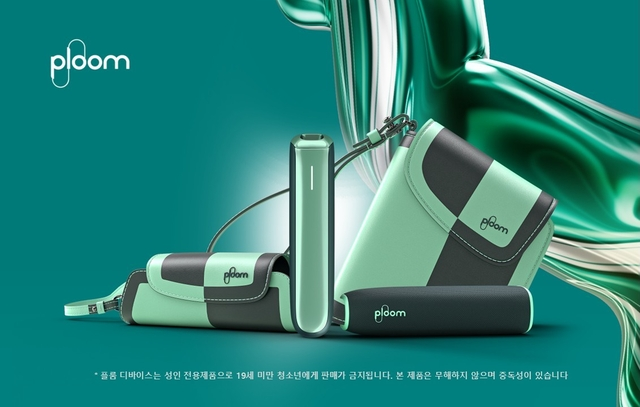
Product | JTI Launches Ploom AURA Teal Electric Pop in South Korea, Its First Dual-Color Edition
JTI Korea launched the Ploom AURA Teal Electric Pop limited edition in South Korea on September 1, 2026, marking the first dual-color design in the Ploom AURA range. The device combines a dark green body with teal accents and is accompanied by matching Front Panel, Back Cover and Pocket Bag accessories. The standalone device is priced at KRW 29,000, with three additional device-and-accessory bundles available. The release continues JTI Korea's use of limited colorways and interchangeable accessories to expand the Ploom AURA portfolio without introducing a new hardware platform.
Sep.03
Malaysia Liquid Nicotine Returns to Poisons List, Leaving Vape Retail and RM354 Million Tax Collection in Legal Uncertainty
Malaysia’s withdrawal of its appeal in a landmark liquid-nicotine case has left a High Court ruling that struck down the 2023 nicotine exemption in force, bringing liquid and gel nicotine used in vaping products back under the Poisons Act 1952. At the same time, the Control of Smoking Products for Public Health Act 2024 continues to provide a regulatory framework for vaping products, creating uncertainty over retail sales, taxation and existing inventory. MPs are calling for nicotine vape sales and excise collection to stop, including refunds of more than RM354 million collected since 2023, while industry and consumer groups are asking the government to clarify the current legal position.
Sep.04
Product | JT to Launch MEVIUS Tropical Option in Japan, Expanding Ploom Tobacco Stick Lineup to 32
Japan Tobacco (JT) will launch MEVIUS Tropical Option, a new tobacco stick for Ploom, nationwide in Japan from October 6, 2026. The capsule-format product combines mango-oriented sweetness with menthol cooling, adding a tropical flavor to the MEVIUS Ploom tobacco-stick lineup for the first time. Each pack contains 20 sticks and will launch at JPY 590. The product is compatible with all Ploom devices, and its addition will expand the Ploom tobacco-stick portfolio to 32 variants.
Sep.08
Australia Adds 6-Methylnicotine to Schedule 9 Prohibited Substances, Effective October 1
Australia's Therapeutic Goods Administration published a final decision on September 25 to classify 6-methylnicotine as a Schedule 9 prohibited substance under the Poisons Standard, effective October 1, 2026. TGA said the chemical has been reported in e-cigarette liquids sold in Australia and marketed as nicotine-free or nicotine alternatives, while evidence also indicates its use in preparations such as oral pouches. The government originally proposed a Schedule 7 classification but ultimately adopted the stricter Schedule 9 designation, citing acute toxicity, dependence risk, use in unapproved consumer products and misleading marketing.
News
Sep.29 by 2Firsts Perspectives