Russia's Astrakhan Proposes Ban on Nicotine-Containing E-cigarettes

Regulations by 2FIRSTS.ai
Jan.05.2024
Russia's Astrakhan Proposes Ban on Nicotine-Containing E-cigarettes
Russia's Astrakhan regional council proposes a complete ban on nicotine e-liquids and related devices, with support from the federal health ministry.

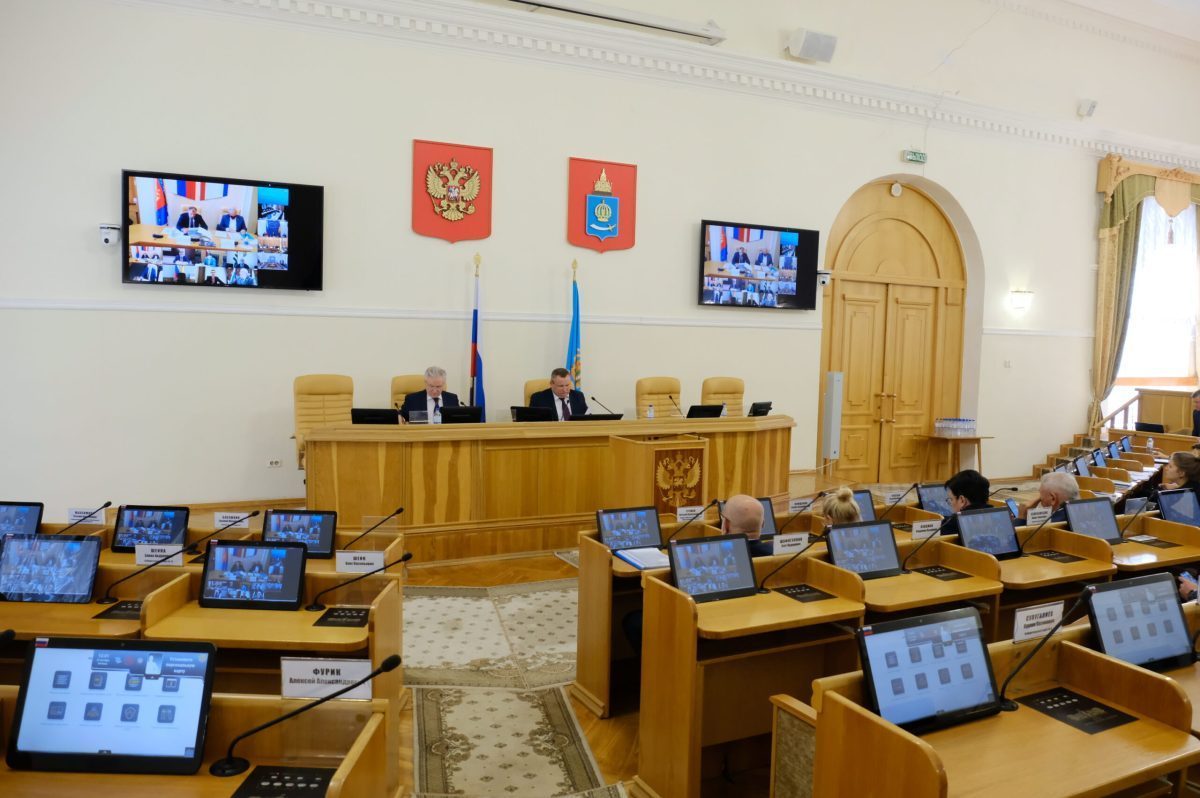
According to the Russian media outlet Astrakhan's report on January 4th, the regional council of Astrakhan, Russia, has proposed a complete ban on nicotine-containing cigarettes, nicotine e-liquids, and related smoking devices. The latest update reveals that the proposal has garnered support from the Russian Federal Ministry of Health.


The Russian Ministry of Health emphasized that the use of e-cigarettes will increase the risk of cardiovascular diseases, chronic lung diseases, and cancer. The likelihood of developing asthma will increase by 30%, while the risk of chronic obstructive pulmonary disease will increase by 75%.


In the Astrakhan region, all levels of government are actively combating harmful habits for young people. As early as the beginning of 2020, the local council passed a regional law prohibiting the sale of nicotine products to minors. In July of the same year, a nationwide law came into effect banning the sale of tobacco, nicotine products, hookah, and the use of tobacco or nicotine products by minors.


The chairman of the local council, Igor Martynov, has highlighted that despite measures being taken, the use of smoking alternatives such as e-cigarettes is still on the rise. As a result, local representatives have proposed a complete ban on e-cigarettes and vaping devices, aiming to safeguard children from the detrimental effects of harmful dependencies to the greatest extent possible.


Five years ago, the Russian government approved a policy framework aimed at combating the use of vaping and other nicotine-containing products by 2035. Last year, the government implemented a combination of measures to strengthen control over the production and distribution of nicotine e-liquid, which is used in nicotine consumption devices. According to the document, current laws require some amendments.


The sale of nicotine products aimed at minors has been prohibited in Russia. According to a statement from the Russian Ministry of Health, responding to the Astrakhan regional council, they expressed that "in the 'bundle of measures,' the sale of nicotine e-liquids and related devices should also be prohibited.


We welcome news tips, article submissions, interview requests, or comments on this piece.

Please contact us at info@2firsts.com, or reach out to Alan Zhao, CEO of 2Firsts, on LinkedIn


Notice

1.  This article is intended solely for professional research purposes related to industry, technology, and policy. Any references to brands or products are made purely for objective description and do not constitute any form of endorsement, recommendation, or promotion by 2Firsts.

2.  The use of nicotine-containing products — including, but not limited to, cigarettes, e-cigarettes, nicotine pouchand heated tobacco products — carries significant health risks. Users are responsible for complying with all applicable laws and regulations in their respective jurisdictions.

3.  This article is not intended to serve as the basis for any investment decisions or financial advice. 2Firsts assumes no direct or indirect liability for any inaccuracies or errors in the content.

4.  Access to this article is strictly prohibited for individuals below the legal age in their jurisdiction.


Copyright


This article is either an original work created by 2Firsts or a reproduction from third-party sources with proper attribution. All copyrights and usage rights belong to 2Firsts or the original content provider. Unauthorized reproduction, distribution, or any other form of unauthorized use by any individual or organization is strictly prohibited. Violators will be held legally accountable.

For copyright-related inquiries, please contact: info@2firsts.com


AI Assistance Disclaimer


This article may have been enhanced using AI tools to improve translation and editorial efficiency. However, due to technical limitations, inaccuracies may occur. Readers are encouraged to refer to the cited sources for the most accurate information.

We welcome any corrections or feedback. Please contact us at: info@2firsts.com

Bonnie Herzog:U.S. nicotine market seen at about $67B in revenue by 2035 as smoke-free expands
Goldman Sachs Managing Director Bonnie Herzog said the U.S. nicotine market is attractive and growing, with total revenue projected to reach about $67 billion by 2035. She expects cigarettes to account for a smaller share of revenue (47%) as smoke-free revenue expands and becomes a key driver of industry profit growth. Herzog said smoke-free products represent about 48% of U.S. nicotine volumes today and could rise to roughly 75% by 2035.
Mar.04 by 2FIRSTS.ai
Russia’s Volgograd Police Seize Illicit Nicotine Products Worth Over US$42.9K+
Police in Russia’s Volgograd region say they seized nicotine products lacking mandatory markings valued at more than RUB 3.3 million (about US$42,900+, using RUB 1 = US$0.013). A 43-year-old suspect allegedly stored and sold the products through two retail outlets in Volgograd’s Central and Dzerzhinsky districts. A criminal case has been opened under Article 171.1(6) of the Russian Criminal Code.
Jan.30 by 2FIRSTS.ai
Rethinking Nicotine Harm Reduction: A Neuroscientist’s Perspective on Scientific Gaps and Future Directions — By Dr. Xin-an Liu
After France’s ANSES report on nicotine products and harm reduction, Dr. Xin-an Liu wrote to 2Firsts reassessing the field’s foundations. She argues the debate reveals gaps in evidence on long-term behavioral substitution, addiction pathways and neurobiological impacts, and calls for longitudinal research, integrated behavioral science and neuroimaging, clearer risk assessment and stronger transparency to ensure policy and next-generation product development rest on solid evidence.
Industry Insight
Feb.24
Malaysia maritime officers seize nearly 16,500 vapes in suspected cross-border smuggling bid
According to Malay Mail and Bernama, Malaysia’s maritime enforcement agency intercepted a suspicious lorry at a jetty in Kedah’s Kuala Sanglang and seized nearly 16,500 vape devices worth more than RM500,000 (about US$125,000). Three men were detained for investigation, and the case is being probed under Malaysia’s Customs Act 1967.
Mar.09 by 2FIRSTS.ai
Thai Health Authorities: Nicotine Pouches Classified as Tobacco; Sales Must Comply with 2017 Act
Thailand’s Disease Control Department has warned that nicotine pouches (“Snus”) are classified as tobacco products and must comply with the Tobacco Products Control Act B.E. 2560 (2017). Officials said they have received complaints about sales and promotional activities, and stressed that these products must not be displayed or promoted at points of sale.
Feb.02 by 2FIRSTS.ai
FDA Commissioner Stresses “Predictability” as Science Chief Addresses Industry Uncertainty
FDA Commissioner Marty Makary briefly appeared at the February 10 PMTA roundtable, underscoring the importance of regulatory predictability. At the close of the session, Office of Science Director Matthew Farrelly responded to industry concerns over review uncertainty, stating the agency will issue a written summary of feedback, while reiterating that no fixed quantitative risk benchmark governs authorization decisions.
Feb.11