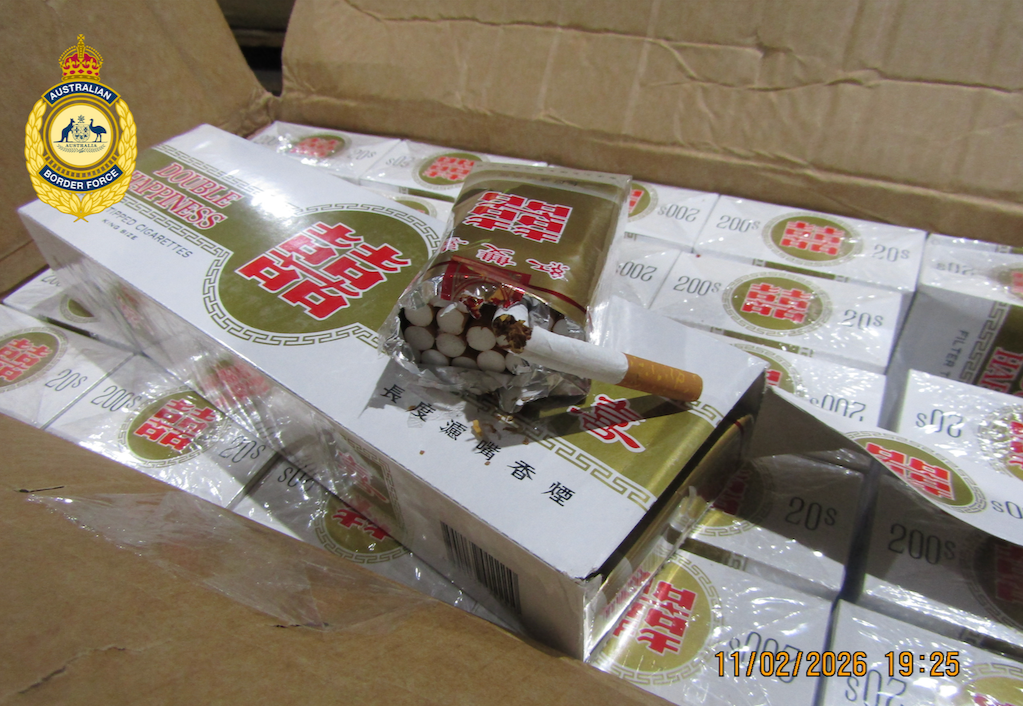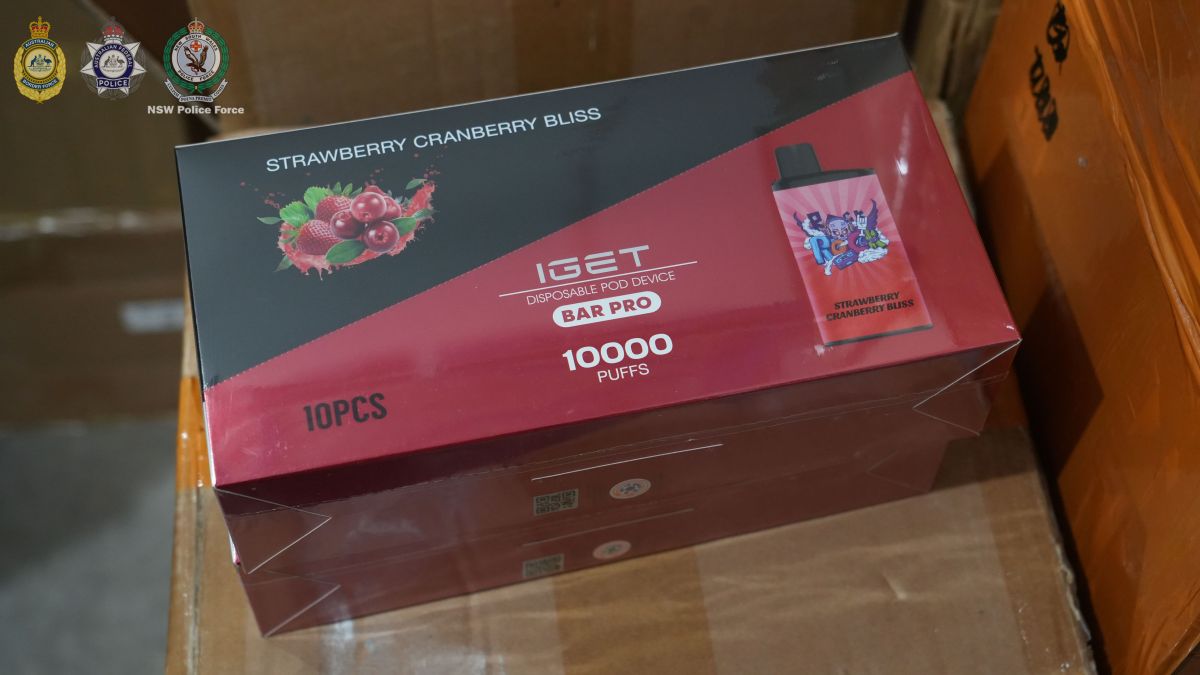
The proportion of illegal tobacco products in Russia is on the rise, resulting in the country losing billions of dollars in tax revenue. On July 19, Kommersant-Bashkortostan held an expert discussion where representatives from government and businesses discussed the country's illegal tobacco sales situation and possible measures to combat it.
Tax revenue loss
In Bashkortostan, 1.6 million packets of illegal tobacco products were sold during the first quarter of 2022, as announced by Nail Yakhin, head of the Department for Product Legalization, Product Labeling, and Anti-Terrorism Protection of Trade Facilities. He stated that the region is among the top 11 areas for illegal tobacco sales.
As pointed out by Anastasia Belenkova, the regional manager of affairs at Russia's FIMO International LLC, illegal imports of cigarettes from member countries of the customs union have the biggest share in the illegal product market. "This factor has a weight of 6.7% and dominates this segment of the market. Its share represents 93% of all illegal products originating from member countries of the Eurasian Economic Union.
Mrs. Belenkova cited data from the National Scientific Center for Combating Illicit Trafficking in Industrial Products (NSC) and added that the average proportion of illegal tobacco products in Russia in the third quarter of 2021 was 11.5%. She stated that, according to a study conducted by analytics firm KPMG, the average quantity of illegal tobacco products in 2021 was 12.2%.
The total amount of tax losses in 2021 was 149.8 billion rubles, which is 34 billion rubles higher than the previous year. According to Anastasia Belenkova, these figures were received based on research conducted by KMG for the Rusbrand Association of Manufacturers.
Roman Troshkin, the Public Cooperation Manager of JTI Russia, stated that the illicit tobacco market not only damages the federal budget but also affects regional budgets. Troshkin added that in such cases, individuals may avoid paying their personal profits and income taxes.
Mr. Yakhin added that Bashkortostan's budget suffered a loss of 126 million rubles.
Mr. Troshkin pointed out that unfair competition is leading to legal manufacturers' products being pushed out of the market. He added that their profits are decreasing, which is also resulting in regional budget revenue losses, particularly in cases of legal production.
According to Anastasia Belyankova, there have been illegal trafficking issues in the nicotine products market, which includes products containing nicotine but not tobacco products. Belyankova stated that this problem is not only relevant to their market but also to the entire Eurasian Economic Union (EAEU). Specifically, they have observed the circulation of Russian heated tobacco products for their own products, which they plan to sell in Kazakhstan and Armenia. According to their data, the proportion of illegal pods for their brand was approximately 3% in December 2021.
Expensive cigarettes.
Experts have identified two reasons for the existence of the illegal tobacco market. The first is the loss of consumption tax revenue on the product itself. Andrey Loskutov, Chairman of Russia's largest industry association, the Nicotine Alliance, stated that the initial price of a cigarette was 10 rubles, but now the minimum price is 112 rubles, with an average of 150 rubles. "Two-thirds of the cost of a pack of cigarettes is comprised of consumption tax.
Mr. Loskutov added that the second reason for the popularity of the black market is due to the decrease in Russian incomes. "A pack of illegal cigarettes is still cheaper. We all want to be honest taxpayers and responsible citizens. However, it is difficult to resist temptation when cigarette prices rise and one's income declines. Some smokers are forced to choose the black market.
The use of illegal cigarettes is harmful to health as they do not go through the declaration system when imported into the country. Alina Abdulina, the chief expert of the food hygiene department at Rospotrebnadzor in Bashkortostan, has warned about this. She stated that tobacco products must be declared and confirmed for quality and safety through laboratory testing reports.
According to Baizat Khamzatov, the deputy director of the National Scientific Center for Industrial Productivity "Combat" and member of Russia's State Duma expert committee, research conducted by NCSC shows that the proportion of illegal products tends to increase as they leave large urban centers and reach rural areas. In cities, the proportion is 9%, while in villages it is 14%. The worst affected regions include Novgorod, Pskov and Dagestan.
Alina Abdulina warned that until last year, Rospotrebnadzor in Bashkortostan imposed fines totaling 2.7 million rubles and confiscated 78,000 packs of cigarettes worth 4 million rubles. She added that the Ministry of Internal Affairs filed charges under Article 171 for "illegal entrepreneurship.
Countermeasures
Anastasiya Belenkova stated that she has identified the prerequisites for the growth of illegal markets, but they are not the direct cause. She emphasized the necessity to address the issue of illegal markets, particularly by improving the federal legal regulatory system. Belenkova expressed hope that legislation can be more flexible in response to modern challenges, which will reduce the losses of the legal tobacco market and minimize associated revenue losses.
Igor Cherkassky, the Minister of the BAT Russia Group's Anti-Illegal Trade Department, acknowledged the country's efforts in combating illegal trade. He praised the efforts of the neutral National Supervision Commission and the closure of illegal businesses, but noted that the 20% increase in consumption tax has not made the situation easier.
Roman Troshkin is convinced that further efforts are necessary to both curb domestic production and import of tobacco products, and to suppress the sale of illegal tobacco products. Regulators need to strengthen their activities in this area throughout each region, and utilize existing legislative documents, including new ones passed in the past two years.
Baysolt Khamzatov believes that this work is crucial because organizers of illegal trafficking intentionally break the law and use the money from selling these products to fund more serious crimes.
According to Nail Yakhin, Russians themselves can assist in reducing tobacco smuggling through the use of an "honesty label" mobile application.
Statement
This article is compiled from third-party information and is intended solely for industry exchanges and learning purposes.
This article does not represent the views of 2FIRSTS, and 2FIRSTS cannot verify the authenticity and accuracy of its contents. The translation of this article is solely for industry communication and research purposes.
Due to limitations in the compiling ability, the translated article may not accurately reflect the original text. Please refer to the original text for accuracy.
2FIRSTS maintains full alignment with the Chinese government on any domestic, Hong Kong, Macau, Taiwan, and foreign-related statements and positions.
The copyright of compiled information belongs to the original media and author, and if there is any infringement, please contact us for removal.
Disclaimer
This article is provided solely for professional research, industry discussion, and informational purposes. Any references to brands, companies, products, technologies, or policies are made for factual reporting and analytical purposes only, and do not constitute endorsement, recommendation, promotion, or advertising by 2Firsts.
Nicotine-containing products, including but not limited to cigarettes, e-cigarettes, heated tobacco products, and nicotine pouches, carry significant health risks. Readers are responsible for complying with all applicable laws and regulations in their respective jurisdictions, including age restrictions and access limitations.
The information contained in this article should not be regarded as investment, legal, medical, regulatory, or commercial advice. While 2Firsts strives to ensure the accuracy and reliability of its content, it does not assume liability for any direct or indirect loss arising from errors, omissions, inaccuracies, or reliance on the information contained herein.
This article is not intended for individuals below the legal age for accessing tobacco or nicotine-related information in their jurisdiction.
Copyright Notice
This article is either original content produced by 2Firsts or content reproduced, translated, summarized, or adapted from third-party sources with attribution where applicable. The intellectual property rights of the original content remain with 2Firsts or the respective original rights holders.
No individual or organization may copy, reproduce, distribute, republish, modify, translate, or otherwise use this content without prior authorization. Any unauthorized use may result in legal action.
For copyright-related inquiries, corrections, or removal requests, please contact: info@2firsts.com.
AI-Assisted Translation and Editing Notice
Portions of this article may have been translated, edited, or reviewed with the assistance of artificial intelligence tools to improve efficiency and readability. Due to the limitations of AI-assisted translation and editing, discrepancies, omissions, or inaccuracies may exist when compared with the original source.
Where applicable, readers are advised to refer to the original source for the most complete and accurate information. If you identify any errors or believe that any content infringes upon your rights, please contact us at info@2firsts.com, and we will review and address the matter promptly.