Shenzhen Police Uncover Counterfeit ALIBARBAR Vape Case Worth Tens of Millions

Nov.18.2024
Shenzhen Police Uncover Counterfeit ALIBARBAR Vape Case Worth Tens of Millions
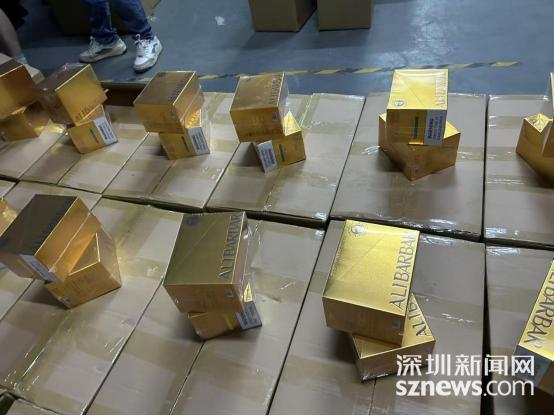
Shenzhen police, in collaboration with the State Tobacco Monopoly Administration, successfully cracked a major case involving counterfeit ALIBARBAR vapes.

Statement:

On November 22, 2Firsts received a letter from Shenzhen Xiyue Intelligent Technology Manufacturing Co., Ltd. The letter stated that the products shown in the original and counterfeit comparison images in the article "ALIBARBAR Counterfeit Case," first published on sznews were not produced by the company. However, the vape production license number displayed in the images belongs to the company and is suspected of being misappropriated.


Since sznews has removed the images, 2Firsts has also deleted them. This statement is issued for clarification.


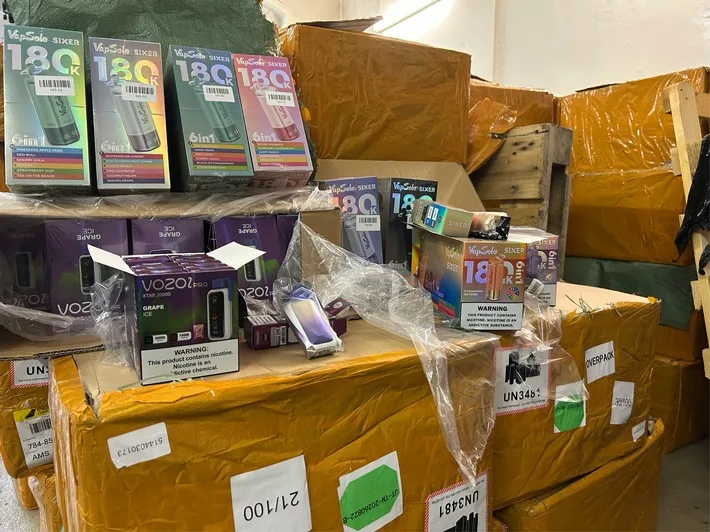
Shenzhen police and the State Tobacco Monopoly Administration seized tens of thousands of counterfeit ALIBARBAR vapes worth millions, cracking a major case and targeting illegal counterfeit sales, sznews reported on November 15.
 

Shenzhen Police Uncover Counterfeit ALIBARBAR Vape Case Worth Tens of Millions
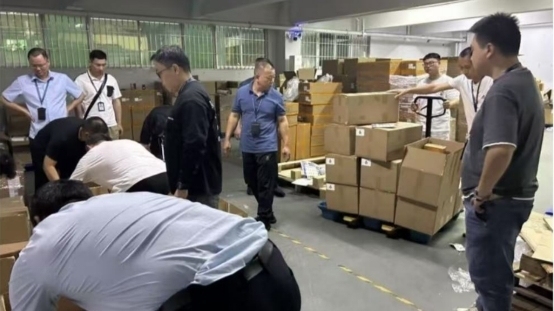
Crime scene | Image source: sznews


Law enforcement in Shenzhen conducted simultaneous raids across multiple locations in one district, shutting down three counterfeit vape production and sales operations. The raids resulted in the seizure of tens of thousands of fake ALIBARBAR vapes, along with manufacturing equipment, raw materials, and packaging materials.
 

Shenzhen Police Uncover Counterfeit ALIBARBAR Vape Case Worth Tens of Millions
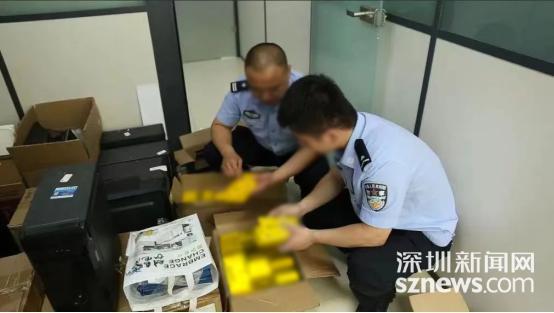
Scene of the crime | Image source: sznews


During interrogation, the suspects confessed to the crimes of producing and selling counterfeit vapes. They admitted to manufacturing large quantities of fake vapes for high profits and distributing them to overseas markets. The case is currently under further investigation.
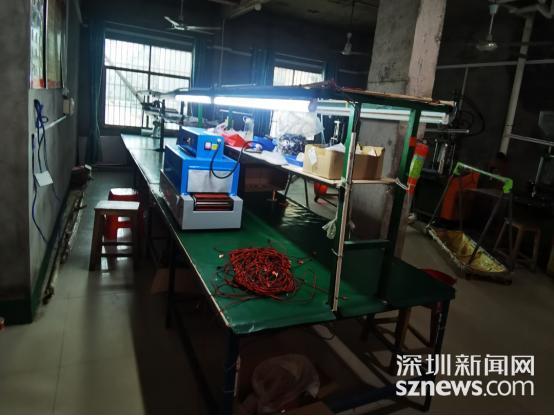
 

Shenzhen Police Uncover Counterfeit ALIBARBAR Vape Case Worth Tens of Millions
Crime scene | Image source: sznews


Shenzhen police announced their commitment to cracking down on counterfeit production and sales, working closely with the State Tobacco Monopoly Administration and other authorities to protect consumer rights. 


They also advised consumers to buy vape products only from official channels, warning that using counterfeit products could lead to serious health risks.


Philippine DTI Says Flavored Vape Products With Minor-Appealing Descriptors Are “100 Percent Smuggled”
A Philippine Department of Trade and Industry official told a Senate hearing on vaping regulations that flavored vape products marketed with descriptors attractive to minors are “100 percent smuggled” and did not pass the agency’s licensing process.
Mar.16 by 2FIRSTS.ai
China Tobacco International (HK) Announces FY2025 Results: Revenue Reaches HK$14.58 Billion, Up 11.5% Year-on-Year
China Tobacco International (HK) Company Limited announced its audited results for the year ended December 31, 2025. Revenue was HK$14.58 billion, profit before taxation was HK$1.28 billion, and profit attributable to owners of the Company was HK$0.98 billion, with basic and diluted EPS of HK$1.42. The Board proposed a final dividend of HK$0.33 per share; together with an interim dividend of HK$0.19 per share, the full-year dividend totaled HK$0.52 per share.
Mar.06 by 2FIRSTS.ai
FDA Highlights Product Characterization as a Foundational Requirement in ENDS PMTA Reviews
During its ongoing PMTA roundtable, FDA emphasized that product characterization is a foundational element in the review of electronic nicotine delivery systems (ENDS). The agency underscored the need for complete product identifying information, validation and verification of test methods on the specific product type, and the appropriate use of tobacco product master files (TPMFs) to support complex or proprietary ingredients in PMTA submissions.
Feb.10
Nebraska weighs child-safety lock requirement for vapes sold in the state
Nebraska lawmakers heard testimony on LB1254, which would require electronic smoking devices sold in the state to include built-in child safety features. Violations would be a Class IV misdemeanor carrying a fine of up to $500. Supporters argued young children can easily activate unprotected devices by inhaling, risking exposure to nicotine and other toxic chemicals, and said safeguards should mirror child-resistant measures used for medications and other household products.
Feb.28 by 2FIRSTS.ai
Patent Reveals China Tobacco Hubei Industrial Testing Animal Model for Heated Tobacco Safety Evaluation
China Tobacco Hubei Industrial Co., Ltd. has published a patent describing a laboratory method to evaluate the reproductive and developmental safety of heated tobacco products using non-human animal exposure models. The approach introduces a structured toxicological testing framework that could support safety verification, quality control, and regulatory evidence generation for heated tobacco products.
Mar.09
Special Report|Reynolds’ 337 Patent Case Ends, but a Harsher 337 Compliance Battle Now Targets the Entire Vape Supply Chain
The U.S. International Trade Commission (ITC) has terminated Investigation 337-TA-1410 after invalidating key vape patent claims asserted by R.J. Reynolds Vapor Company, removing the immediate risk of import bans for dozens of companies. However, a new case—337-TA-1486—has already opened a more consequential legal front, shifting the focus from patent disputes to regulatory compliance across the vape supply chain, including PACT Act reporting, tax compliance, and FDA marketing authorization.
BAT
Mar.11