On April 14th, semiconductor company SMIC released their first-quarter financial results. Their revenue for the first three months of 2023 amounted to 2.527 billion yuan, representing a year-on-year increase of 11.9%. Their pre-tax profit was 319 million yuan, while the adjusted net profit stood at 305.6 million yuan. This marks a 44.8% decrease compared to the same period last year.
According to a statement from Simal, the main reasons for their decrease in profits are as follows:
Revenue from the Mainland China market has decreased. In the first quarter of 2023, revenue from Mainland China was approximately 15.5 million yuan, a decrease of approximately 97.7% compared to the same period last year.
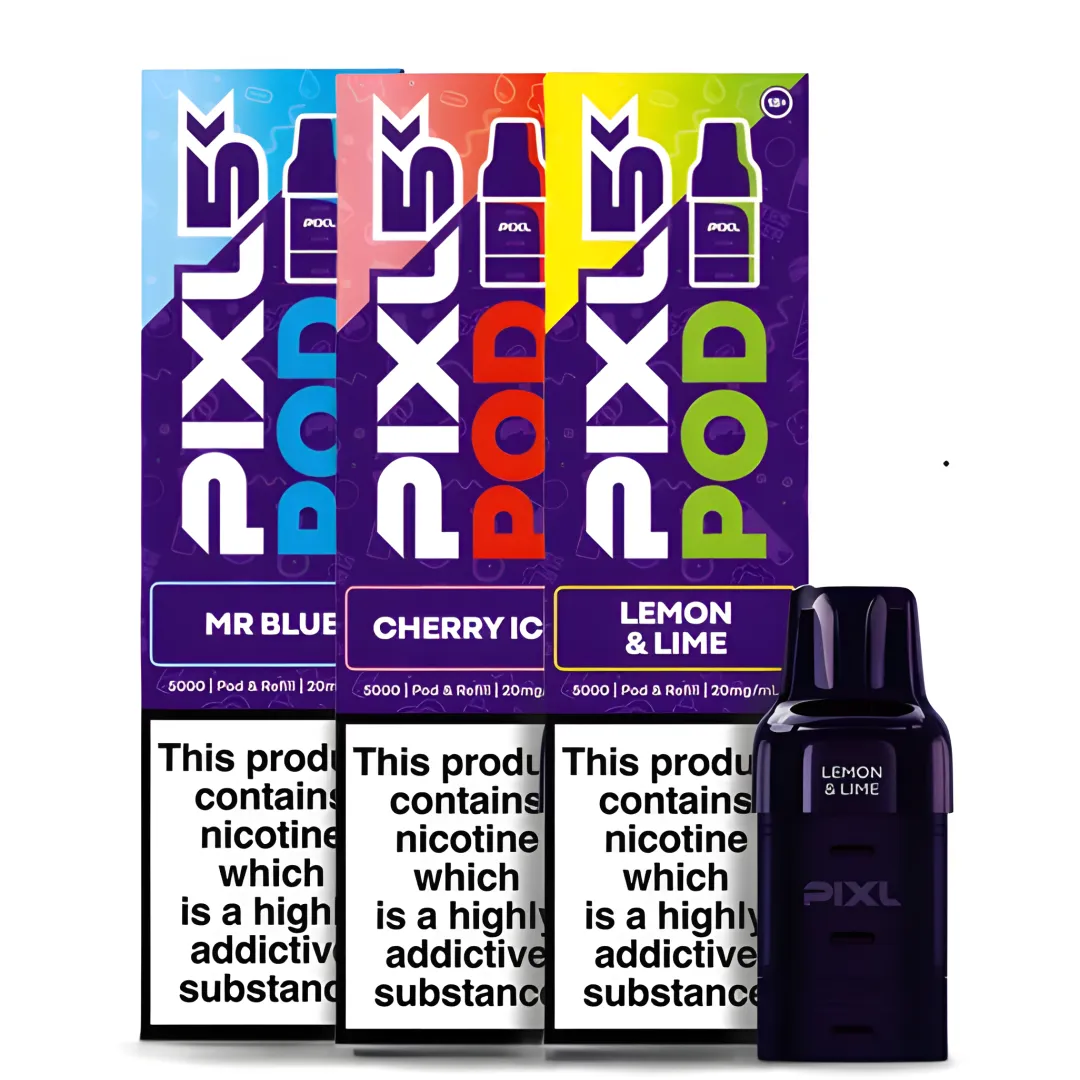
In Q1 2023, revenue from overseas markets amounted to about RMB 2.512 billion, a YoY increase of approximately 58.2%. This was mainly due to the growth of low-margin disposable products and the introduction of "replacement-style" products in overseas markets. However, the increase in profits from overseas markets was not yet enough to offset the decline in profits from the mainland Chinese market.
Overall, there was an increase of approximately RMB 172 million from the previous year in sales expenses, management expenses, research and development expenses, other income and expenses, as well as other gains and losses.
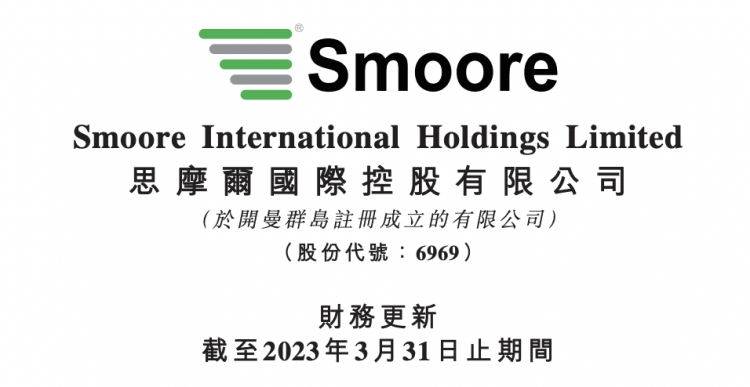
Simo International Financial Information for Q1 | Image Source: Simo International Announcement
As of the time of writing on April 17th, the stock price of Semiconductors International has reached a high of HK$10.26, representing an increase of over 8% at one point.
Further reading:
Smaller Inc. Annual Report Analysis: Sales Decline in US Market, Over 50% Increase in European Market, One-Time Growth Over 19 Times.
Simo 2022 fiscal year revenue reaches 12.1 billion, with stock prices surging over 7% at market open.
Shimolle International Launches New Technology - 6000 Puff Electronic Cigarettes Do Not Require Charging.
The latest development in the Simoer patent case in the US: Preliminary ruling finds 38 North American companies not guilty of infringement.
Simo International expects a net profit of 2.3 to 2.8 billion yuan in 2022, a year-on-year decrease of 46.8% to 56.2%.
Reference:
Simmor International: Financial Update for the period ending March 31, 2023.
Disclaimer
This article is provided solely for professional research, industry discussion, and informational purposes. Any references to brands, companies, products, technologies, or policies are made for factual reporting and analytical purposes only, and do not constitute endorsement, recommendation, promotion, or advertising by 2Firsts.
Nicotine-containing products, including but not limited to cigarettes, e-cigarettes, heated tobacco products, and nicotine pouches, carry significant health risks. Readers are responsible for complying with all applicable laws and regulations in their respective jurisdictions, including age restrictions and access limitations.
The information contained in this article should not be regarded as investment, legal, medical, regulatory, or commercial advice. While 2Firsts strives to ensure the accuracy and reliability of its content, it does not assume liability for any direct or indirect loss arising from errors, omissions, inaccuracies, or reliance on the information contained herein.
This article is not intended for individuals below the legal age for accessing tobacco or nicotine-related information in their jurisdiction.
Copyright Notice
This article is either original content produced by 2Firsts or content reproduced, translated, summarized, or adapted from third-party sources with attribution where applicable. The intellectual property rights of the original content remain with 2Firsts or the respective original rights holders.
No individual or organization may copy, reproduce, distribute, republish, modify, translate, or otherwise use this content without prior authorization. Any unauthorized use may result in legal action.
For copyright-related inquiries, corrections, or removal requests, please contact: info@2firsts.com.
AI-Assisted Translation and Editing Notice
Portions of this article may have been translated, edited, or reviewed with the assistance of artificial intelligence tools to improve efficiency and readability. Due to the limitations of AI-assisted translation and editing, discrepancies, omissions, or inaccuracies may exist when compared with the original source.
Where applicable, readers are advised to refer to the original source for the most complete and accurate information. If you identify any errors or believe that any content infringes upon your rights, please contact us at info@2firsts.com, and we will review and address the matter promptly.