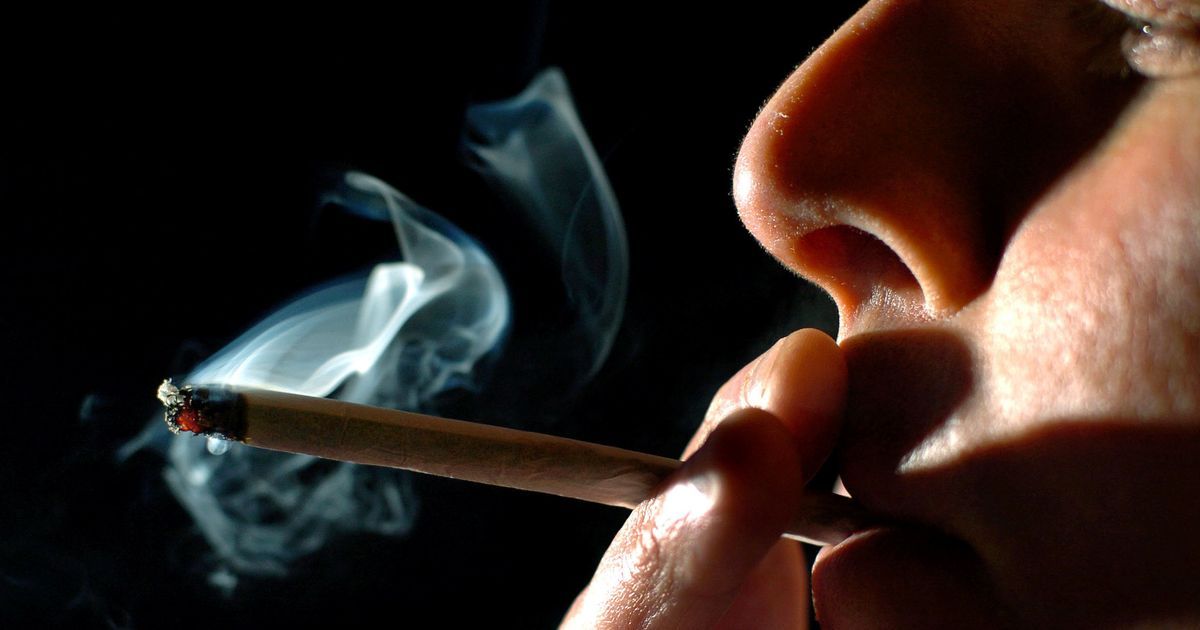
According to a report from the British media outlet Grimsby Telegraph on November 15th, the latest statistical data from the UK government reveals that the smoking rate in Northeast Lincolnshire is 19%, ranking second highest in the Humber region. Conversely, North Lincolnshire has a smoking rate of 13.8%.
UK Prime Minister Rishi Sunak has unveiled plans to implement a phased ban on smoking in order to protect children's health, with over 12,000 responses received during a government consultation. The proposed measures aim to restrict the use of e-cigarettes and prohibit the sale of tobacco products to children aged 14 and under. Sunak emphasized the significant importance of this ban in terms of future health outcomes and cost savings for the national healthcare system.
The city of Hull is leading the way in terms of smoking rates, with the local government allocating a significant amount of funding towards smoking cessation efforts. Currently, the government has provided a total of £70 million (approximately $86.77 million) in funding to the local council, aiming to assist their efforts in addressing the smoking issue. This amount is more than double the current funding.
Furthermore, Sunak emphasized the significant importance of this ban in terms of cost-saving for future healthcare and the national medical service system. Chief Medical Officer, Chris Whitty, underscored the health risks of smoking and the potential impact of the ban.
We welcome news tips, article submissions, interview requests, or comments on this piece.
Please contact us at info@2firsts.com, or reach out to Alan Zhao, CEO of 2Firsts, on LinkedIn
Notice
1. This article is intended solely for professional research purposes related to industry, technology, and policy. Any references to brands or products are made purely for objective description and do not constitute any form of endorsement, recommendation, or promotion by 2Firsts.
2. The use of nicotine-containing products — including, but not limited to, cigarettes, e-cigarettes, nicotine pouchand heated tobacco products — carries significant health risks. Users are responsible for complying with all applicable laws and regulations in their respective jurisdictions.
3. This article is not intended to serve as the basis for any investment decisions or financial advice. 2Firsts assumes no direct or indirect liability for any inaccuracies or errors in the content.
4. Access to this article is strictly prohibited for individuals below the legal age in their jurisdiction.
Copyright
This article is either an original work created by 2Firsts or a reproduction from third-party sources with proper attribution. All copyrights and usage rights belong to 2Firsts or the original content provider. Unauthorized reproduction, distribution, or any other form of unauthorized use by any individual or organization is strictly prohibited. Violators will be held legally accountable.
For copyright-related inquiries, please contact: info@2firsts.com
AI Assistance Disclaimer
This article may have been enhanced using AI tools to improve translation and editorial efficiency. However, due to technical limitations, inaccuracies may occur. Readers are encouraged to refer to the cited sources for the most accurate information.
We welcome any corrections or feedback. Please contact us at: info@2firsts.com