A study titled "Pharmacological and e-cigarette intervention for smoking cessation: systematic review, network meta-analysis, and cost-effectiveness analysis" was conducted by researchers at the University of Bristol in the UK. They searched a publication database up to March 2017 and updated their search in February 2019 with randomized clinical trials of smoking cessation interventions lasting for over six months.
The research team ultimately conducted a total of 363 experiments involving 201,045 participants. Additionally, they conducted 53 observational studies, which involved 8,783,5403 participants for safety review purposes.
After analyzing the results, the research team has concluded that the most effective treatment methods are substituting with Varencicline Standard plus Nicotine (odds ratio [OR], 3.22; 95% credible interval [CrI], 2.27-14.88), substituting with Varenicline Low plus Nicotine (OR, 5.70; 95% CrI, 1.57-21.12), and using low electronic cigarettes (OR, 3.22; 95% CrI, 0.97-12.55).
A controversial drug.
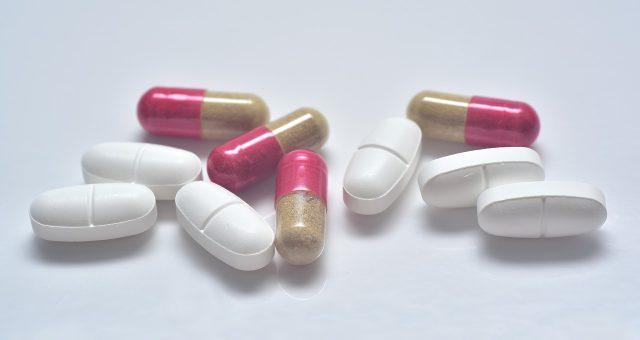
On October 1, 2021, the drug varenicline, commonly sold under the name Champix, was added to the World Health Organization's Essential Medicines List. This anti-smoking medication is well-known for helping smokers overcome cravings for cigarettes. However, despite being considered highly effective, it can also cause moderate to severe psychological side effects, ranging from terrifying nightmares to suicidal thoughts.
After multiple reports of such disturbances, the US Food and Drug Administration (FDA) issued the most severe warning for the drug, causing the sales of Valeni-cline to decrease from $846 million in 2008 to $671 million last year.
In order to overcome this decline, Pfizer, the manufacturer of the drug, has invested heavily in advertising and resolving lawsuits related to the medication. Additionally, the pharmaceutical company has released data retrieved from a study that allegedly proves that consuming Valenicline does not have a direct link to experiencing psychological disorders.
Subsequently, after refusing to lift the warning in 2014, the FDA recently decided to change their stance and abandon the warning. The agency has requested the listing of side effects associated with the drug, and has established a requirement that the label specify that varenicline is more effective than other smoking cessation therapies.
Vonnicron stock recall
Meanwhile, in June of last year, Pfizer was forced to halt distribution of Valsartan after discovering increased levels of nitrosamine in the pills and recalled some of its stock. However, in the following month, the US Food and Drug Administration announced that it would temporarily allow some manufacturers to distribute drugs containing carcinogens below a temporary limit of 185 nanograms per day until impurities could be eliminated or reduced to acceptable levels.
Disclaimer: 1. The content of this article is compiled from third-party information and is only intended for industry exchange and learning purposes. 2. This article does not represent the views of 2FIRSTS, and 2FIRSTS is unable to confirm the authenticity and accuracy of the content. The compilation of this article is only intended for industry exchange and research. 3. Due to the limitations of the compilation level, the compiled article may not express the same meaning as the original article. Please refer to the original article for accuracy. 4. For any domestic, Hong Kong, Macao, Taiwan, and foreign statements and positions, 2FIRSTS fully aligns with the Chinese government. 5. The copyright of the information compiled belongs to the original media and author. If there is any infringement, please contact us to delete it.
Disclaimer
This article is provided solely for professional research, industry discussion, and informational purposes. Any references to brands, companies, products, technologies, or policies are made for factual reporting and analytical purposes only, and do not constitute endorsement, recommendation, promotion, or advertising by 2Firsts.
Nicotine-containing products, including but not limited to cigarettes, e-cigarettes, heated tobacco products, and nicotine pouches, carry significant health risks. Readers are responsible for complying with all applicable laws and regulations in their respective jurisdictions, including age restrictions and access limitations.
The information contained in this article should not be regarded as investment, legal, medical, regulatory, or commercial advice. While 2Firsts strives to ensure the accuracy and reliability of its content, it does not assume liability for any direct or indirect loss arising from errors, omissions, inaccuracies, or reliance on the information contained herein.
This article is not intended for individuals below the legal age for accessing tobacco or nicotine-related information in their jurisdiction.
Copyright Notice
This article is either original content produced by 2Firsts or content reproduced, translated, summarized, or adapted from third-party sources with attribution where applicable. The intellectual property rights of the original content remain with 2Firsts or the respective original rights holders.
No individual or organization may copy, reproduce, distribute, republish, modify, translate, or otherwise use this content without prior authorization. Any unauthorized use may result in legal action.
For copyright-related inquiries, corrections, or removal requests, please contact: info@2firsts.com.
AI-Assisted Translation and Editing Notice
Portions of this article may have been translated, edited, or reviewed with the assistance of artificial intelligence tools to improve efficiency and readability. Due to the limitations of AI-assisted translation and editing, discrepancies, omissions, or inaccuracies may exist when compared with the original source.
Where applicable, readers are advised to refer to the original source for the most complete and accurate information. If you identify any errors or believe that any content infringes upon your rights, please contact us at info@2firsts.com, and we will review and address the matter promptly.