Cigarettes were once the easiest thing in the world to casually discard.
Every year, trillions of cigarette butts are discarded onto our streets, parks, and beaches. The Ocean Conservancy estimates that cigarette butts make up 25% of the total trash collected, more than double the amount of any other type of litter. It is estimated that 1.69 billion pounds of cigarette butts become waste globally each year.
Although some smokers may believe that their cigarette butts will eventually decompose, it actually takes several decades for them to do so. Cigarette filters are not made of harmless cotton; they are made of cellulose acetate and approximately 12,000 non-biodegradable plastic fibers.
The chemicals in a single cigarette butt can contaminate hundreds of gallons of water and can also be dangerous, causing fatal fires that burn hundreds of acres of land each year. In recent years, however, there has been a significant shift with many smokers turning to e-cigarettes, largely due to the convenience of disposable e-cigarettes.
In fact, disposable electronic cigarettes appear to be taking over the industry as they are the simplest and most user-friendly e-cigarette devices on the market. However, in this process, we have created a new environmental hazard for which there is currently no easy solution.
Among all e-cigarettes in the market, there is none more popular than disposable e-cigarettes, especially among young people.
More than half (54%) of young e-cigarette users have tried disposable e-cigarettes, according to the 2021 National Youth Tobacco Survey. This data was also confirmed by the 2020 Tobacco and Health Population Assessment Study. Among young people aged 18-24 who reported using e-cigarette products in the past 30 days, 38% have used disposable e-cigarettes, while among those over 25, the proportion is 17%.
At the UK Vaping Expo in May 2022, almost every vendor presented a variety of disposable e-cigarettes. Many of these were new brands taking advantage of the trend, alongside established companies such as Innokin, which introduced 10 different flavors of new disposable e-cigarettes.
Dimitris Agrafiotis, the Executive Director of the Smoke-free Association of Tennessee and Brand Ambassador/Designer for Innokin Technology, stated that disposable e-cigarettes are undoubtedly the best-selling products within the category of smoke-free electronic cigarettes.
According to Agrafiotis, disposable e-cigarettes have attracted impulsive buyers at various sales points as well as new users who enjoy the convenience of the product. They can be purchased almost anywhere that cigarettes are sold, and can be easily opened and used, making them a perfect solution for beginners.
He said, "In my experience, smokers who quit using cigarettes often use disposable e-cigarettes when they do not want to carry their normal equipment with them, such as during a lavish dinner or when they need to be more independent.
In the past few years, the technology behind disposable electronic cigarettes has been continually improving. Most electronic cigarettes now have a capacity that can equate to around 400 puffs. Some electronic cigarettes with larger batteries can even produce up to 5000 puffs.
Another major improvement is the use of automatic switches. When a smoker uses an electronic cigarette, this switch activates the device and heats the coils, providing a seamless vaping experience. Thanks to nicotine salts, disposable electronic cigarettes provide a smoother vaping experience. Although the nicotine content in most disposable electronic cigarettes is limited to 5 milligrams or less, smokers can satisfy their nicotine cravings without experiencing any throat irritation or disturbance to the taste experience.
Speaking of taste, this is another advantage of disposable e-cigarettes that surpasses rechargeable e-cigarette devices. Manufacturers typically add sweeteners to disposable e-cigarettes to make them more popular in taste, without the concern of sweeteners clogging up and damaging the device. Once this happens, the disposable e-cigarette will be thrown away.
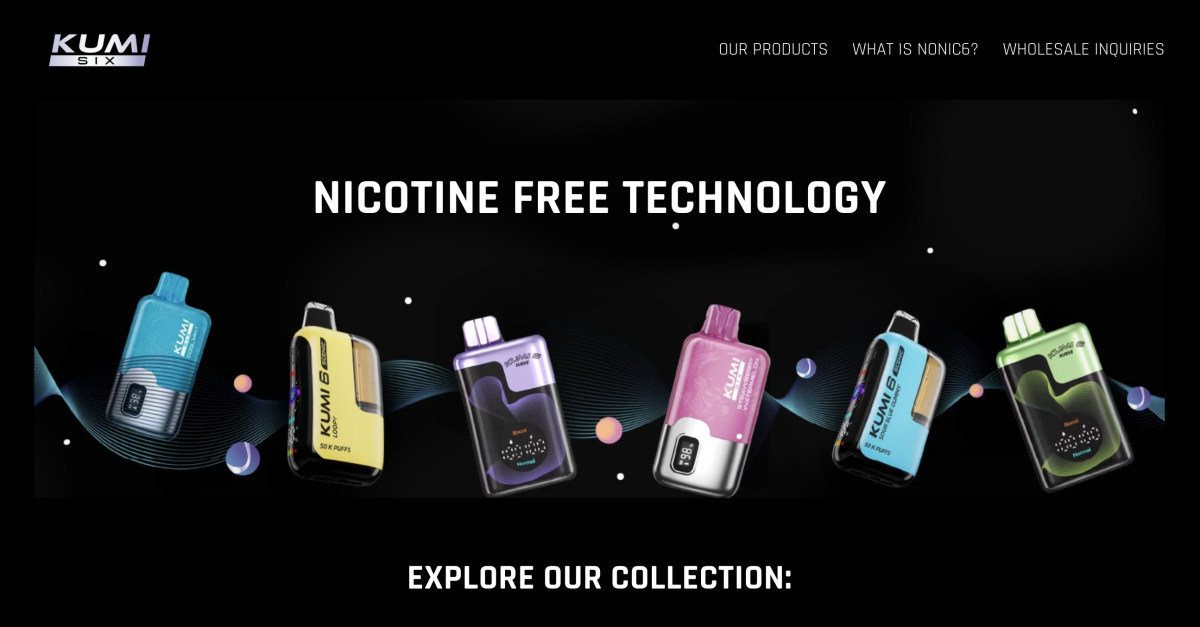
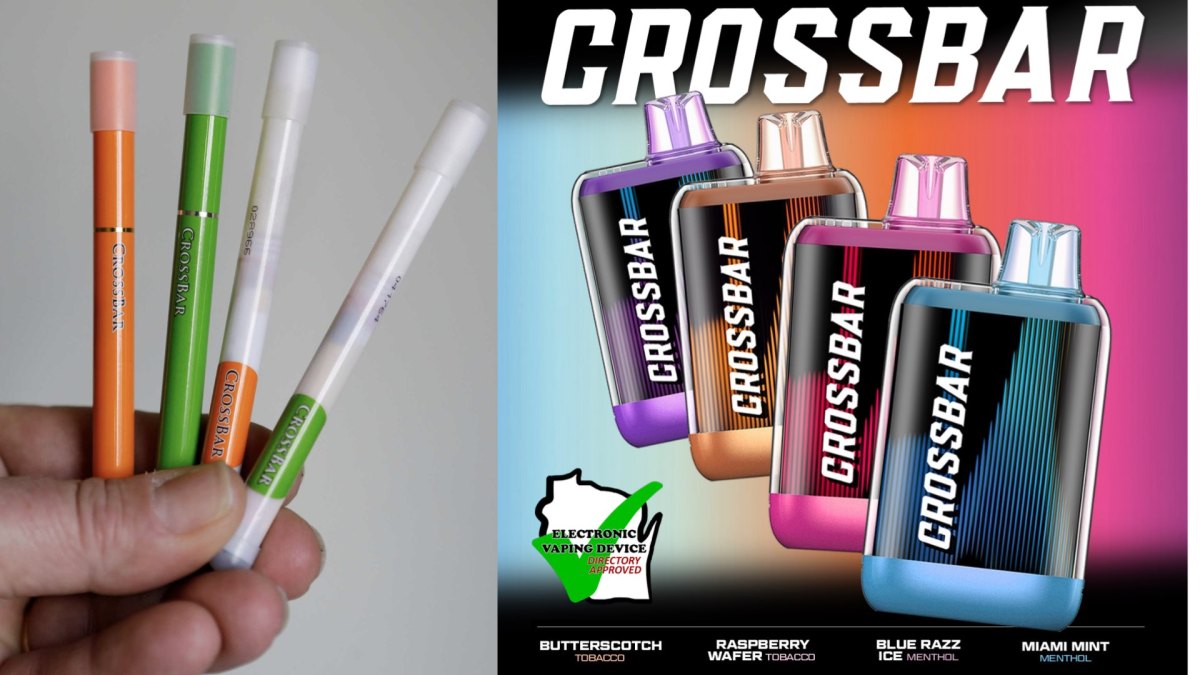
The range of flavors available for disposable electronic cigarettes is astonishing. As more and more manufacturers tap into the growth of this market, they are attracting smokers with interesting and often exotic flavors, such as Buddha's Hand citron and starfruit.
Although battery technology hasn't significantly improved, some brands are creating larger built-in batteries or rechargeable batteries while striving to increase the number of puffs generated. This is a step in the right direction to reduce battery waste.
Statement
This article is compiled from third-party information and is intended for industry professionals for sharing and learning purposes.
This article does not represent the views of 2FIRSTS and 2FIRSTS cannot confirm the truthfulness and accuracy of its content. The compilation of this article is only for industry communication and research purposes.
Due to limitations in the level of translation, the translated article may not fully reflect the original text. Please refer to the original text for accuracy.
2FIRSTS aligns completely with the Chinese government's stance and statements related to domestic, Hong Kong, Macao, Taiwan, and international matters.
Translation: The copyright of the compiled information belongs to the original media and author. If there is any infringement, please contact us to have it removed.
Disclaimer
This article is provided solely for professional research, industry discussion, and informational purposes. Any references to brands, companies, products, technologies, or policies are made for factual reporting and analytical purposes only, and do not constitute endorsement, recommendation, promotion, or advertising by 2Firsts.
Nicotine-containing products, including but not limited to cigarettes, e-cigarettes, heated tobacco products, and nicotine pouches, carry significant health risks. Readers are responsible for complying with all applicable laws and regulations in their respective jurisdictions, including age restrictions and access limitations.
The information contained in this article should not be regarded as investment, legal, medical, regulatory, or commercial advice. While 2Firsts strives to ensure the accuracy and reliability of its content, it does not assume liability for any direct or indirect loss arising from errors, omissions, inaccuracies, or reliance on the information contained herein.
This article is not intended for individuals below the legal age for accessing tobacco or nicotine-related information in their jurisdiction.
Copyright Notice
This article is either original content produced by 2Firsts or content reproduced, translated, summarized, or adapted from third-party sources with attribution where applicable. The intellectual property rights of the original content remain with 2Firsts or the respective original rights holders.
No individual or organization may copy, reproduce, distribute, republish, modify, translate, or otherwise use this content without prior authorization. Any unauthorized use may result in legal action.
For copyright-related inquiries, corrections, or removal requests, please contact: info@2firsts.com.
AI-Assisted Translation and Editing Notice
Portions of this article may have been translated, edited, or reviewed with the assistance of artificial intelligence tools to improve efficiency and readability. Due to the limitations of AI-assisted translation and editing, discrepancies, omissions, or inaccuracies may exist when compared with the original source.
Where applicable, readers are advised to refer to the original source for the most complete and accurate information. If you identify any errors or believe that any content infringes upon your rights, please contact us at info@2firsts.com, and we will review and address the matter promptly.