Key Takeaways
- Position: TobaccOFF NOW! supports tighter DTI regulation but calls for a total ban on vapes and novel tobacco products
- Rationale: the group says targeting open pods and e-liquids alone could create a “behavioral loophole”
- Context: the group links its call to DOH’s Nov. 2025 push for stronger measures
- Policy step: DTI released a draft DAO proposing a ban on vape open pods and e-liquids
- Consultation: DTI is seeking feedback from stakeholders and consumers due to health and safety concerns
2Firsts, Fen 10 2026
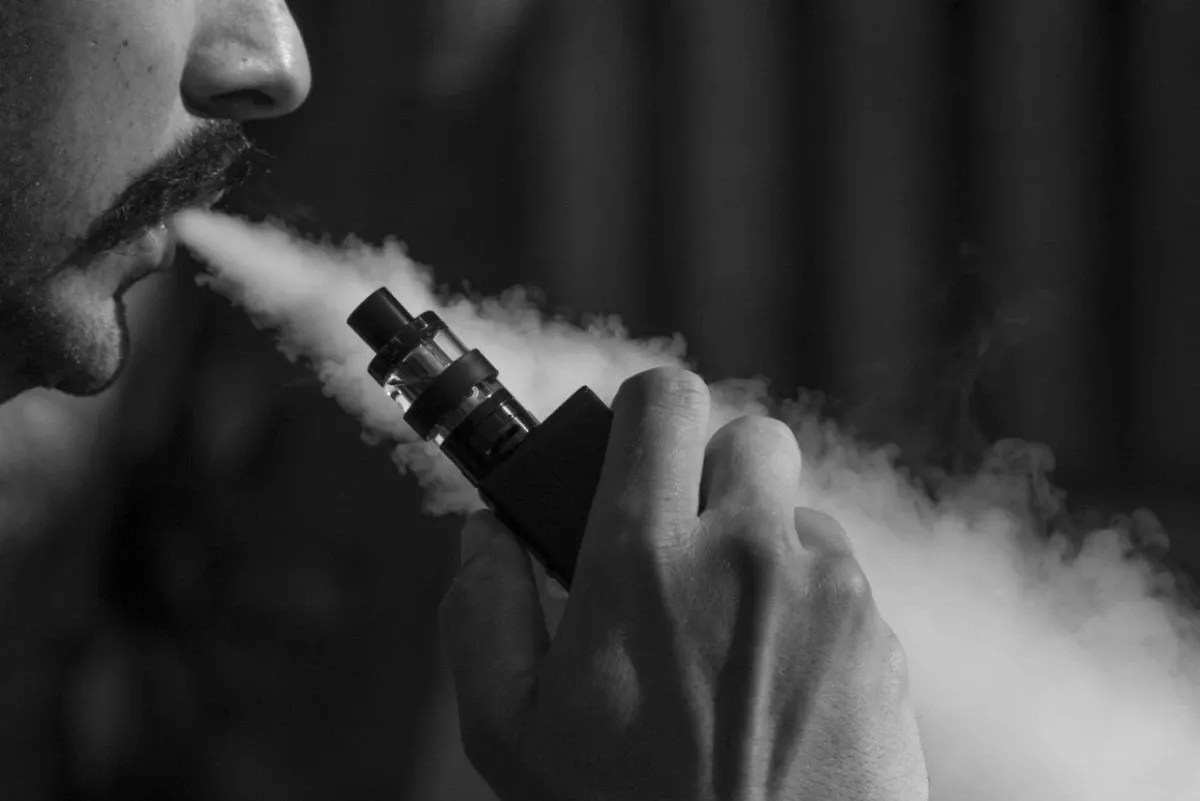
According to Manila Bulletin, a health advocacy group said on Tuesday, Feb. 10 that it welcomed the Department of Trade and Industry’s (DTI) proposed move to restrict harmful vape products to protect young people, but stressed that only a total ban on all vaping and novel tobacco products would effectively safeguard public health.
The report says Vonn Tanchuan, campaign lead of the TobaccOFF NOW! Movement, said the group supports tighter regulation but warned that partial restrictions could fall short of curbing nicotine use, particularly among the youth. He said the group welcomes DTI’s intention to restrict harmful vape products, but maintains that “the only definitive way to safeguard public health is through a total ban on vapes (as suggested by DOH last November 2025), along with cigarettes, heated tobacco products (HTPs), and nicotine pouches.”
The report says the group cautioned that limiting regulations to certain vape products, such as open pods and e-liquids, could create what it described as a “dangerous behavioral loophole,” allowing users—especially youth—to migrate to disposable or closed-system alternatives rather than quitting entirely.
The report adds that the TobaccOFF NOW! Movement urged the government to adopt a comprehensive approach covering all forms of novel tobacco products to prevent what it described as fragmented regulations that fail to address nicotine dependence. Tanchuan said the call echoes a proposal earlier raised by the Department of Health, which last year pushed for stronger measures against vaping and other emerging tobacco products amid concerns over public health impacts.
The report also says DTI earlier released a draft department administrative order (DAO) proposing a ban on vape open pods and e-liquids, and opened the proposed measure for public consultation, seeking feedback from stakeholders and consumers due to health and safety concerns.
Image Source: Manila Bulletin
We welcome news tips, article submissions, interview requests, or comments on this piece.
Please contact us at info@2firsts.com, or reach out to Alan Zhao, CEO of 2Firsts, on LinkedIn
Notice
1. This article is intended solely for professional research purposes related to industry, technology, and policy. Any references to brands or products are made purely for objective description and do not constitute any form of endorsement, recommendation, or promotion by 2Firsts.
2. The use of nicotine-containing products — including, but not limited to, cigarettes, e-cigarettes, nicotine pouchand heated tobacco products — carries significant health risks. Users are responsible for complying with all applicable laws and regulations in their respective jurisdictions.
3. This article is not intended to serve as the basis for any investment decisions or financial advice. 2Firsts assumes no direct or indirect liability for any inaccuracies or errors in the content.
4. Access to this article is strictly prohibited for individuals below the legal age in their jurisdiction.
Copyright
This article is either an original work created by 2Firsts or a reproduction from third-party sources with proper attribution. All copyrights and usage rights belong to 2Firsts or the original content provider. Unauthorized reproduction, distribution, or any other form of unauthorized use by any individual or organization is strictly prohibited. Violators will be held legally accountable.
For copyright-related inquiries, please contact: info@2firsts.com
AI Assistance Disclaimer
This article may have been enhanced using AI tools to improve translation and editorial efficiency. However, due to technical limitations, inaccuracies may occur. Readers are encouraged to refer to the cited sources for the most accurate information.
We welcome any corrections or feedback. Please contact us at: info@2firsts.com